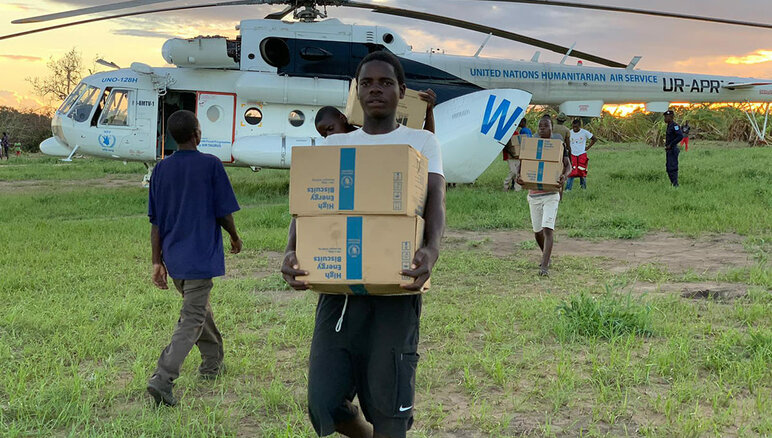
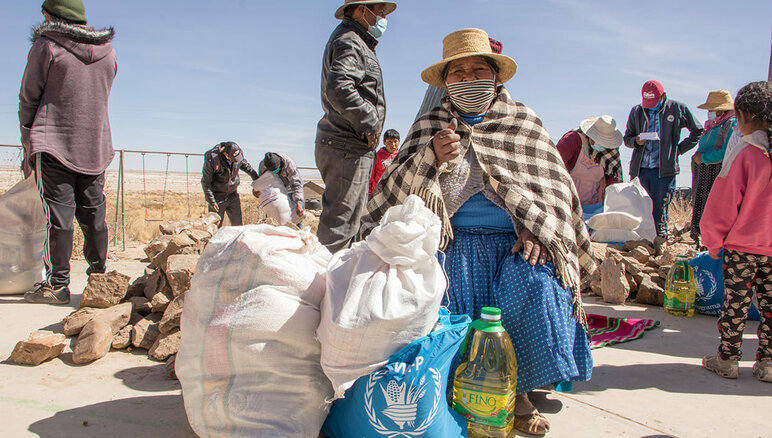
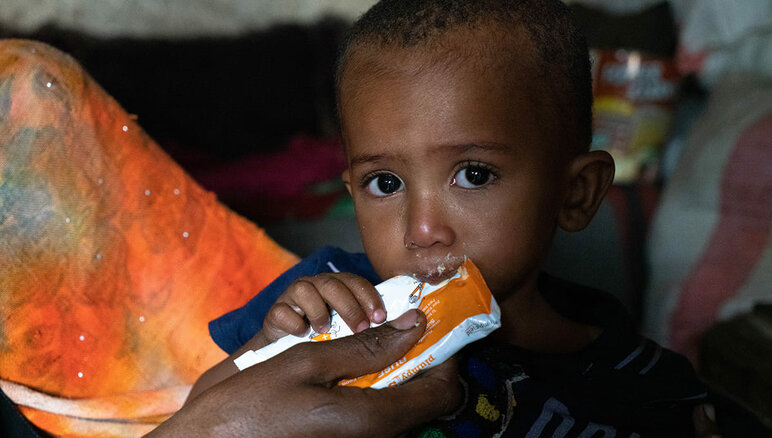
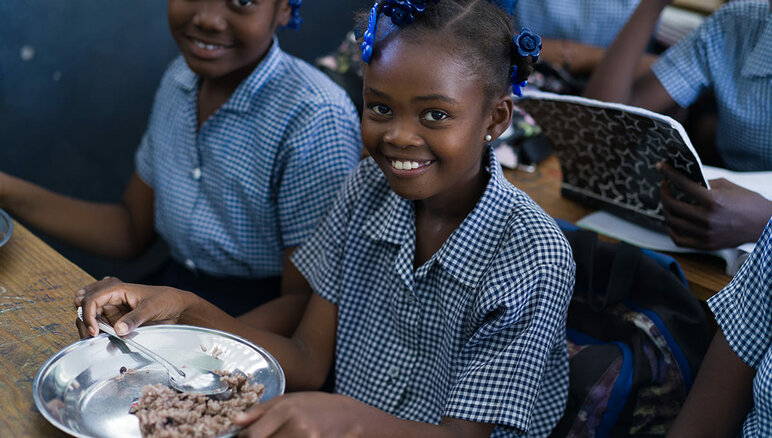
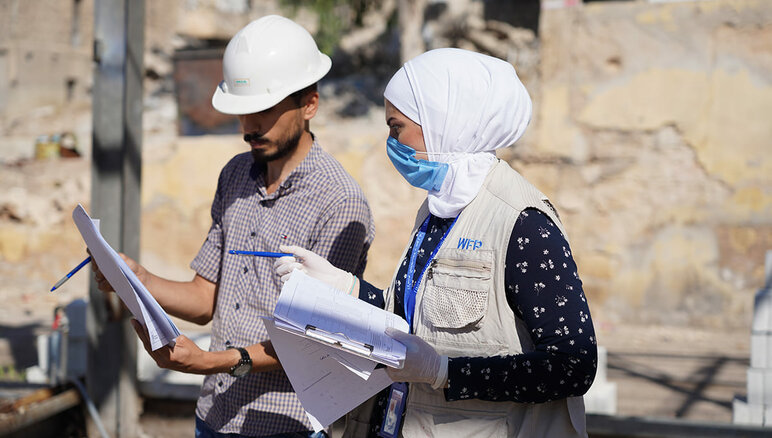
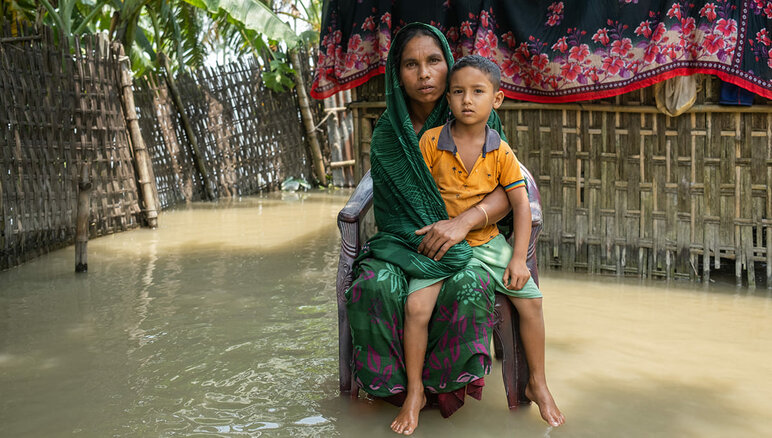
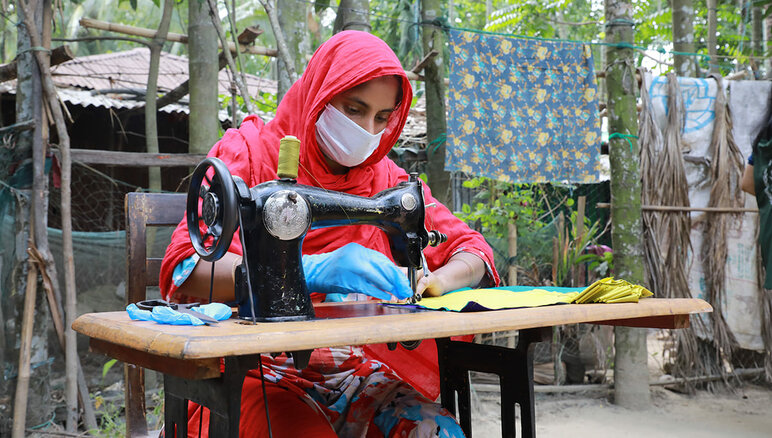
As we mark World Food Day, we see no respite from the challenge the world faces to address urgent hunger needs. Natural disasters, wars, economic fluctuations, and the continuing impact of high food prices all make hunger an issue for a significant proportion of the global population.
WFP's mission of putting food in the hands of the hungry depends on the support of more than 100 nations. Consistently, the U.S. has been our biggest single donor, and 2009 has been no different.
This commitment to the urgently hungry during a time of multiple crises has been vigorously reaffirmed by the Obama Administration and the U.S. Congress. As U.S. Secretary of State Hillary Clinton said in announcing the plan of action for global food security in New York last month: "We'll maintain our deep commitment to emergency food assistance to answer the urgent cry for help when tragedies and disasters take their toll."
It is this level of firm commitment that allows WFP to carry out its life-saving work, addressing urgent hunger needs in regions like the Horn of Africa, Central America, and countries like Pakistan, Afghanistan, Sudan, Yemen, or the Philippines, where floods have devastated so many lives in recent weeks.
Last year, the United States provided the largest share of WFP's funding in a year when we raised more than US$5 billion globally – a record amount in a year when hunger needs were increased due to the impact of the high food price crisis.
So far this year, the United States has donated more than US$1 billion to WFP, helping us to feed hungry people across the world. More than a quarter of this amount has been used in Sudan alone, where WFP is feeding millions in Darfur. Hungry people in Ethiopia, Kenya, and the Democratic Republic of Congo have also reaped the benefit of U.S. donations to WFP.
Make no mistake, this generosity and commitment helps save millions of lives and I extend our profound gratitude.