
Thinking about donating to help end hunger? Your questions answered
What is the best charity to donate to?
There is no single “best” charity to donate to. The right choice depends on the cause you care about and the impact you want your donation to have. When choosing a charity, it can help to look at its experience, transparency, accountability and ability to reach people in crisis.
If you want to help tackle hunger, the United Nations World Food Programme (WFP) is the world’s largest and most experienced organization working in this area. WFP provides life-saving food assistance in emergencies and supports longer-term efforts to improve food security and resilience.
Why should I donate to help people facing hunger?
Hunger affects every aspect of a person's life. It can damage health, make it harder for children to learn, undermine livelihoods and leave families more vulnerable to future crises.
The effects can also reach far beyond individual households. When hunger becomes widespread, communities can struggle to recover from shocks, local economies can weaken, and more people may be forced to leave their homes in search of safety or opportunity.
Ultimately, supporting people facing hunger can help save lives in emergencies and give communities worldwide the chance to build more sustainable, self-reliant futures.
Why should I donate to WFP?
WFP has the scale, expertise and logistics capacity to respond to some of the world's largest emergencies. It has a huge global footprint and operates one of the world's largest humanitarian supply chains, moving food and other assistance by land, sea and air to reach people in some of the world's most challenging environments.
By working alongside governments, local communities and humanitarian partners, WFP can deliver assistance at scale while helping strengthen food security and resilience over the longer term.
Is WFP a legitimate and trustworthy organization?
Yes. WFP is part of the United Nations, serving as its food assistance agency, and was awarded the 2020 Nobel Peace Prize for its efforts to combat hunger and support peace in conflict-affected areas.
WFP publishes information about its funding, operations and results, helping donors understand how resources are used. This includes WFP publishing monthly financial and other data for all its operations, as a member of the International Aid Transparency Initiative.
WFP is governed by an Executive Board, which consists of 36 Member States and provides intergovernmental support, direction and supervision of its activities.
How does WFP use my donations?
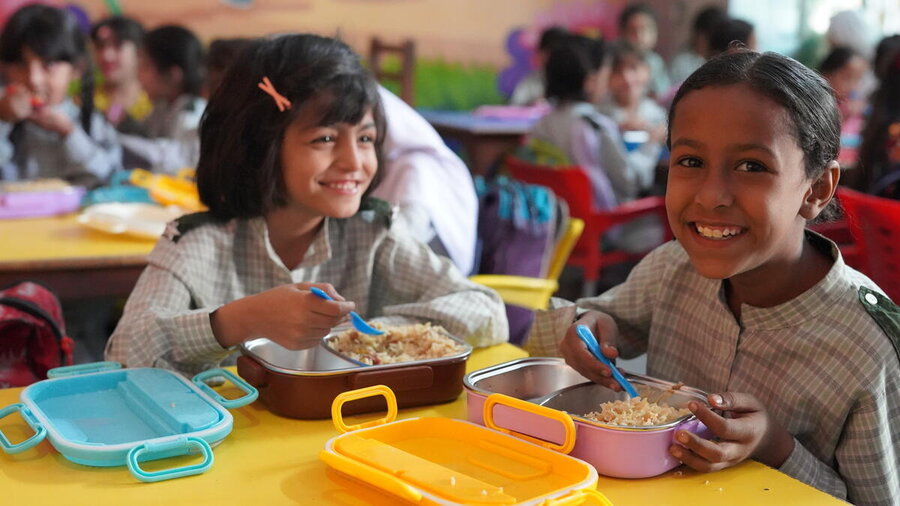
WFP uses donations to support programmes that help people facing hunger. Depending on the situation, this can include emergency food assistance, cash-based support, school meals, nutrition programmes and assistance that helps communities prepare for and recover from crises.
The type of assistance depends on local needs. In some places, WFP provides food directly. In others, it provides cash or vouchers so families can buy food locally.
WFP also publishes information on its funding and operations so donors can see how resources are used.
Can I choose where my donation goes?
Depending on how you donate to WFP, you may be able to support a specific emergency appeal or crisis.
If you do not choose a specific appeal, WFP can direct your donation to the countries, emergencies or programmes where support is most urgently needed. This helps WFP respond to changing humanitarian needs, including crises that may receive less public attention.
Donation options may vary depending on your country and the platform you use.
Why does WFP need public donations if it is part of the United Nations?
Although WFP is part of the United Nations, it does not receive a guaranteed UN budget for its humanitarian work.
WFP relies entirely on voluntary contributions from governments, companies, organizations and individuals. This means public donations help WFP respond when needs rise and funding is not enough to reach everyone who needs assistance.
Individual donations can provide emergency food rations, school meals and other forms of support for people facing hunger.
How much of my donation goes directly to helping people?
For every US$1 given by an individual donor to WFP, 64 cents goes directly to programmes supporting people facing hunger, while 28 cents supports fundraising activities that help WFP reach more donors and generate additional income for its work.
A further 2 cents is used to process the donation, and 6 cents help run WFP and its programmes.
Can a small donation really make a difference?
Yes. Small donations can make a real difference when combined with contributions from many other supporters.
Humanitarian assistance is often made possible by thousands of people giving what they can. Together, those contributions can help provide food assistance, school meals, nutrition support and emergency relief.
For WFP, individual donations help support programmes for people facing hunger around the world. WFP also runs ShareTheMeal, a mobile app that enables people to make small contributions which, together with donations from thousands of others, help support food assistance programmes around the world.
How many people can my donation help feed?
The impact of a donation depends on where WFP is working, local food prices and the type of assistance being provided.
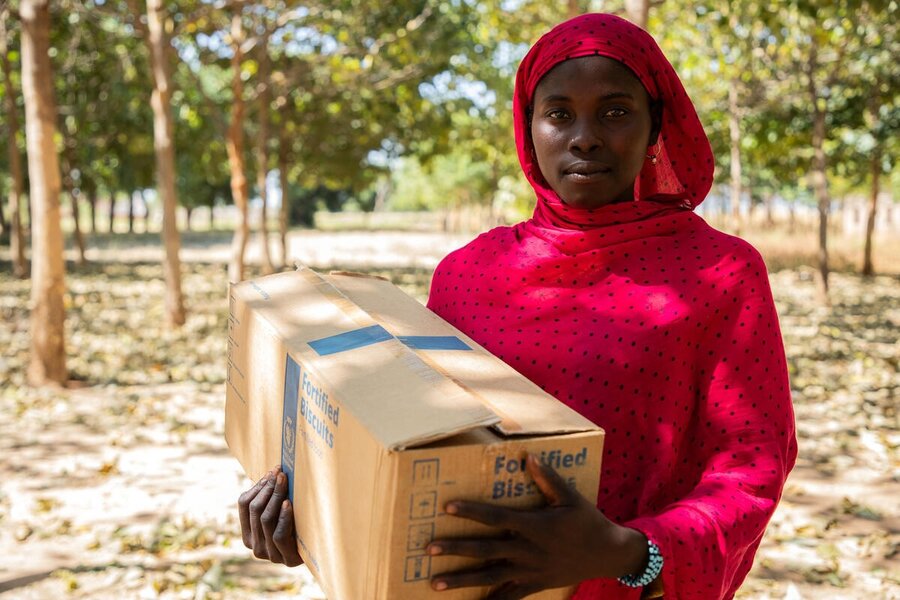
To help people understand the potential impact of their support, WFP provides examples on its donation pages. For example, a monthly donation of US$10 can provide 35 emergency meals each month for people suffering from hunger.
The exact number of people reached varies between countries and programmes, but every donation helps WFP provide food assistance and other support to people facing hunger.
Is it safe to donate to WFP online?
WFP uses secure donation platforms and other safeguards designed to protect donors' personal and financial information.
As with any online transaction, no organization can guarantee the complete elimination of risk. However, donating through WFP's official channels helps ensure contributions are processed securely and directed towards humanitarian programmes supporting people facing hunger.
How quickly can my donation reach people in need?
When a crisis strikes, WFP is on the ground within 72 hours to assess critical food needs and begin scaling up assistance. This rapid response is possible because WFP has staff, partners and logistics networks operating around the world and is often already working in countries affected by an emergency. Donations can therefore support people as quickly as circumstances allow.