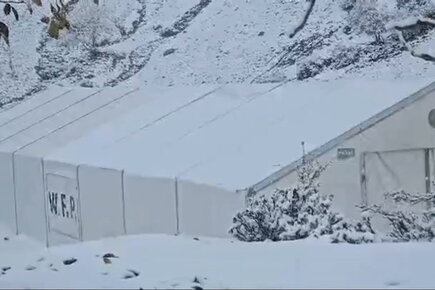
Afghanistan remains one of the world’s most severe hunger crises with one in three Afghans—17.4 million people in urgent need of food assistance. Due to unprecedented funding shortfalls, this winter for the first time in decades, WFP is unable to mount a significant response, leaving millions without the support that once curbed hunger and malnutrition.
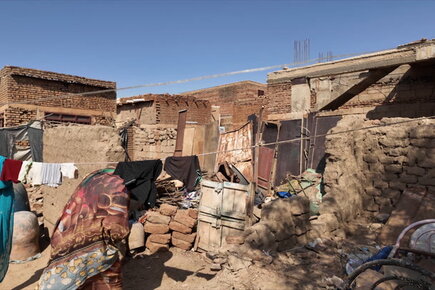
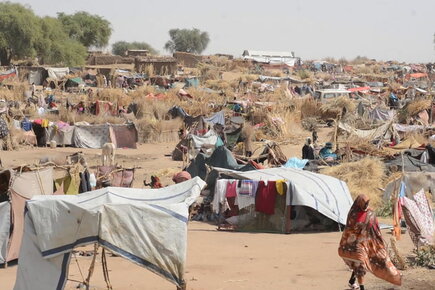
Sudan’s hunger crisis is man-made and driven by conflict. Over two and a half years of war have left 21.2 million people facing acute hunger and two areas confirmed in famine, but in areas where conflict has subsided, WFP’s reach has expanded and hunger has declined.
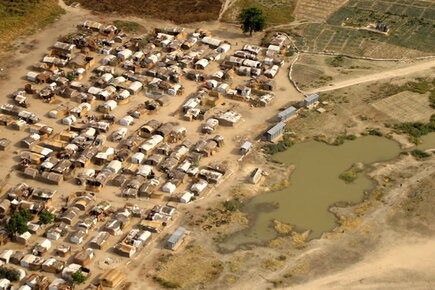
Since the start of 2025 there has been a spike in insurgent attacks in Northern Nigeria, fueling the biggest hunger crisis on record and threatening regional stability.
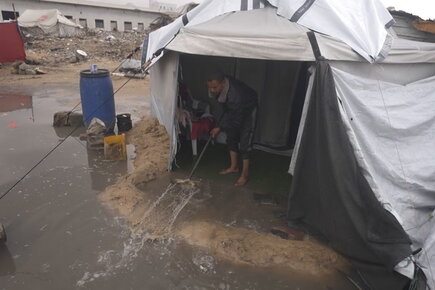
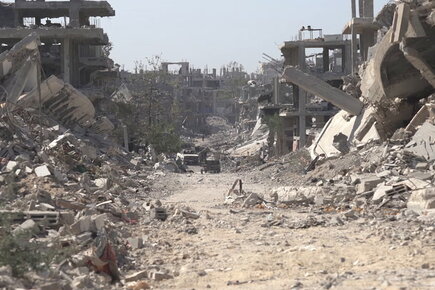
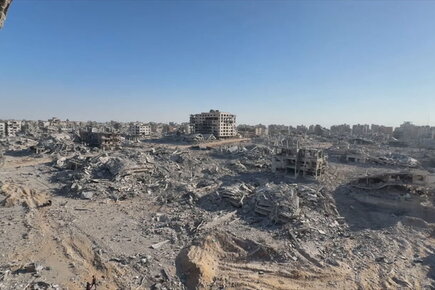
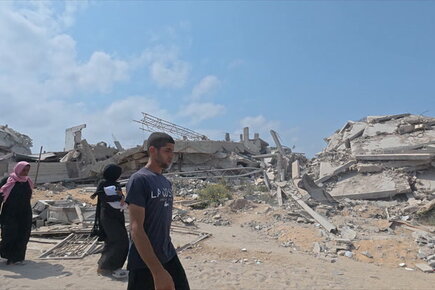
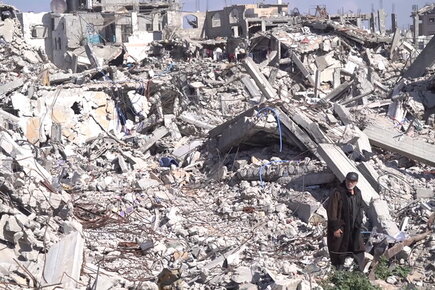
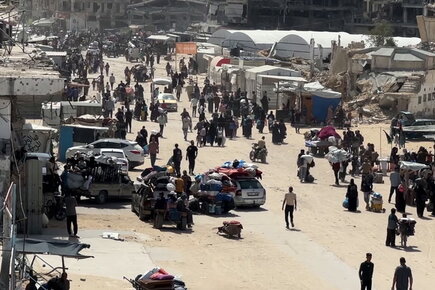
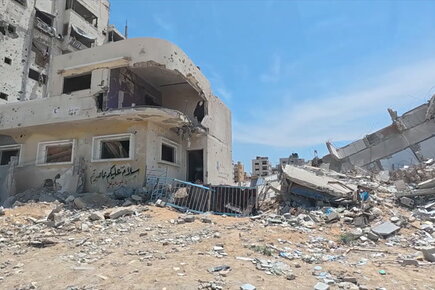
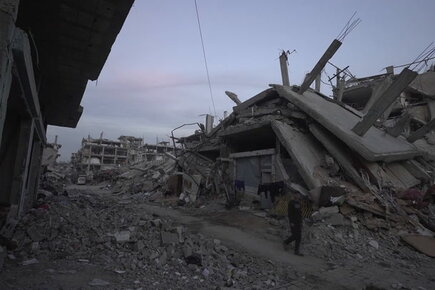
Heavy rain and falling temperatures are making life even harder for families living in tents and damaged buildings in Gaza. Flood waters have spoiled or washed away the food and supplies many families were storing. Overflowing sewage increases the risk of disease.
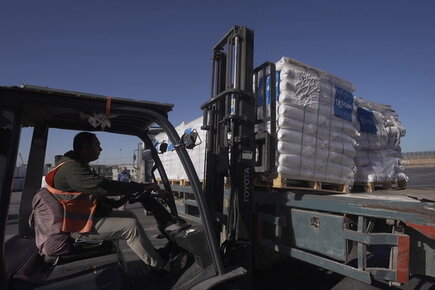
Three weeks into the ceasefire, the UN World Food Programme has distributed food parcels to one million people in the Gaza Strip as part of a broad operation to push back hunger in the war-torn territory. But to continue expanding operations to the level required, humanitarian teams need more border crossings to be opened and more access to key roads inside Gaza.
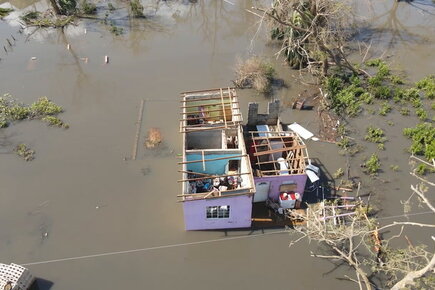
As the full extent of Hurricane Melissa’s destruction emerges, the United Nations World Food Programme (WFP) is intensifying relief efforts in the hardest-hit areas to support local authorities. Almost 6 million people across Jamaica, Cuba, and Haiti have been impacted by the storm.
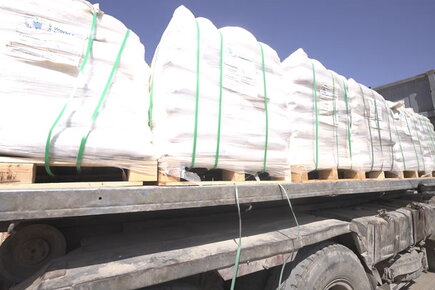
Since the ceasefire began (11 October), WFP has dispatched more than 530 trucks into Gaza to support bakeries, nutrition programmes and general food distributions.
WFP has begun scaling up its operations in Gaza, as the ceasefire paves the way for humanitarian agencies to reach vulnerable populations that have been cut off from vital aid.
The ceasefire will allow WFP to get food into Gaza at scale and to make sure it reaches everyone who needs it. WFP is on the ground, distributing in areas it can – and ready to scale up as safe access become possible in other areas. At the moment, practically 50% of population has poor access to food.
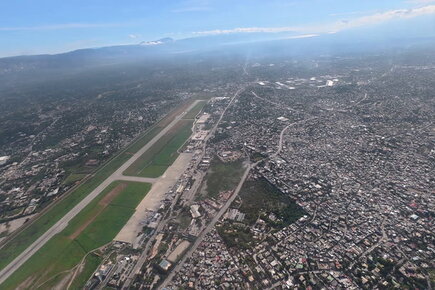
The United Nations World Food Programme (WFP) warned today that rising violence by armed groups in Haiti’s capital is restricting humanitarian access and pushing families deeper into hunger as extreme funding shortfalls force WFP to slash rations and suspend programmes.
More than half a million people in Gaza are trapped in famine, marked by widespread starvation, destitution and preventable deaths, according to a new Integrated Food Security Phase Classification (IPC) analysis released today. Famine conditions are projected to spread from Gaza Governorate to Deir Al Balah and Khan Younis Governorates in the coming weeks.
The UN World Food Programme is distributing urgently needed food assistance to families displaced by recent clashes in southern Syria’s Sweida province while also continuing to provide a broad range of assistance across the country, including to Syrians returning home after a decade of conflict.
WFP has reached over two million people with life-saving assistance in South Sudan so far this year. However, a severe funding shortfall threatens ongoing support, placing millions at risk of losing aid.
WFP began airdropping emergency food assistance to thousands of families in South Sudan’s Upper Nile State, where surging conflict since March has forced families from their homes and pushed some communities to the brink of famine and an estimated 50,000 asylum seekers across the border into Ethiopia.
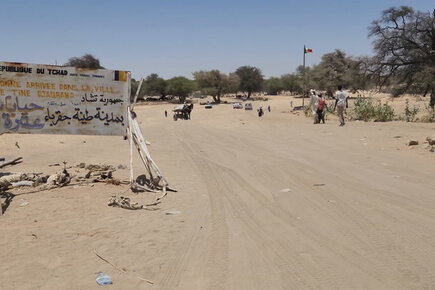
Today WFP warned that millions of Sudanese refugees who have fled to neighbouring countries risk plunging deeper into hunger and malnutrition as critical funding shortages force drastic cuts to life saving food assistance.
For the outlook period from June to October 2025, the Food and Agriculture Organization of the United Nations (FAO) and the World Food Programme (WFP) warn that acute food insecurity is likely to worsen across 13 countries and territories identified as hotspots and are issuing an early warning for urgent humanitarian action in these hotspots.
After nearly 80 days of total blockade of humanitarian assistance, families in Palestine are seeing glimmers of hope as they face extreme hunger and risk of starvation. A handful of bakeries are now operational in south and central Gaza; we need far more up and running across Gaza, for us to push back hunger.
While some aid is finally beginning to reach those in desperate need, the pace is far too slow — WFP urgently needs expedited permissions and unrestricted access to collect and distribute food. Families are hanging on by a thread, and conditions on the ground are horrific.
The entire Gaza Strip is at high risk of famine as fighting has surged again, border crossings are still closed, and food is dangerously scarce. Hunger and malnutrition have intensified sharply since all aid was blocked from entering on 2 March, reversing the clear humanitarian gains seen during the ceasefire earlier this year.
WFP reports that food and nutrition distributions for over 220,000 people have started in Tawila, North Darfur – where hundreds of thousands are seeking refuge from horrific violence in and around El Fasher and Zamzam IDP Camp. The upcoming rainy season and funding shortfalls could threaten recent progress in turning the tide of famine – at a time when WFP urgently needs to be scaling up to pre-stock food before roads become flooded and impassable, and ahead of the lean season when hunger is expected to surge.
Today, WFP delivered the last remaining food stocks to hot meals kitchens it supports in the Gaza Strip. These kitchens will run out of ingredients by the end of the month. No humanitarian or commercial supplies have entered Gaza for more than seven weeks as all main border crossing points remain closed. This is the longest closure the Gaza Strip has ever faced, exacerbating already fragile markets and food systems.
WFP is urgently calling for unimpeded access to immediately preposition food assistance across key locations in Sudan, as deliberate obstruction by parties on the ground and the approaching rainy season threaten to render vast areas of the country inaccessible by road. Without swift action, WFP warns that millions of vulnerable people could be cut off from life-saving aid, placing fragile humanitarian gains at serious risk.
Within 48 hours of the powerful earthquake that struck central Myanmar on the 28th of April, the United Nations World Food Programme (WFP) began emergency food distributions to affected communities. WFP has so far reached 15,000 earthquake survivors in four impacted states and is scaling up efforts to assist 850,000 affected people.
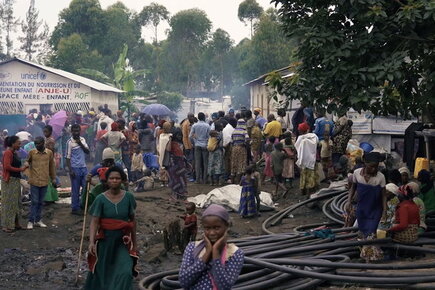
The United Nations World Food Programme (WFP) today announced that new data from the latest Integrated Food Security Phase Classification (IPC) analysis reveals the highest number ever recorded of acutely food insecure populations in the Democratic Republic of the Congo (DRC).
The UN World Food Programme (WFP) has rapidly mobilized additional assistance in Burundi to support the large influx of families fleeing violence in the eastern Democratic Republic of the Congo (DRC) which has placed a significant strain on WFP food assistance.