
Food security vs food insecurity: Definitions, meaning and real-world examples
Food is part of everyday life. For some people, a daily meal is a certainty and deciding what to eat is a matter of preference. But for millions of others, that certainty does not exist, and the question is whether there will be enough food at all. Will food prices rise again? Will there be money left after paying rent, school fees or medical bills? These are everyday concerns for millions of people around the world.
Their experience is often described using terms such as food security, food insecurity and hunger. While closely related, these terms mean different things. Understanding the difference is essential to understanding why people struggle to access food and what it takes to end global hunger.
Food security vs food insecurity at a glance
These concepts can seem abstract, but they shape everyday decisions about what people eat, whether they can afford food and how confident they feel about their next meal.
The real-life examples below show how food security and food insecurity can look at different levels, from households and communities to entire countries. They also highlight an important distinction: a country can produce enough food overall while millions of people still struggle to feed themselves.
Food security |
Food insecurity |
| Country level: The country maintains stable food supplies, functioning markets and effective social protection systems. Food remains broadly accessible even during economic challenges. | Country level: Conflict disrupts farming, trade and supply chains. Drought reduces crop production, causing shortages and higher prices. |
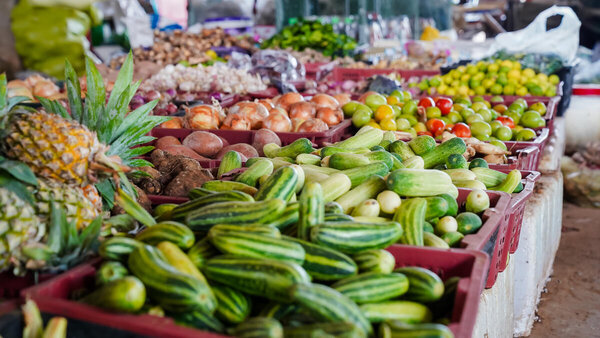
| Community level: Local markets are well stocked, food remains affordable and people can reliably access the foods they need. | Community level: A poor harvest, economic shock or supply disruption causes food prices to rise sharply, making it harder for families to afford basic food. |
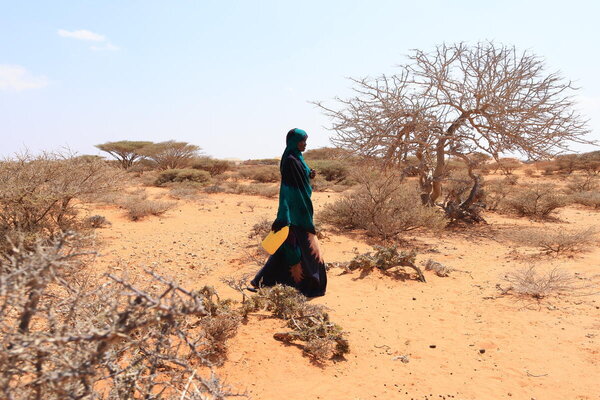
| Household-level: A family has a stable income, access to clean water and a nearby market where food is available and affordable. They can buy or grow enough nutritious food throughout the year and plan with confidence. | Household level: A family lives in an area affected by conflict, drought or rising food prices. Food may still be available in local markets, but it is increasingly difficult to afford or access, forcing them to skip meals or buy less nutritious food. |
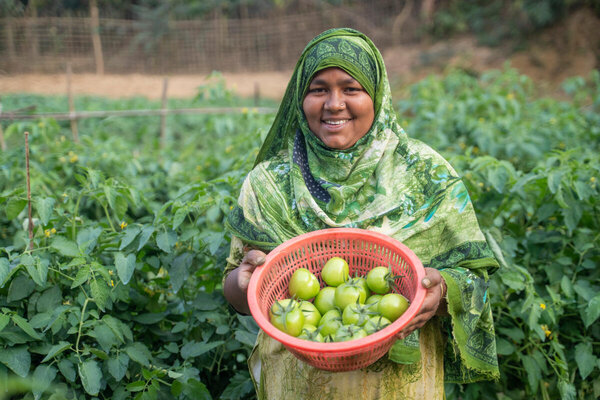
What is food security?
Food security means people can consistently access enough safe, nutritious and affordable food to live healthy, active lives. In simple terms, food security means more than having enough food today. It means knowing you'll be able to put healthy meals on the table tomorrow, next month and next year.
The internationally recognized definition, adopted at the 1996 World Food Summit, states that food security exists when:
All people, at all times, have physical and economic access to sufficient, safe and nutritious food that meets their dietary needs and food preferences for an active and healthy life.
Achieving food security depends on four interconnected conditions, often called the four pillars of food security.
The four pillars of food security
Food security exists only when all four pillars are in place. If one fails, people's ability to access food can quickly be affected.
-
Availability: Is there enough food?
Food must exist in sufficient quantities. This depends on farmers producing crops and livestock, fisheries and food producers supplying markets and the existence of reliable supply chains. For example, a drought that destroys harvests or a conflict that disrupts food production can reduce food availability.
-
Access: Can people obtain food?
Even when food is available, people must be able to obtain it. Access includes both economic access – having enough money to buy food – and physical access, such as being able to reach markets safely. For example, supermarket shelves may be full, but a family that has lost its income or is cut off by flooding may still be food insecure if it cannot access the food that is available.
-
Utilization: Do people get the nutrition they need from the food they eat?
Eating enough food is only part of the picture. People also need a nutritious diet, clean water, healthcare and safe food preparation practices so their bodies can absorb and use nutrients effectively. A child who eats enough calories but lacks essential vitamins and minerals, or who regularly drinks unsafe water, may still experience poor nutrition.
-
Stability: Will food remain available and accessible over time?
Food security isn't about today alone. People need reliable access to food throughout the year, not just during good harvests or periods of economic stability. Temporary shocks such as conflict, drought, floods, inflation, unemployment or sudden price increases can all disrupt food security, even for families who were previously able to meet their food needs.
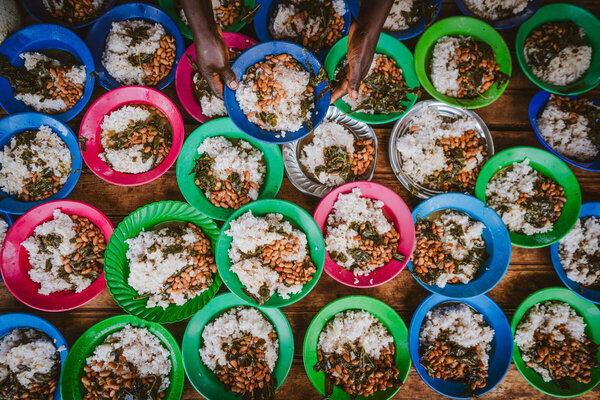
What is food insecurity?
Most people are familiar with the term “hunger” – the physical feeling that comes from not having enough to eat. Food insecurity is broader. It describes the economic and social barriers that limit access to food when one or more of the pillars of food security breaks down.
Food insecurity exists on a spectrum, ranging from uncertainty about future meals to severe hunger and, in the most extreme cases, starvation. For some, food insecurity begins with uncertainty about where their next meal will come from. A family may worry about whether they can afford groceries next week. A farmer may lose a harvest after months of drought. As conditions worsen, families may switch to cheaper foods, reduce portion sizes or skip meals.
For many, food insecurity means difficult trade-offs – buying food or medicine, paying school fees or buying groceries, repairing a roof or putting enough food on the table. At its most severe, people run out of food entirely and may go days without eating, putting their health and survival at immediate risk.
Food insecurity can be temporary or long-lasting. Understanding what is driving it, and whether it results from a sudden shock or a persistent challenge, helps governments and humanitarian organizations identify who needs support and what type of assistance they need.
For this reason, food insecurity is often categorized as either acute or chronic.
Chronic food insecurity is long term. It often stems from persistent poverty, low income and limited livelihood opportunities. Unlike acute food insecurity, this is not driven by a sudden crisis. Instead, people lack the resources to meet their food needs over months or years.
Acute food insecurity occurs when a sudden shock pushes people into crisis. Conflict, drought, floods, displacement or economic collapse can rapidly leave families unable to feed themselves. Unlike chronic food insecurity, acute food insecurity is often immediate and life-threatening.
What causes food insecurity?
The three main drivers of food insecurity worldwide are:
- Conflict and insecurity
- Climate shocks, including droughts, floods and extreme weather
- Economic shocks, such as inflation, unemployment and rising food prices
But food insecurity is rarely caused by a single event. In reality, these drivers often overlap. A drought can destroy crops and push up food prices. Rising prices can make food unaffordable for families already struggling. Conflict can then disrupt markets and prevent supplies from reaching communities. Together, these pressures can quickly push vulnerable households into crisis.
Because the drivers of food insecurity are interconnected, the solutions must be too. Ending hunger requires both immediate action to save lives during crises and long-term investments that address the root causes of food insecurity and build resilience against future shocks.
Why food security matters
Food security touches every aspect of life. It is fundamental to human dignity and individual well-being, as well as broader societal outcomes. When people can reliably access food, children can grow and learn, adults can work and earn an income, and communities can build more resilient futures. When people are hungry, the effects can ripple through families, economies and entire countries. Malnutrition, displacement and other harmful coping strategies often follow, undermining health, livelihoods and opportunities for future generations.
That is why food security is not only a humanitarian concern. It is the foundation of healthy, productive and stable societies. Investing in food security is an investment in human potential, resilient communities and a more prosperous future for all.
Key takeaways
- Food security means people can consistently access enough safe, nutritious and affordable food to live healthy, active lives.
- Food insecurity isn't just about hunger. It ranges from worrying about your next meal to skipping meals, going days without food and, in the worst cases, starvation.
- Food insecurity is driven by many factors, including conflict, climate shocks, economic crises and poverty.
- Access to food shapes far more than nutrition. It affects health, education, livelihoods, stability and long-term development.
- Ending hunger requires both emergency assistance and long-term solutions that address root causes and build resilience.