
Yemen’s hunger crisis deepens quickly as conflict escalates
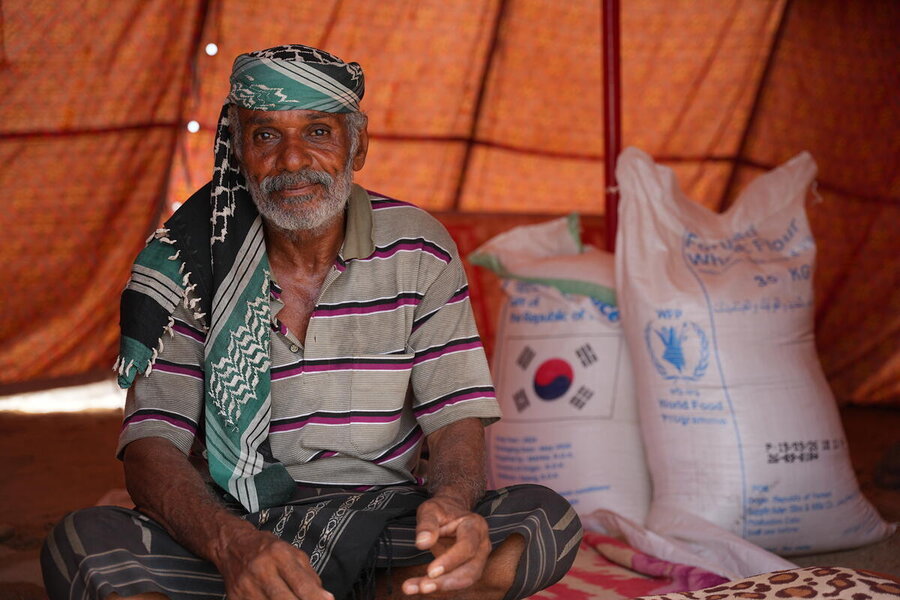
Hunger is accelerating rapidly across Yemen as conflict intensifies, pushing more people deeper into crisis and threatening consequences far beyond the country’s borders, the World Food Programme (WFP) has warned.
For families across Yemen, the deterioration is immediate, as conflict forces people from their homes, disrupts livelihoods and makes it harder to reach communities with assistance.
The sobering context was outlined by Matthew Hollingworth, WFP’s Assistant Executive Director for Programme Operations, at a United Nations briefing in Geneva on Friday (2 October). He also outlined how WFP is supporting those in need and hopes to scale up assistance.
Hollingworth started his address by highlighting that 73 UN personnel remain detained by Houthi de facto authorities, including 38 WFP colleagues. WFP joins the UN Secretary General António Guterres in calling for their immediate and unconditional release.
Turning to the hunger emergency, he said: “The impact of the escalation of the conflict over the last few weeks on the ability of Yemeni people to put food on the table has been immediate,” said Hollingworth.
“Our own monitoring in areas of Yemen where we can operate already shows that almost three out of four households are unable to meet their basic food needs today. That’s a record number for this year in just a few weeks.”
Higher prices are driving up hunger
Across Yemen, 18.3 million people face acute food insecurity. Some 2.2 million children aged under 5 are acutely malnourished, including 500,000 suffering from severe acute malnutrition – the most life-threatening form of malnutrition.
Higher prices are eroding families’ ability to buy the food they need, with Yemen’s heavy reliance on imported food leaving households highly exposed when insecurity disrupts markets, transport and commercial supply. Families with little or no financial cushion are forced to eat less, buy cheaper and less nutritious food, or go without.
Food is consistently among the most urgent need of the more than 150,000 people displaced in recent weeks.
“Our colleagues on the ground are seeing families arriving, especially in Lahj, outside Aden, and around Taiz city [further north], many after walking days without any water or food,” explained Hollingworth.
“Many of these families have had to flee the fighting for the second, third or even fourth time. And some are surviving largely on bread that they brought with them and a simple soup made from anything they can find, leaves, grass.”
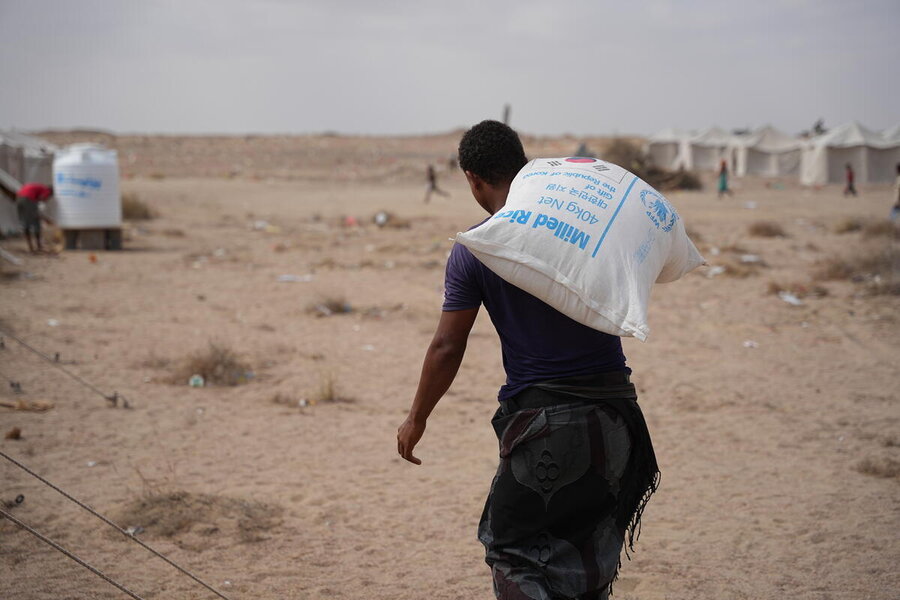
WFP is providing newly displaced families with emergency assistance and has already supported more than 70,000 people across Ta’iz and in Lahj.
In September, WFP reached more people with ready-to-eat food rations than in any other month in 2026, driven by critical emergency needs. Life-saving support to newly displaced families is happening as WFP continues to assist around 2.4 million people facing severe hunger across Government of Yemen areas.
We are also prepositioning stocks and could potentially reach up to 1.5 million people if the conflict intensifies. But escalating insecurity, restricted access and pressure on humanitarian resources are making an already difficult humanitarian operation even more challenging.
“We’re ready to scale up this emergency response,” said Hollingworth. “But we are finding increasingly hard to move food into frontline areas.
“The conflict has already, for example, cut off access to parts of Thais and Hodeidah, which means that WFP and our partners are today prevented from reaching 350,000 people in need who we used to serve.”
“This is happening in a country that was already facing one the world’s largest humanitarian crises and one of the world’s top four more severe hunger hotspots. If the world doesn’t step up to help Yemen, the outlook is bleak,” added Hollingworth.
A hunger warning that extends far beyond Yemen
What begins as a hunger crisis in Yemen could compound a food security crisis far beyond its borders, Hollingworth warned.
The crisis is unfolding beside the Bab al-Mandab Strait, a major maritime corridor at the southern exit of the Red Sea, connecting trade between Asia, the Middle East, Africa and Europe.
To compound the challenges, the Red Sea forms part of a current triple chokepoint caused by conflicts – with severe disruption to the movement of food, fuel and fertilizer across the Strait of Hormuz and the Black Sea too.
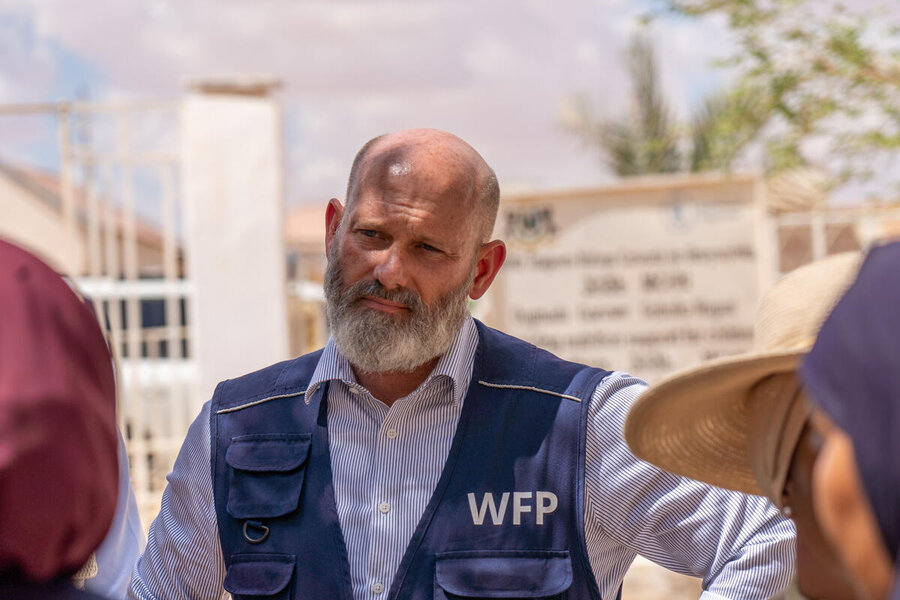
“For some people, certainly in the developed world, this will mean that prices at your supermarkets or at the gas or the petrol pumps are going to be quite a lot more expensive than before,” added Hollingworth.
“But in the world's most vulnerable countries, these price increases or the lack of availability of goods have a devastating effect. It may indeed push millions of people into acute food insecurity. And we've said this before, but let me be clear once again: today's humanitarian shock and supply chain disruptions can become tomorrow's global food crisis.”
To sustain the immediate response, WFP has reallocated resources from food assistance distributions scheduled for November. Without renewed funding, already vulnerable people will begin facing assistance gaps within the next month.
WFP requires US$109 million to provide emergency food and nutrition assistance for up to 1.5 million people affected by the escalation. We also require US$158 million to sustain regular operations including food, cash, nutrition support and school meals for 2.4 million people through to March 2027.