
Colombia earthquake deepens hunger in communities already under strain
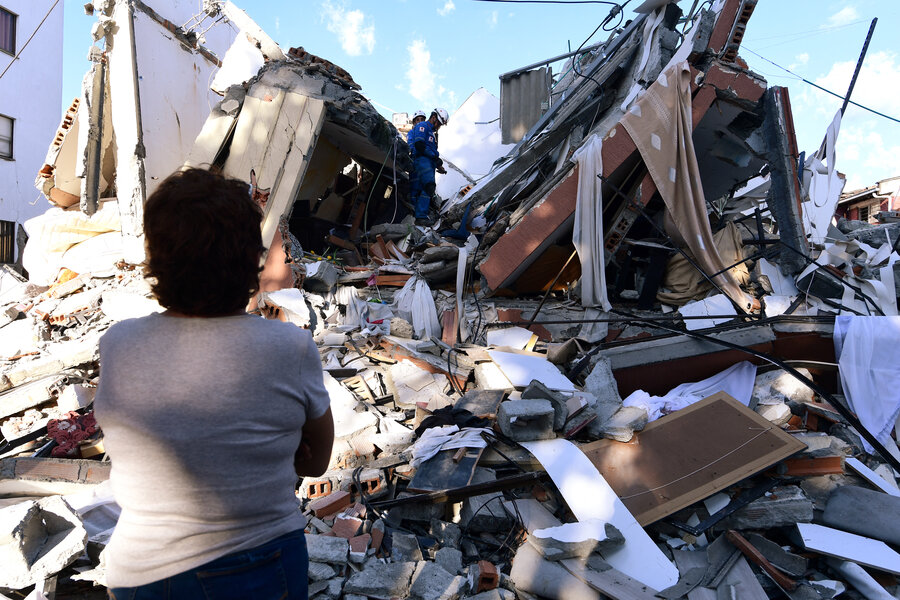
The earthquake that hit Colombia on Monday (12 August) has intensified an already complex humanitarian crisis, driven by conflict and climate shocks.
The 7.4 magnitude quake – Colombia's most powerful this century – struck in the Pacific-facing Chocó province and was felt for hundreds of miles across western Colombia. It has left more than 200 people dead and injured over 2,500, with many of the deaths in Cali, Colombia's third most populous city.
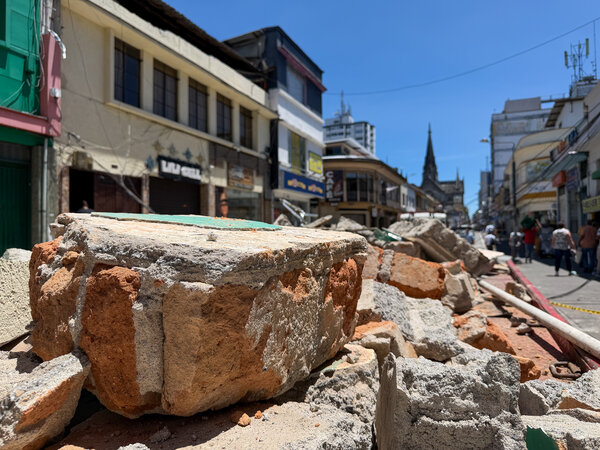
Power outages continue in some areas, while damaged roads, collapsed bridges and fallen trees are cutting off communities. Assessments are still under way and the full scale of the damage is not yet clear. This is the second major disaster to hit the region in recent weeks, following the Venezuela earthquake in June.
Food insecurity is highest in areas now hit by the earthquake and the disaster is likely to deepen hunger.
"The first 72 hours after an earthquake are crucial for search and rescue, and for positioning food and relief supplies before needs escalate." – Giulia Baldi, WFP's Deputy Country Director
"WFP stands in solidarity with the people of Colombia after the devastating earthquake," said Giulia Baldi, WFP's Deputy Country Director in Colombia. "Our teams report that communities remain shaken and fearful of further aftershocks.
"The first 72 hours after an earthquake are crucial for search and rescue, and for positioning food and relief supplies before needs escalate."
Hunger already at alarming levels before earthquake
In Chocó, 31 percent of the population faces food insecurity, compounded by conflict and displacement, while in Valle del Cauca the figure stands at 29 percent. In total, 7 million people in Colombia’s most vulnerable regions were already experiencing moderate or severe food insecurity, leaving many households with limited capacity to absorb another.
Following the Government of Colombia's request for international assistance, the World Food Programme (WFP) is mobilizing support and stands ready to assist affected communities.
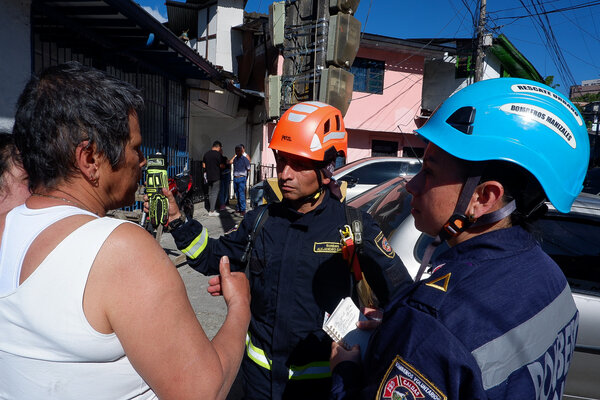
WFP has supported vulnerable communities in Colombia for nearly six decades and has an established presence in several of the areas hardest hit by the earthquake. We have access to some of the hardest-hit areas, including remote communities only reachable by boat along river networks.
Cash and food assistance can be scaled up quickly
"WFP's pre-existing operational presence in affected areas provides a strong platform to quickly scale up support as needs become clearer," said DCD Baldi. "The stocks are located close enough to affected areas to enable a rapid response, with additional supplies available through WFP's regional and global supply networks."
From January to June 2026, WFP assisted around 260,000 people across Colombia with life-saving food assistance and cash-based transfers to communities affected by conflict, climate shocks and mixed migration.
This included 75,000 children, including 7,000 migrant children, reached with more than 1.2 million school meals across 13 municipalities every month.
WFP’s existing cash programmes can help earthquake-affected families meet urgent needs and recover faster. Around 4,500 metric tons of food are pre-positioned in Colombia, close enough to affected areas to enable a rapid response if needed.
Major western cities such as Cali, Pereira and Manizales remain relatively accessible and can be supported quickly. Reaching the hardest-hit remote communities will be far more challenging due to damaged infrastructure and limited transport links.
WFP is appealing for US$23 million to deliver life-saving food assistance to 100,000 people for three months.