
COP31 and hunger: What you need to know
What is COP?
COP is the world's main international UN climate conference and the largest annual summit on the theme. It brings together governments, UN agencies, scientists, businesses and civil society groups to discuss how the world can stay ahead of increasingly extreme and unpredictable climate shocks. Previous conferences, including COP26 and COP27, have helped shape global climate policy and set the agenda for future negotiations.
What does COP stand for?
COP stands for "Conference of the Parties". The "Parties" are the countries and regional organizations that have signed the UN Framework Convention on Climate Change. Representatives meet every year to review progress, negotiate agreements and strengthen global climate action. The full title of the latest event, COP31, is the 31st annual Conference of the Parties to the United Nations Framework Convention on Climate Change (UNFCCC).
Where and when is COP31 taking place?
COP31 will take place in Antalya, Türkiye, from 9 to 20 November 2026. Türkiye is hosting the conference while Australia is leading the negotiations, under a joint arrangement agreed between the two countries.
Why was COP created?
The COP climate conference was established under the UN climate convention adopted in 1992. The aim was to create a forum for climate negotiations, where countries could work together to address climate change collectively. Since then, COP meetings have produced major climate commitments, including the Kyoto Protocol and the Paris Agreement. More recent summits, such as COP26 in Glasgow, Scotland, and COP27 in Sharm el-Sheikh, Egypt, have helped advance discussions on climate finance, adaptation and support for vulnerable countries.
Why does COP matter?
Weather extremes are affecting communities across the world, increasing risks to lives, livelihoods and food security. This is highlighted by the current El Niño phenomenon sweeping across continents, which is expected to peak between October and December 2026 and has potential to become the strongest on record.
Droughts, floods, storms and heatwaves were the leading drivers of acute food insecurity for nearly 88 million people across 16 countries in 2025. COP31 provides an opportunity for countries to agree on actions that can reduce those risks, support climate adaptation, help vulnerable people adapt to a changing climate and accelerate investment in practical solutions. For countries already facing droughts, floods, storms and heatwaves, the outcomes can have real-world consequences.
What happens during a COP climate summit?
At COP summits, governments negotiate on issues such as emissions reductions, climate adaptation, climate finance and support for vulnerable countries. Alongside the formal negotiations, thousands of delegates, experts and organizations take part in side events, exhibitions and discussions designed to share ideas and build partnerships. COP31 will also feature thematic days and other initiatives linked to issues such as food security, energy, health and climate finance.
How are food security and hunger connected to the COP agenda?
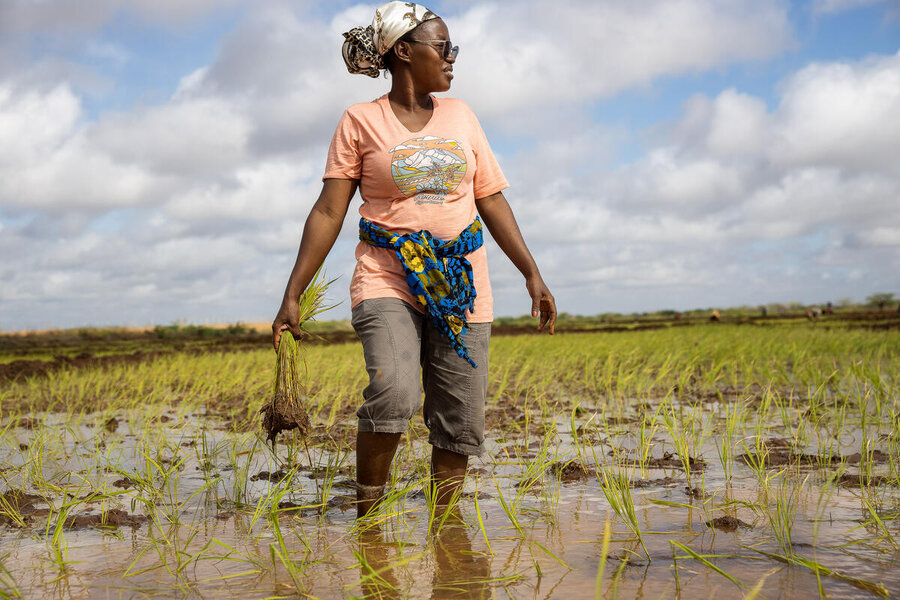
Climate extremes are among the leading drivers of food insecurity worldwide. Droughts can reduce harvests, floods can destroy crops and infrastructure, and storms can disrupt markets and livelihoods. These shocks can make food scarcer, more expensive or harder to access, especially for families already living in poverty or affected by conflict. Analysis of 45 countries by the World Food Programme (WFP) has found that when local temperatures rise by 1°C above the long-term average, the proportion of people facing crisis levels of food insecurity increases by almost 5 percent.
Why are people most vulnerable to hunger often the most vulnerable to climate shocks?
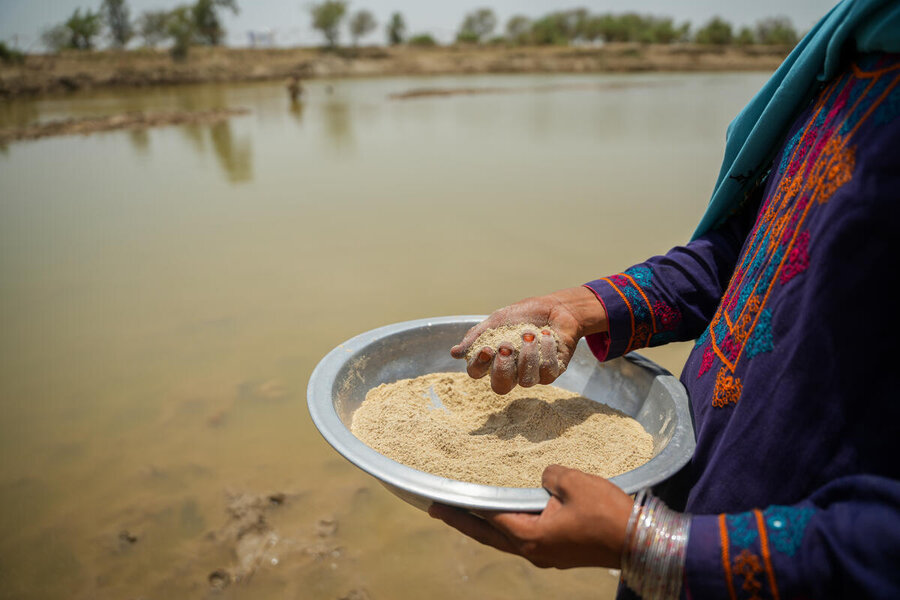
Many of the world's most food-insecure communities rely on agriculture, livestock or fishing for their livelihoods. They often have limited resources to prepare for or recover from disasters. As a result, a drought, flood or storm can quickly undermine incomes, food production and resilience, increasing the risk of hunger and creating a cycle of repeated crises.
How is WFP helping communities adapt to climate change?
WFP works with governments and communities to help people prepare for climate shocks before they become humanitarian disasters. While emergency assistance remains essential when crises occur, investing in resilience can reduce vulnerability and future humanitarian needs. This includes strengthening early-warning systems, supporting anticipatory action, providing insurance and helping communities build more resilient livelihoods.
In 2025, WFP supported more than 41 million people in 80 countries through climate and resilience programmes, helping communities withstand shocks, recover faster and become more self-reliant.
What is anticipatory action?
Anticipatory action is an approach to disaster preparedness that uses weather forecasts and early-warning systems to trigger assistance before extreme weather events occur. Rather than waiting until people have lost crops, livestock, homes or income, support is provided in advance to help communities reduce risks and protect their livelihoods. Between January and September 2026, WFP reached 4.9 million people with early warnings and provided more than US$1.5 million in cash ahead of forecast floods, storms and droughts, with every US$1 invested generating up to US$7 in avoided losses.
How can climate finance help people facing hunger?
Climate finance provides funding to help countries and communities adapt to the impacts of climate change and reduce the risk of hunger. The money is typically channelled through governments, UN agencies, development banks and humanitarian organizations, who use it to support activities such as early-warning systems, climate-resilient agriculture, water-management projects and anticipatory action. Some climate finance also supports disaster risk financing mechanisms, such as contingency funds and insurance schemes, which ensure funding can be released quickly before or immediately after a crisis. At COP31, the UN Disaster Risk Financing Platform is expected to be launched, to help countries scale up pre-arranged financing and manage risks before shocks occur. By 2030, it aims to mobilize more than US$3 billion and help protect over 75 million people from climate and disaster shocks.
These investments can help vulnerable communities protect crops, livestock and livelihoods before climate shocks turn into food crises, and to recover more quickly from shocks. Between January and September 2026, WFP helped secure nearly US$394 million in climate risk protection for 5.7 million people across 40 countries. Climate finance is a major topic at COP summits because many countries facing the greatest climate risks say they need greater support to strengthen resilience and food security.
What is WFP calling for at COP31?
WFP is calling for greater investment to help vulnerable communities prepare for and withstand climate shocks before they become humanitarian emergencies. This includes stronger support for country-led solutions, climate adaptation, resilience-building, early-warning systems, anticipatory action and climate finance that reaches people on the front lines of weather extremes – particularly those living in fragile, conflict-affected and highly food-insecure settings.WFP is also highlighting the need for climate-resilient food systems that can better withstand droughts, floods and other extreme weather events.