
Food security and global stability: 4 takeaways from UNGA
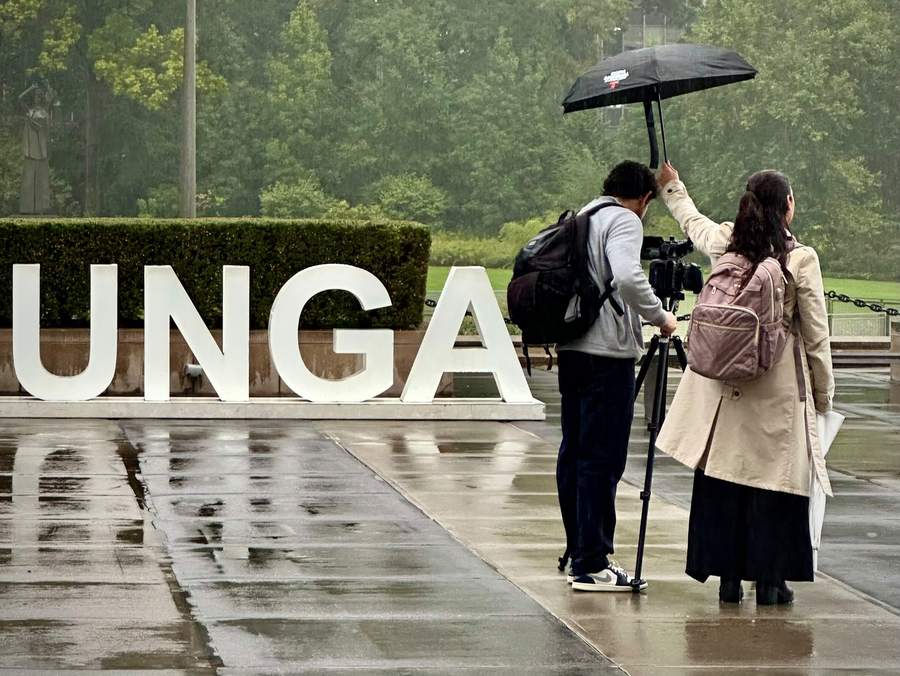
Food security is no longer just a humanitarian issue. It is increasingly linked to economic stability, resilience, migration, climate adaptation and global security. That reality shaped discussions throughout the 81st session of the United Nations General Assembly (UNGA).
Here are four key takeaways from the week.
1. Food security is essential to global stability
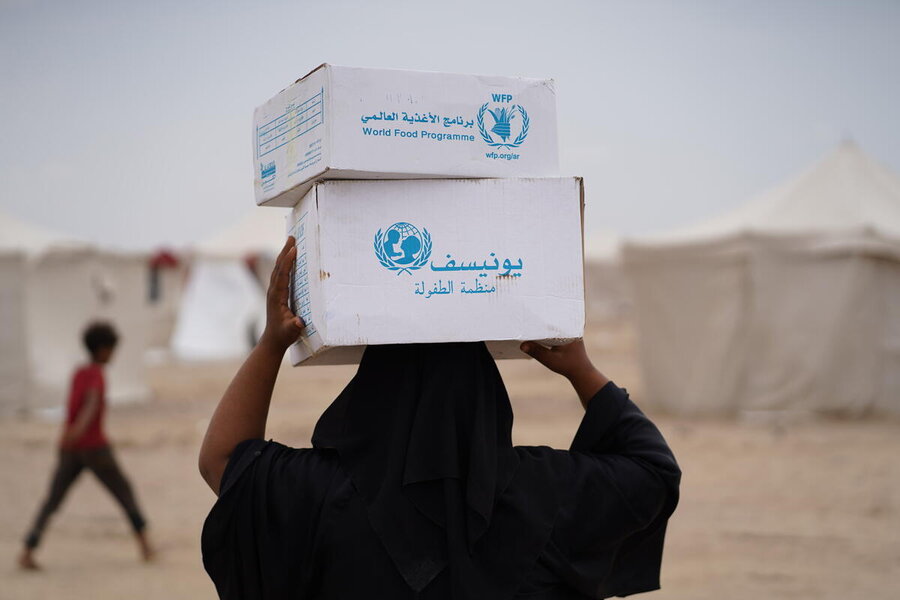
Food security is one of the defining challenges of our time, sitting at the intersection of so many others. It is shaped by conflict, economic pressures, climate shocks and displacement, but it also influences each of them in return. Rising food insecurity deepens pressure on communities, undermining stability.
When people lose access to food, the consequences reach far beyond nutrition – livelihoods are disrupted, communities become more vulnerable to shocks and families are often forced to make difficult decisions about whether to stay, move or find alternative ways to survive.
The effects are also increasingly global: a conflict in one region can affect food prices and food security thousands of kilometres away. Recent disruptions in the Strait of Hormuz, the Red Sea and the Black Sea have shown how closely connected global food systems have become, with impacts on the movement of food, fuel and fertilizer felt far beyond the immediate areas of conflict.
2. UN80 can turn collaboration into better delivery
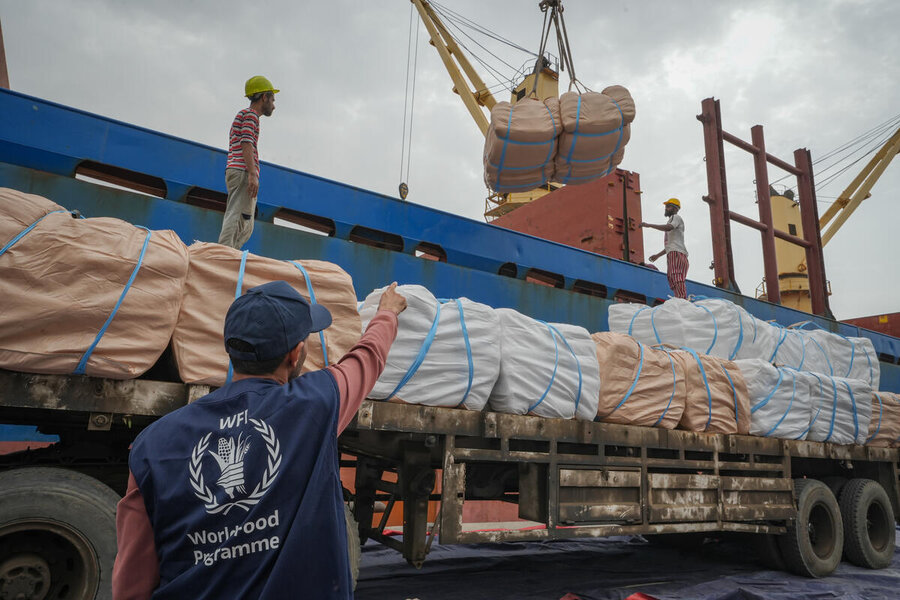
Humanitarian needs are increasing at a time when resources are under pressure. In this environment, success depends not only on what organizations do individually, but on how effectively they work together.
The UN80 reform agenda initiative reflects a growing recognition that the international system needs stronger collaboration. When agencies plan together, share infrastructure and focus on their respective strengths, they can often reach more people, more efficiently.
For WFP, this approach builds on decades of experience operating large-scale logistics networks, managing shared services and supporting inter-agency delivery in some of the world's most complex scenarios. By helping connect planning, logistics, data and technology across organizations, WFP is working with its UN partners to reduce duplication, improve efficiency and strengthen the UN system's ability to reach people with the support they need.
Combining expertise, infrastructure and operational capacity allows the humanitarian system to deliver more effectively than any single organization could alone. As needs continue to grow, making better use of existing strengths will be just as important as finding new resources.
3. Acting before crises is as important as responding to them
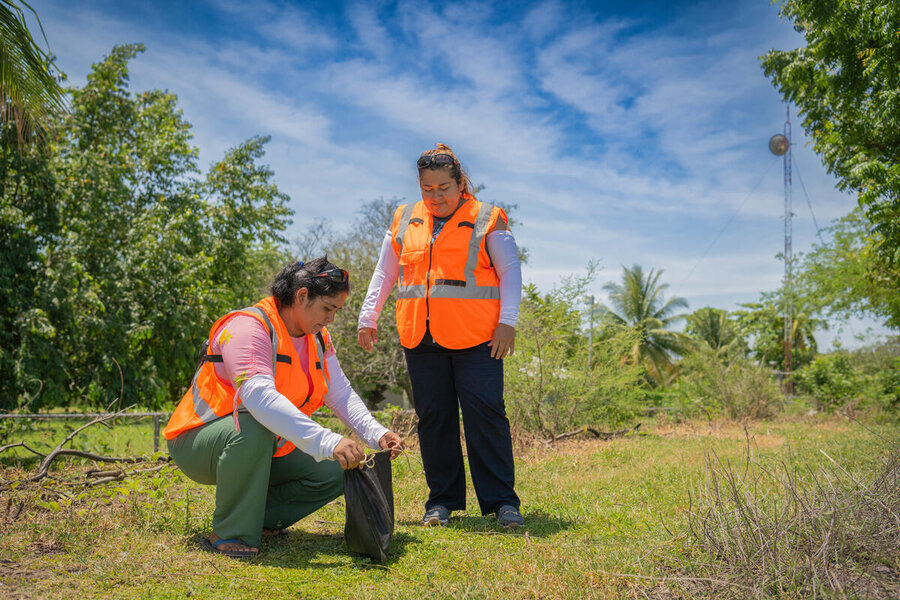
Climate shocks remain one of the most important drivers of food insecurity, affecting harvests, livelihoods and local economies across large parts of the world. Yet many of these events can now be anticipated weeks or even months in advance.
This means that instead of waiting for a drought, flood or storm to become a humanitarian emergency, support can arrive before families are forced to sell assets, pull children out of school or reduce the amount of food they eat.
Anticipatory action reflects a broader shift in thinking – from reacting to crises to reducing their effects before they happen. Acting early helps protect livelihoods alongside lives.
4. Partnership is no longer optional
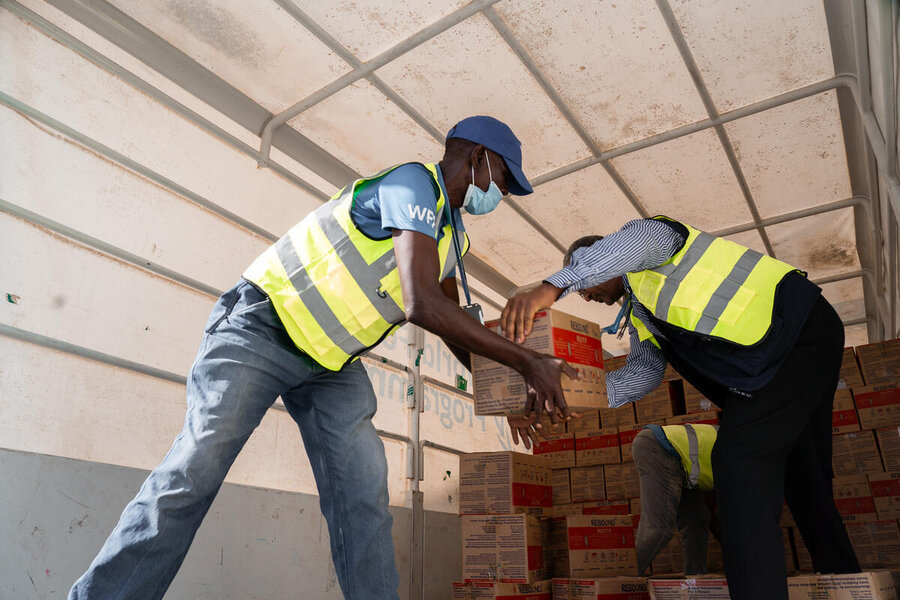
No organization, government or sector can solve hunger alone.
The challenges affecting food security today are too interconnected and too complex for isolated solutions. Progress increasingly depends on different actors bringing different strengths – the most effective responses are increasingly the result of partnerships that combine resources, capabilities and shared purpose.
This is particularly true at a time when demands are growing faster than available resources. Reaching more people with fewer resources requires stronger collaboration, greater innovation and a willingness to work across traditional boundaries. Partnership is no longer an additional component of humanitarian action – it is increasingly what makes humanitarian action possible.
Looking ahead
The tools to fight hunger already exist: early action, stronger partnerships, better use of existing capabilities and sustained investment in resilience are not distant ambitions. They are approaches that are already delivering results today.
The task now is to build on them at the scale needed for tomorrow.
" There's real willingness here and a broad agreement that no one should go to bed hungry. The question is how we turn that into action: new ways of working, new solutions to close the gap, real movement on the diplomatic front, and the resources to fund these operations."
- Carl Skau, Acting Executive Director via LinkedIn