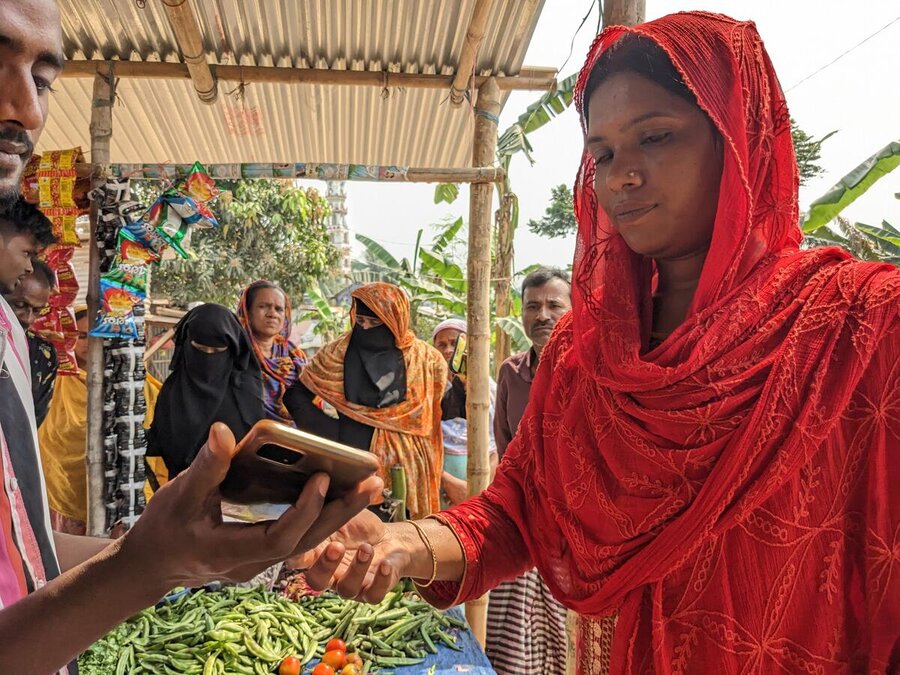
5 innovations transforming how WFP delivers food assistance
From artificial intelligence to digital registration and blockchain, the World Food Programme (WFP) is scaling practical innovations to help us reach more people, more efficiently.
As humanitarian needs continue to outpace resources, innovation and technology is fundamental to how WFP delivers assistance, adapts to increasingly complex crises and makes every dollar stretch as far as possible.
Many of these solutions are supported by the WFP Innovation Accelerator, which works with WFP colleagues and partner organizations to implement initiatives and help scale them globally.
1. SCOUT: Using artificial intelligence to improve WFP food delivery
SCOUT is an artificial intelligence tool that helps WFP plan its global supply chain more intelligently. It supports decisions on where to buy food, where to store it and how to deliver it, taking into account prices, transport costs, lead times and access constraints.
The tool has been deployed across West and Central Africa and Eastern and Southern Africa. It has saved US$6.2 million in 18 months, through improving the timing of purchases and selecting the best storage locations. That is enough to provide a month of life-saving food assistance for 300,000 people. It is projected to generate up to US$25 million in savings each year, allowing WFP to reach more people with the same resources.
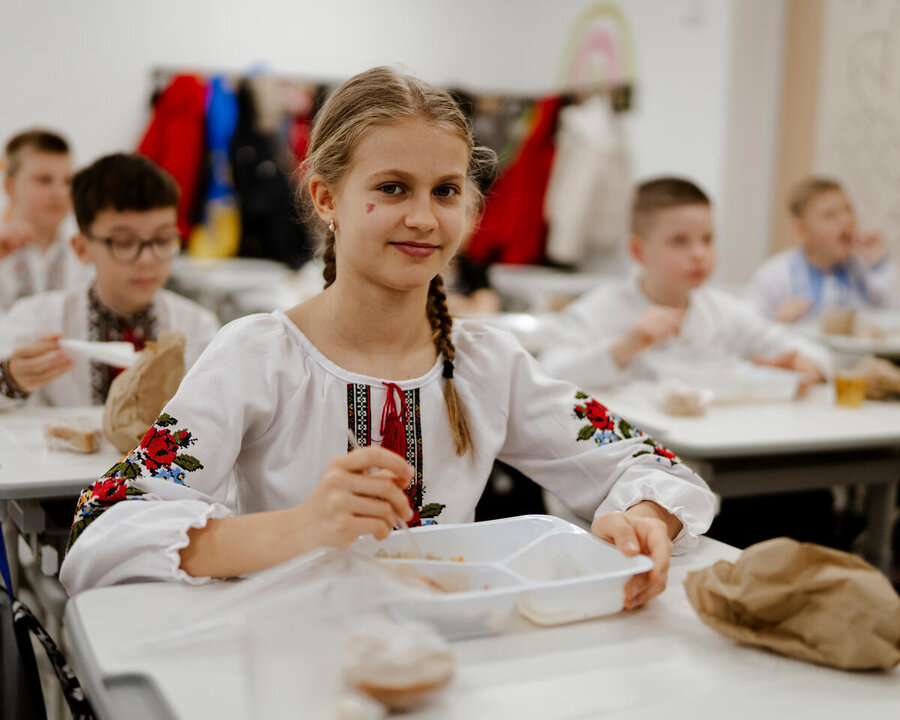
2. Sanku: Scaling food fortification through local markets
Sanku is a food fortification initiative that works through local maize flour mills to improve nutrition. It equips millers with small, low‑cost fortification devices – supported by simple digital monitoring – that add essential vitamins and minerals directly into flour during milling.
Sanku's factory in Tanzania produces high-quality, affordable premix for national millers and those across Kenya and Ethiopia. In Eastern Africa, the innovation reached 59.3 million people in 2025, helping close critical micronutrient gaps in everyday diets.
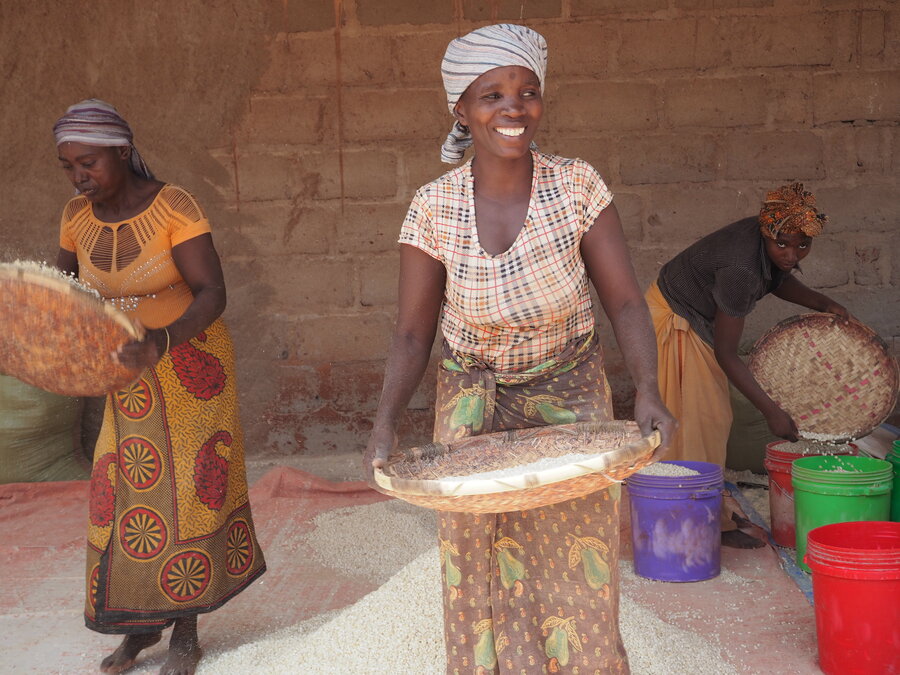
3. School Connect: Digitizing WFP school meal programmes
School Connect is a digital platform that helps manage and monitor school meal programmes in real time. School staff can record food deliveries, track stock levels, and log attendance and meal consumption using simple mobile tools.
Now in use in 11,000 schools across 26 countries, including Afghanistan, Cote d'Ivoire and Honduras, School Connect helps governments and WFP teams monitor 350 million school meals for 3.6 million children. By simplifying and reducing reporting time, and improving oversight, the platform has saved US$3.6 million over two years while strengthening accountability for school meal investments.
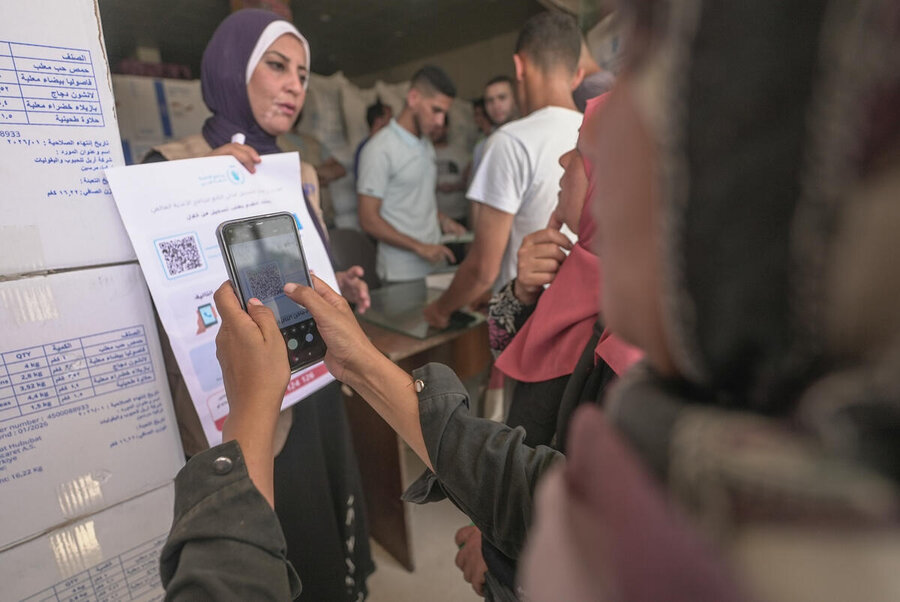
4. People Portal: Digital registration for faster food assistance
People Portal enables people affected by crises to self‑register for WFP assistance, update their information and receive real‑time updates, even in low‑connectivity environments. People can view and manage the data we hold about them, encouraging transparency and trust.
In Gaza, People Portal enabled the digital registration of 2 million people in 2025, accelerating access while saving US$9.4 million in operational costs. By reducing reliance on labour-intensive field registration, the platform improves speed and accuracy. Now used in Ecuador, Sudan and Ukraine, as well as Palestine, People Portal could save US$115 million annually.
5. Building Blocks: Blockchain technology for humanitarian cash assistance
WFP’s blockchain-based platform helps humanitarian organizations coordinate assistance more effectively, while protecting personal data. Each person has a unique blockchain account, allowing agencies to see what aid has been provided. This reduces duplication, improves transparency and enables more equitable support in complex emergencies.
The platform has saved US$288 million since 2022 through avoiding unintended assistance, including more than US$270 million in Ukraine alone. It is being used by 159 organizations in Ukraine, Syria and Palestine.