
How El Niño is driving hunger and drought across Central America
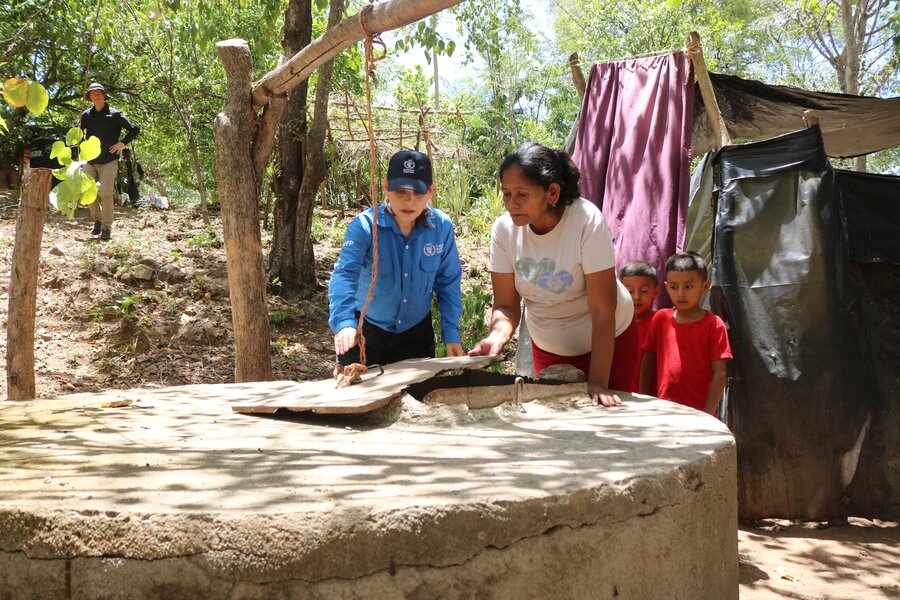
During my travels across Central America in recent months, I have witnessed how drought driven by El Niño has evolved from a distant threat to reality and, today, an emergency.
The farmers of a small agricultural cooperative in the northern community of San Diego, Nicaragua, whom I met at the end of April, had no doubts: rainfall prospects were bleak, even by the standards of Central America's Dry Corridor. Rising fertilizer prices, up by nearly 50 percent since the beginning of the year, darkened the outlook.
Those predictions were soon confirmed. By July, in Jalapa, Guatemala, farmers guided me through plots where crops had barely reached half their normal height. And by the time I arrived in Honduras in early September, communities and authorities were already sounding the alarm: dry wells and rivers, failed harvests and dead livestock.
Rising levels of food insecurity and malnutrition were hitting the most vulnerable the hardest.
El Niño worsens food insecurity
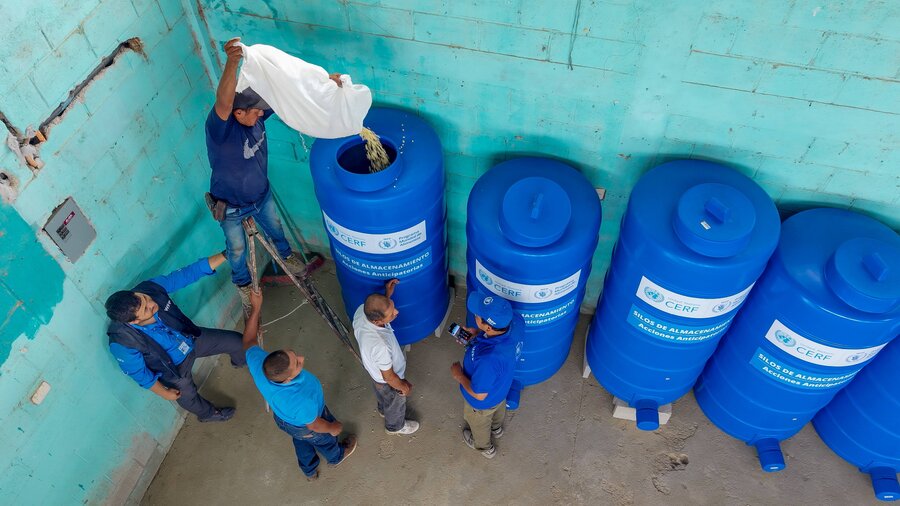
Across Central America, millions of families are now eating less and eating worse. When food becomes scarce, many have no choice but to sell the assets they depend on for survival, jeopardizing not only the present but also their ability to recover in the future.
The scale of the crisis is unprecedented. Some meteorologists estimate this is the strongest such climate phenomenon since 1877, when an El Niño-intensified famine killed millions. Many are calling today’s event a “super El Niño,” because of its intensity and the risks it poses.
"Across Central America, millions of families are now eating less and eating worse...In Central America alone, the number of food-insecure people could increase by as much as 80 percent." – Lena Savelli, WFP Regional Director for Latin America and the Caribbean
WFP estimates that up to 16 million additional people could face acute food insecurity by the end of 2027 across the 12 countries in Latin America and the Caribbean – along with small Caribbean island states – where we operate. In Central America alone, the number of food-insecure people could increase by as much as 80 percent.
Already, several countries in the region have declared states of emergency over El Niño-fuelled droughts. This includes Panama, which has reduced transit through the canal – further constraining maritime trade affected by conflict in three other vital passages: the Strait of Hormuz, the Red Sea and the Black Sea. With technical assistance from the United Nations, governments across the region have adopted and activated emergency response measures, including contingency planning, capacity strengthening and logistics support.
Turning early warnings into action
WFP did not wait. As early as April, before the main planting season, we began issuing early warnings, anticipating weather shifts and distributing cash assistance to families most at risk. These measures have reached more than 409,000 people across the Dry Corridor countries.
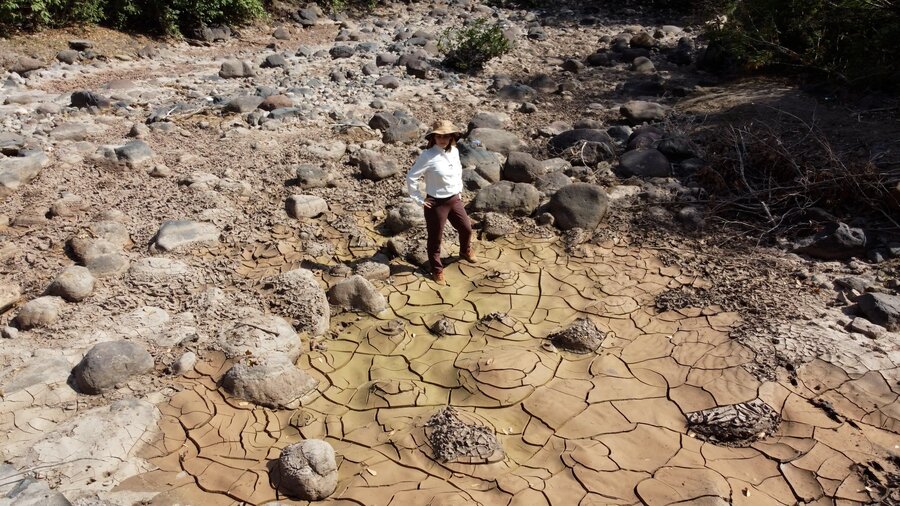
In the community of El Aguacate, in Guatemala’s southeastern San Pedro Pinula municipality, I saw how families organized themselves to purchase staple foods in bulk while prices were still low, and store them in community silos – reducing costs ahead of the most difficult months. Thanks to WFP cash transfers, they were able to act while there was still time: protecting their food supplies, safeguarding their livelihoods and making drought-response decisions for themselves. In essence, they had the means to act before drought turned into disaster.
"If El Niño teaches us one lesson, it is this: preparing for disaster costs far less than rebuilding after." – WFP's Lena Savelli
Today, however, as harvests shrivel and rivers dry up, prevention has given way to mitigation and emergency relief. In support of national responses, more than 470,000 people across Central America are now receiving WFP food and cash assistance. Our response is closely coordinated with governments and other UN agencies, to ensure affected families can also meet their health and water needs, at a time when malnutrition and communicable diseases such as dengue are on the rise.
I accompanied one woman, Dayana, in the southern Honduran city of Nacaome, as she bought groceries using a WFP voucher. She carefully compared prices to make the most of the US$150 allocated to her family of four, filling her cart with corn flour, rice, beans, oil and other basic necessities.
Building resilience to future climate shocks
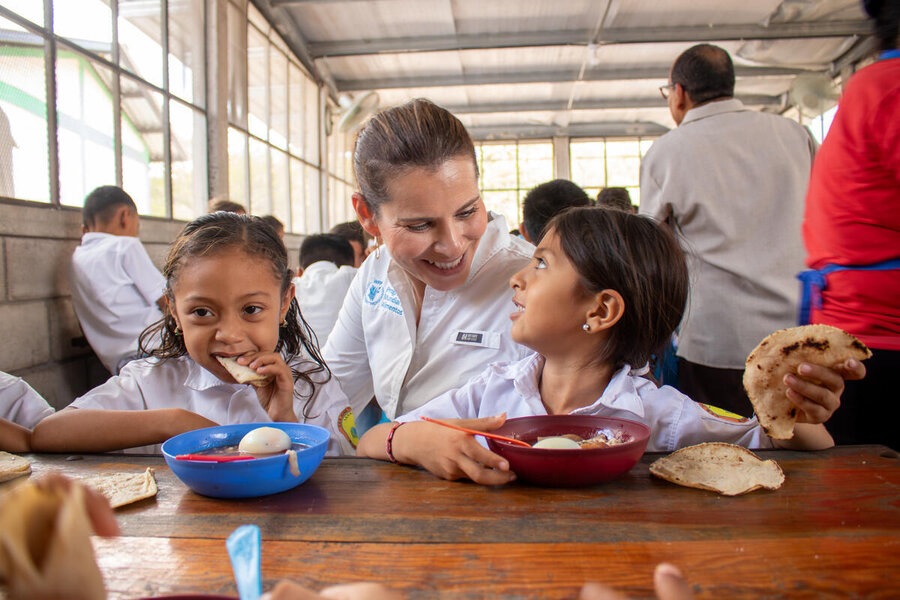
Across the region, WFP-supported school meal programmes also play a critical role: feeding children, helping families make ends meet and creating economic opportunities for rural communities on the frontlines of El Niño. In Nicaragua, WFP has even doubled the number of meals provided through the national school feeding programme, ensuring that 300,000 children in the hardest-hit areas receive additional support during the most difficult months.
Much remains to be done. Communities and governments alike agree that greater investment in resilience is essential: helping farmers adapt to a changing climate, strengthening social protection systems capable of acting before crises worsen, and expanding insurance and access to credit, so families and countries can recover when harvests fail.
If El Niño teaches us one lesson, it is this: preparing for disaster costs far less than rebuilding after.
This op-ed was originally published by El Universal on 12 October 2026.
WFP's El Niño response in Central America is made possible thanks to donors including Canada, the European Union, Germany, Guatemala, Japan Association for the World Food Programme, Ireland, Luxembourg, Norway, Republic of Korea, the United Nations and the United States.