
How a record-breaking El Niño could deepen global hunger
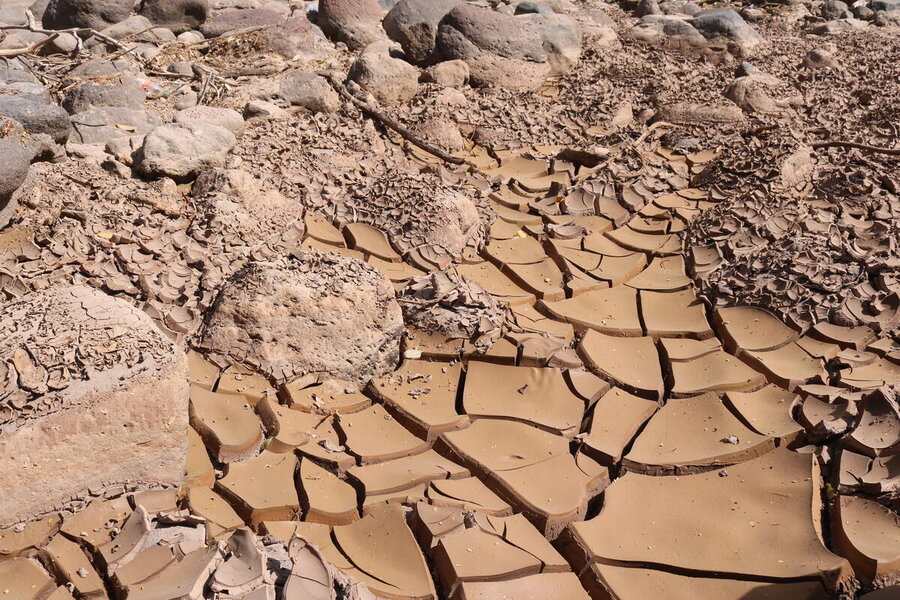
WFP has been warning for months about this 2026-27 El Niño. Now that it’s arrived, what are we seeing?
Richard Choularton: The forecast earlier in the year was for a very strong El Niño. As we head to the end of the year, they show it’s very likely this El Niño will be the strongest ever. This means we are seeing projections for more intense and widespread floods, storms, and droughts. We have already seen the initial impacts earlier in the year in Central America and the (African) Sahel.
In Central America, for example, a very severe drought was forecast for the (April-June) Primera, or early growing season – even before El Niño was formally declared. When drought conditions did occur, farmers either lost their crops or had lower yields. A bad start to the year has knock-on effects; if farmers think it won’t be a good year, they’ll reduce their planting, cut investments and won’t hire labour. Many of the most food-insecure people in the region – the people WFP reaches – purchase up to three-quarters of their food with income they earn working on other farms.
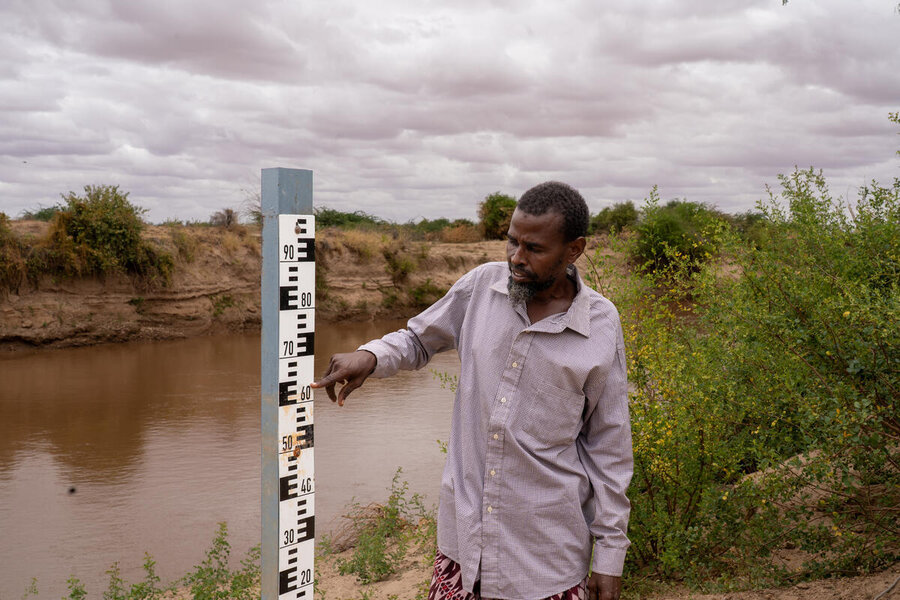
WFP estimates this latest El Niño could push 49 million people into acute hunger. Which counties and regions could be hardest hit?
RC: Our VAM (Vulnerability Analysis and Mapping) analysis shows Latin America and the Caribbean, along with large parts of Africa and Asia and the Pacific could feel some of the biggest impacts of El Niño.
I am most worried about two types of places. First, those like Somalia, where many communities are already facing a severe hunger crisis. During the last 2022-23 El Niño, WFP scaled up to reach 10 million drought-affected Somalis with food assistance – and we were able to stave off famine. This time, we’re only reaching 670,000 people. We don’t have the funds to do more.
"Ultimately, the most food-insecure people will feel the biggest effects." – WFP's Climate Expert Richard Choularton
The second type comprises countries that are not facing a major crisis but are highly vulnerable to El Niño’s impacts – like those in Southern Africa. Many communities there are still recovering from 2015-16 and 2022-23 El Niño droughts. Another major drought could compound these impacts, resulting in a major food crisis requiring a significant scale-up of our ability to respond. While most of these countries have social protection systems, and we are working with humanitarian partners and governments to prepare and reduce El Nino’s impacts, our resources to respond are limited. We need to keep our focus on these countries. Otherwise, much of their progress in building resilience and improving food security could be lost.
What other challenges do countries face with this latest El Niño?
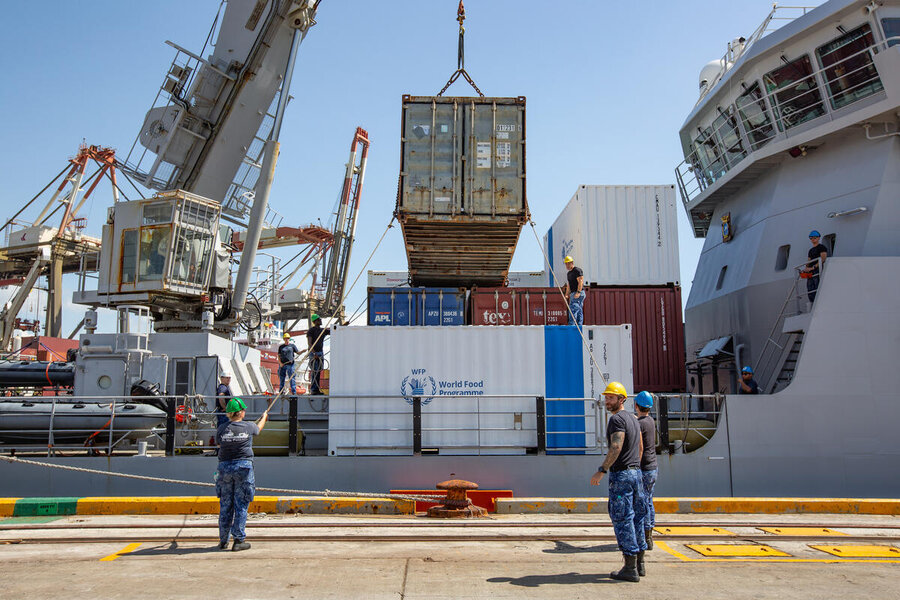
RC: More communities are living in food crises than ever before. And we have less resources to support them. Conflict-related disruptions of major trading routes – the Strait of Hormuz, the Red Sea and the Black Sea, what we call the ‘triple chokepoint’ – are having knock-on effects in terms of higher food, fuel and fertilizer prices.
Take Southern Africa, for example. With higher fuel prices, using tractors becomes more expensive, so less farmland gets plowed. Less or lower quality fertilizers, seeds, and other inputs are used, which translates into less area planted, less production and less income for labourers. Then add an El Niño-driven drought on top of that, and we can expect very serious food security impacts emerging in 2027. Ultimately, the most food-insecure people will feel the biggest effects.
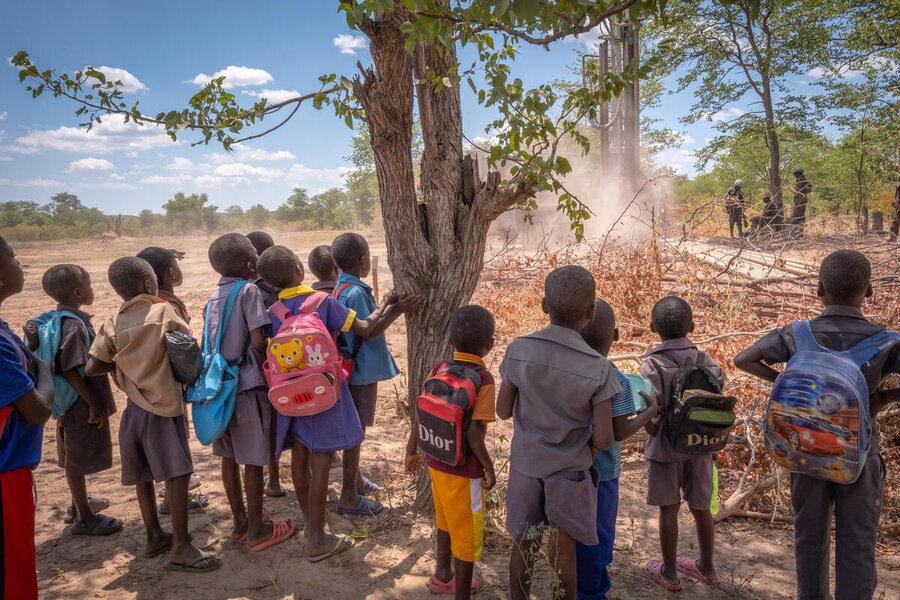
What is WFP doing to avoid the worst?
RC: A decade ago, we got to the point when our early warnings became good enough to act ahead of floods, droughts, and storms. During the 2015-16 El Niño, we piloted our first forecast-based finance program – now known as ‘anticipatory action.’ In Zimbabwe, where we tested the program, the district we supported saw its food consumption score dip only 2 percent after an El Niño drought – compared to a 35 percent drop in the neighbouring district.
"(WFP) We aimed to reach 1 million people with anticipatory action in 2026. We met that goal by June." – WFP's Richard Choularton
This year, we have more tools, better analysis – we’re better prepared. Our country offices have been putting in place anticipatory action plans, scaling up disaster risk financing, improving preparedness, and accelerating community disaster risk reduction activities wherever possible to limit El Niño’s impacts. We aimed to reach 1 million people with anticipatory action in 2026. We met that goal by June. Today, we have anticipatory action plans in about 51 countries – with US$80 million funding, ready to go when forecast triggers reach predefined thresholds. This represents a huge shift in the global humanitarian system – and in how many governments are managing increasing climate risks.
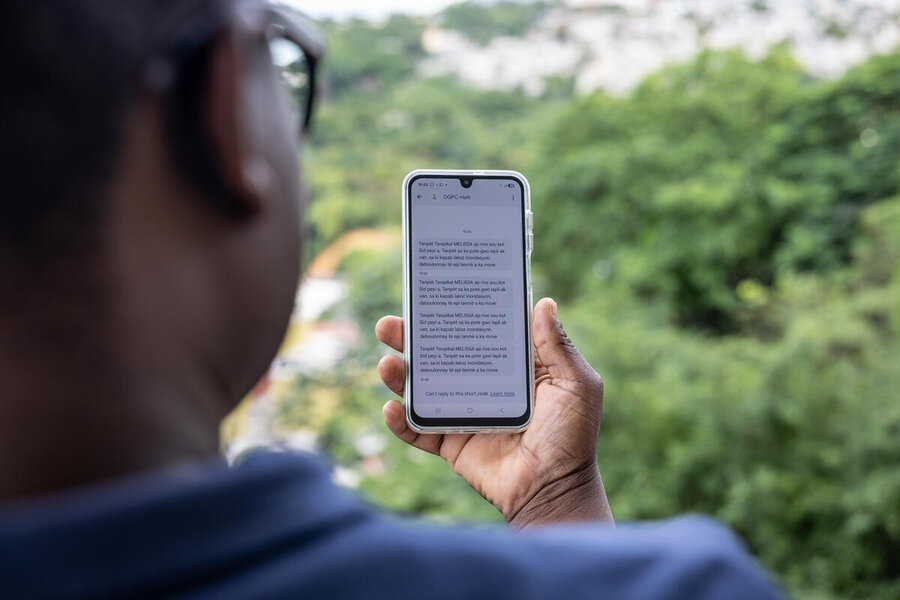
Acting early saves money. The sooner we get people back to work, back to meeting their own needs, the sooner we can stop providing assistance. For example, last year in Haiti we transferred US$100 to 50,000 food-insecure households, along with early warning messages to millions of people ahead of Hurricane Melissa. This enabled households to buy food before the storm made landfall, when it was still available and affordable, along with other supplies to weather it.
We’re also working with governments so they can do more to reduce disaster risks for food-insecure communities. In the Philippines in 2022-23, for instance, WFP supported the Filipino Government in helping 700 communities construct water retention ponds ahead of an El Niño drought. WFP provided US$50,000 and technical assistance, which helped the Government to launch a nationwide programme that continues to expand – protecting people against this year’s El Niño.
With El Niño intensifying, what’s your message to the international community?
RC: We have to maximize the resources we have. The best way to do that is act as early as possible, to help people reduce the impacts of El Niño. So they can get back on their feet as soon as possible.