
Insurance helps farmers protect livelihoods as climate shocks intensify
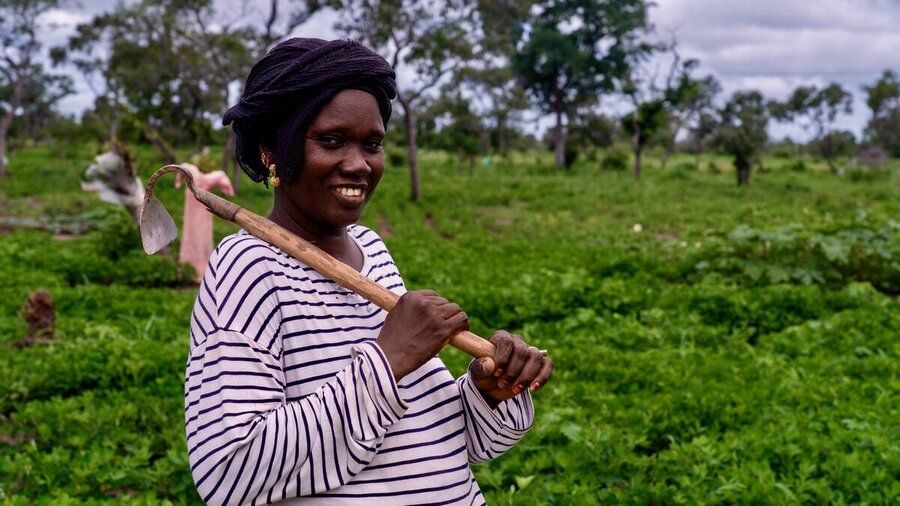
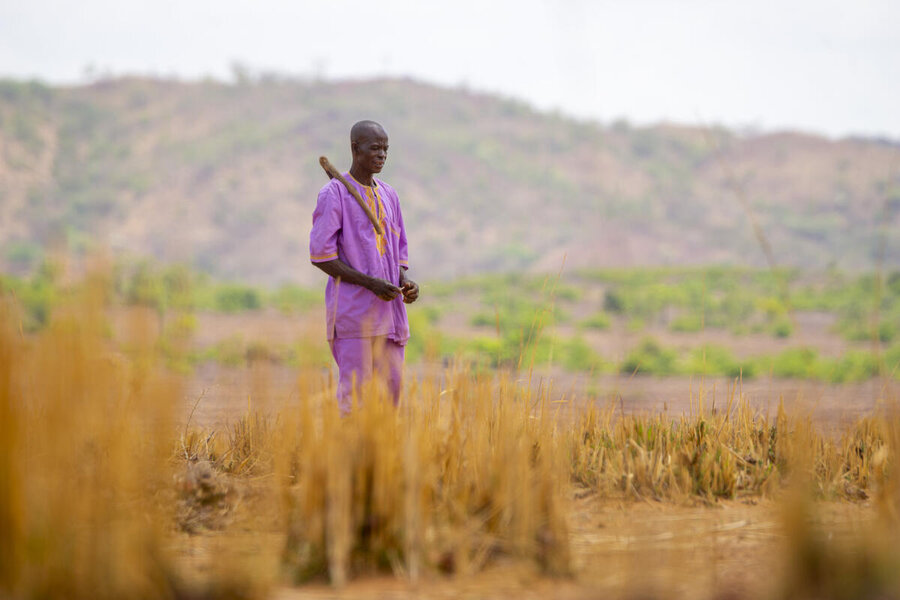
Farmers Aminata Tambedou and Hafia Salim have watched extreme weather rolling across their homelands, crippling harvests and killing dreams. Both have braced for business setbacks and growing hunger.
But both Tambedou in Senegal and Salim in Syria have averted the worst thanks to critically timed lifelines: support from groundbreaking World Food Programme (WFP) climate insurance schemes that helped them recover and move forward.
“If we grow crops and everything goes well, that’s what we want,” says Tambedou who is the sole provider for her eight children. “But if things don’t go well, we have another option, and for that we are grateful.”
Insurance protects farmers when climate shocks hit
WFP works extensively in both purchasing and supporting access to insurance policies for the people we serve.
We provide insurance at different levels, depending on who needs protection and how risk is managed:
-
for individuals and households (micro)
-
for groups or communities (meso)
-
for large regions or entire countries (macro)
The insurance plans are part of WFP’s broader toolbox to help the most vulnerable people prepare for and recover from extreme weather and other shocks – which may include the impact of El Niño.
“Without insurance, people can’t develop their businesses,” says Mathieu Dubreuil, WFP’s Lead Programme Advisor for Disaster Risk Financing. “They can't access financial services and develop income generating activities – and ultimately they can't become food secure.”
How WFP’s insurance systems work at every level
Last year alone, we provided US$380 million in financial protection through WFP-supported Disaster Risk Programming to more than 4.9 million people across 44 countries. Since they were first launched in 2009, WFP’s insurance schemes have provided financial protection to nearly 22.4 million people and triggered nearly US$100 million in payouts. The funds have helped over 8.6 million people respond to and recover from weather-related shocks like droughts, floods and tropical cyclones.
The protection ultimately translates into wins for both WFP and the people we serve, by building resilience and saving aid money otherwise spent on more serious crises.
“When people are insured at least against predictable shocks like climate extremes and disasters, it means WFP can transfer that risk exposure to the market, and not have it weigh on our internal resources,” Dubreuil says. “It helps protect our own operations, so we can reach more people, more quickly and cheaply.”
Women protecting their harvests and their futures
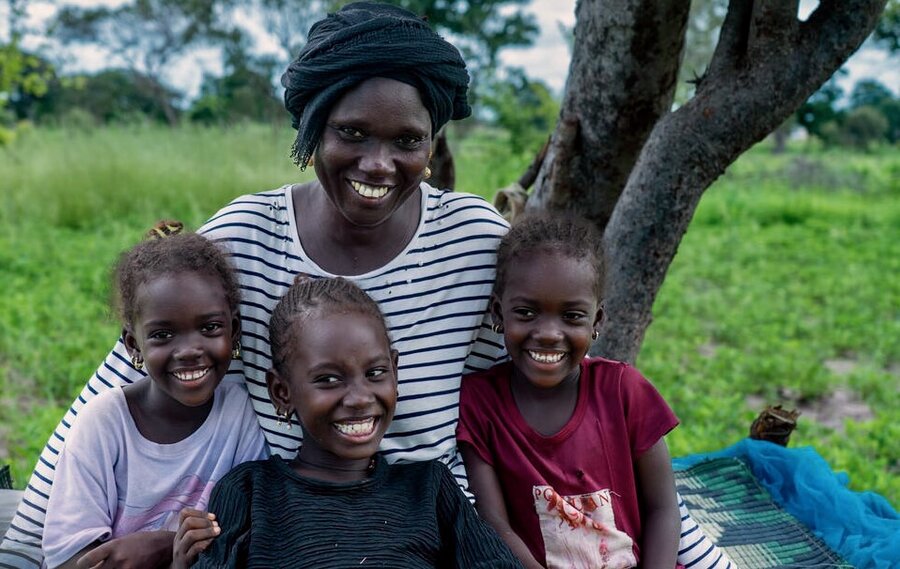
In the eastern Senegalese village of Sinthiou Boubou, farmer Aminata Tambedou knows how fragile farming can be. With her husband working in Gabon, she relies on crops like groundnuts, cowpeas and okra to feed her family.
“When it rains where we need to sow, we can sow. But if it doesn’t, we lose what we have planted,” she says. In 2024, floods destroyed her groundnut harvest – a reminder that too much water can be as damaging as too little.
After learning about it through her savings group, Tambedou enrolled in WFP’s microinsurance programme, supported by the Government of Senegal.
“You don’t have to ask for help. You can manage on your own.” — Aminata Tambedou, farmer in Senegal
“If I had known, I would have gotten into it sooner,” she says. “You don’t have to ask anyone for help. You can manage on your own.”
“Microinsurance is not a tool that we implement alone,” says Frederica Andriamanantena, Climate Risk and Insurance Advisor for WFP’s Dakar office. “We work with the government, with cooperating partners, the private sector and with our sister agencies,” along with community organizations, so farmers and others understand and adopt the insurance schemes.
For women like Tambedou — who are often responsible for growing household food but less connected to financial systems — this support is critical. It strengthens resilience and gives them greater control over decisions that affect their families.
“When women are well integrated, we see significant changes in household resilience,” adds WFP’s Dubreuil, describing the findings of an impact study from Ethiopia. “They invest jointly and become more resistant to shocks.”
Insurance helps entire communities prepare for weather extremes
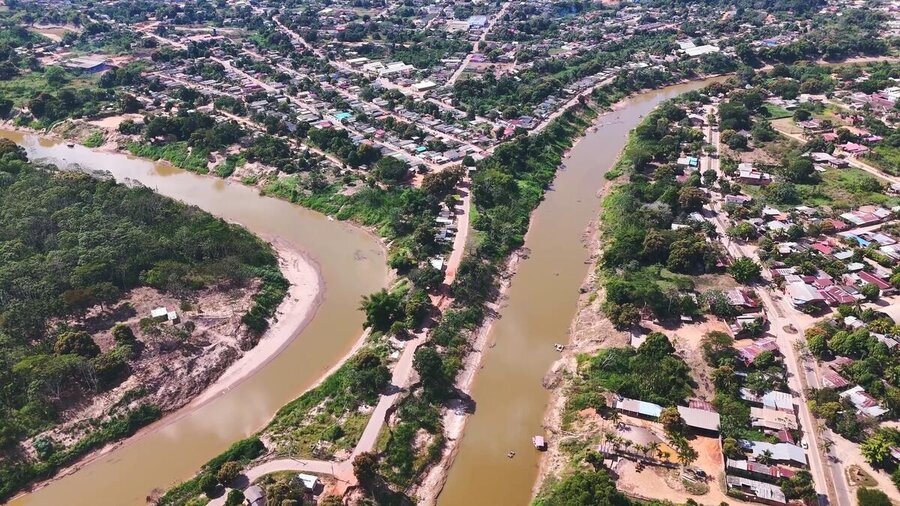
Not all WFP insurance schemes target rural dwellers. In Latin America, for instance, WFP has collaborated with other United Nations partners to launch meso insurance linked to rainfall indicators in four districts in Peru, along with two municipalities in Bolivia. The policies guarantee municipalities can prepare for and respond to climate shocks, and compensate the people affected.
Elsewhere, WFP’s insurance plans can cover hundreds of thousands of people. That’s the case in Syria last year, hit by its worst drought in half a century. For farmers like Hafia Selim, unable to plant during the country’s years-long conflict, the parched fields and shrivelled plants offered another bitter setback.
“We waited through December, January, February,” says Selim of the rains that never arrived in her village of Taftanaz, in northwestern Syria. “We asked ourselves how we would manage our livelihoods.”
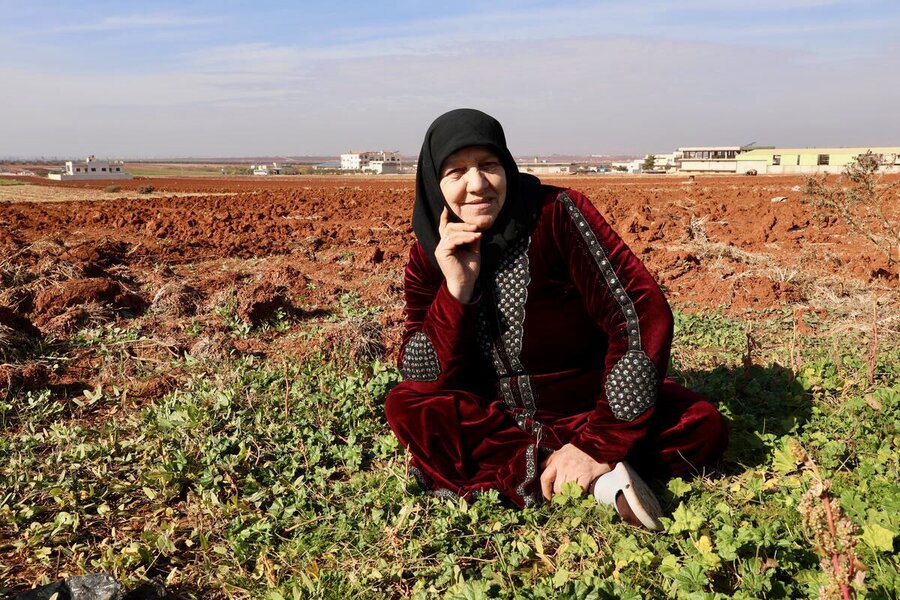
The answer came with an overall $7.9 million insurance payout under WFP’s drought macro-insurance policy in Syria, allowing us to provide cash assistance to nearly 120,000 affected people. The US$300 Selim received allowed her to repay debts, buy essential food and save money for seeds for the next planting season.
“We hope the upcoming agricultural season will be better than the previous one,” says Selim, who dreams of solar irrigation to help her adapt to intensifying droughts.
“If sufficient rain fell every year, people would be happy,” she adds, “but now we need alternatives.”
As extreme weather intensifies, scaling solutions will be critical to protecting more people like Tambedou and Selim and further improving livelihoods and food security.
Learn more about the critical difference made by WFP Disaster Risk Financing programmes, in the 2025 Annual Report.