
South Sudan's refugees escaped war and other dangers – then came funding cuts
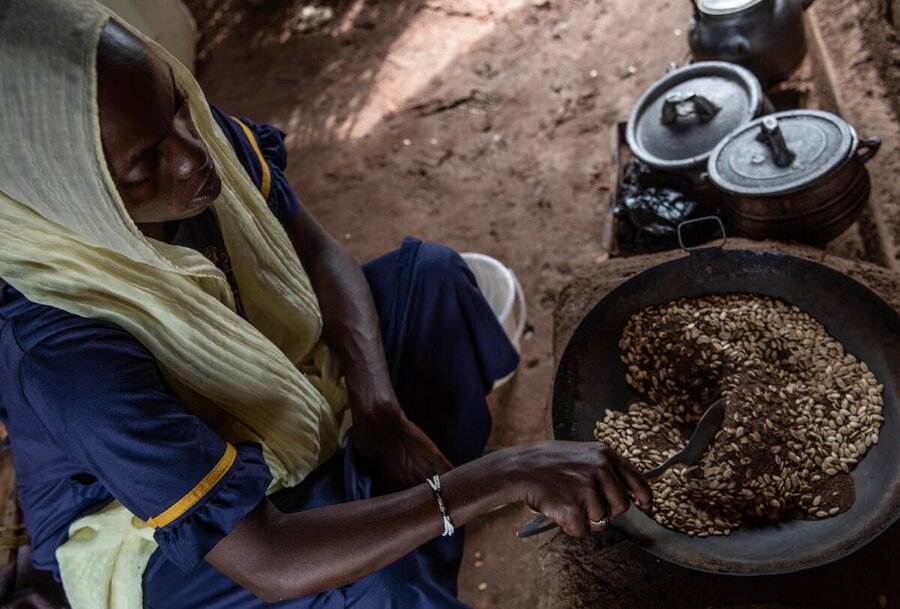
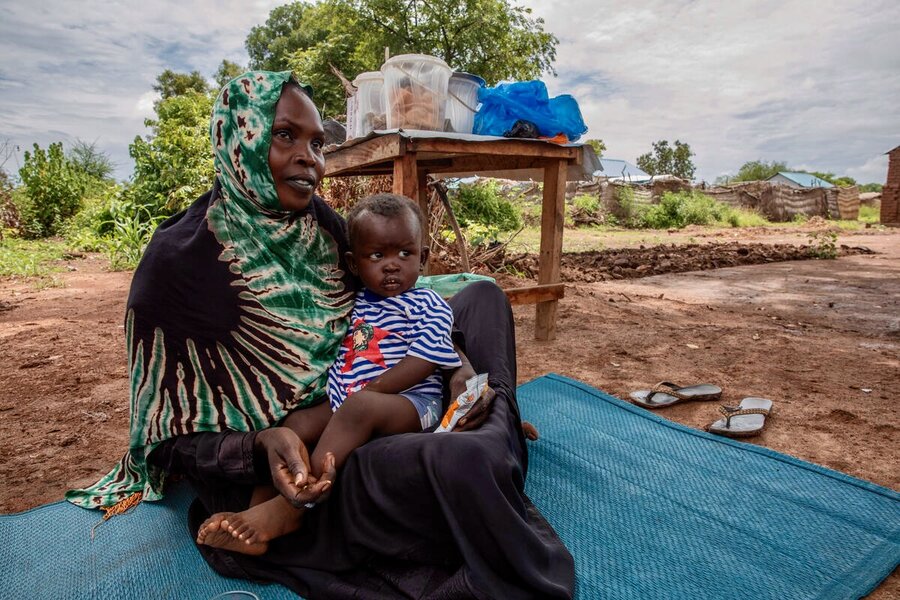
Three years after fleeing Sudan’s civil war that destroyed her home and killed her sister, Esraa has finally found some peace – in South Sudan’s crowded Wedweil Refugee Settlement just across the border.
From a mud-brick hut, her World Food Programme (WFP) cash assistance is complemented by earnings selling small bags of snacks. With family members disappeared in the ongoing violence, it is a difficult life, she acknowledges – but at least it offers hope.
“There are no bombs and the children are happier,” says Esraa, a mother of five who hails from the western Sudanese city of El Fasher. “I feel safe here.”
“For refugees and host communities, food assistance is often the difference between coping and crisis.” – Adham Effendi, WFP Deputy Country Director in South Sudan.
But today, Esraa’s safety net – and that of hundreds of thousands of other refugees in South Sudan – is slipping away as humanitarian funding dries up.
Already WFP has shrunk food support and halved remaining rations to cover just 240,000 of the country’s most vulnerable refugees, or just one-third of South Sudan’s overall refugee population. Without fresh contributions in the coming weeks, we will end assistance altogether after September – severing a major food and nutritional lifeline in a country where 7.8 million people are acutely hungry.
“For refugees and host communities, food assistance is often the difference between coping and crisis,” says Adham Effendi, WFP Deputy Country Director in South Sudan. “Urgent support to save lives and livelihoods is vital – to meet essential needs and reduce long-term dependence on humanitarian assistance.”
Continued support is essential not only to save lives but also to protect investments in resilience, livelihoods and long-term solutions to hunger. Refugees who have spent years rebuilding their lives and working towards greater self-reliance could see this hard-won progress undermined.
Rising hunger, scarcer food
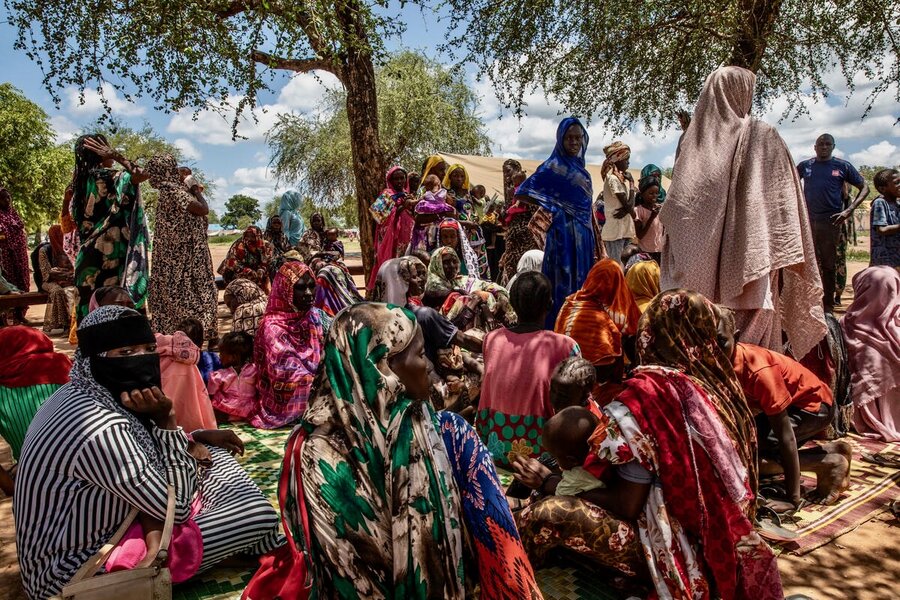
The looming cuts come amid mounting hunger, driven by a mix of factors including persistent conflict, extreme weather conditions, and the between-harvest lean season when food is scarce and prices rise. Needs are growing for other reasons: up to 3,000 returnees and asylum seekers continue arriving each week from war-battered Sudan, adding to 1.3 million already in South Sudan.
For Esraa and her family, there are few viable alternatives to WFP and other support. Sitting on a carpet outside her home, her children playing nearby, she begins weeping as she describes loved ones lost to a conflict now well into its fourth year.
“Our house was bombed and my sister was killed. I do not know where my two brothers are,” Esraa says.
During their escape from Sudan, the family was attacked and robbed, losing everything, she says. Finally, they reached Wedweil. Their ordeal was over.
“I was happy,” Esraa says, “although I still carry a great deal of sadness.”
Along with meeting basic needs, Esraa uses some of WFP’s assistance – the equivalent of about US$25 a month per refugee – to buy raw groundnuts and watermelon seeds that she roasts and sells to boost her income.
“I dream of a better future for my children,” she says. “I want them to continue their education, so they can build a place for themselves in the world.”
Small businesses, big dreams
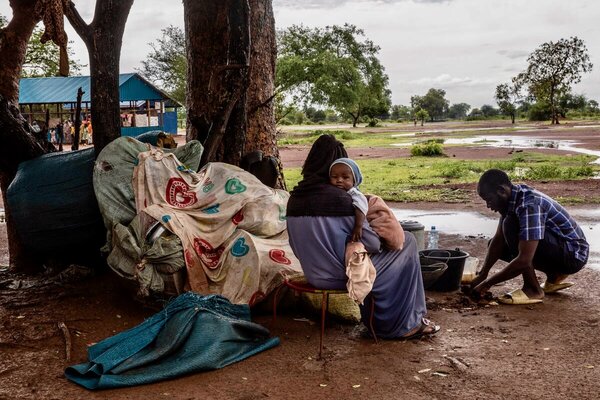
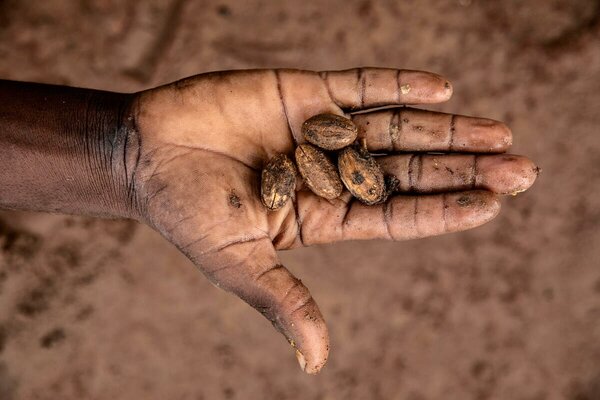
On a recent morning, another refugee, Saleh, cracks open the hard, woody seeds of wild lalob fruit to cook for lunch. Later, he will sell more of the fruit, also known as desert dates, to help his family get by.
Like other new arrivals, Saleh still sleeps on muddy ground under trees with his wife and baby. But Wedweil offers sanctuary.
“I heard that the camp provides essential services, including healthcare, food and other support – that is why we came here,” Saleh says. “I am grateful that my family and I are safe.”
Saleh and other refugees sell their wares at gathering places such as Wedweil’s WFP-supported nutrition centre. Women and children crowd around the long white tent for treatment and nutrient-packed supplements – which also risk drying up with the funding cuts. This and WFP’s other nutritional support is vital in a country where more than 2 million children suffer from acute malnutrition.
Sahar’s young son, born underweight at Wedweil, counts among them. “When we first arrived, we had no food,” says the young mother, describing her journey from the war-battered central Sudanese town of Wad Madani with her husband and older child.
“Both my baby and I are receiving support,” she adds, as her youngster frets in her arms. “His health has improved since taking the nutritional supplements.”
Like Esraa, Sahar is looking ahead – hoping to start anew.
“Even someone who feels very weak today can become very strong one day,” Sahar says. “With the right support, a person can build a good future.”
WFP has received invaluable funding from a range of generous donors, including Canada, Food for Ukraine, European Union, Ireland, Japan, Central Emergency Response Fund (UN CERF), Sweden and the South Sudan Humanitarian Fund (SSHF).
Despite this generous support, WFP faces an immediate US$37 million funding gap for its refugee response and an overall funding shortfall of US$258 million for the remainder of 2026.