
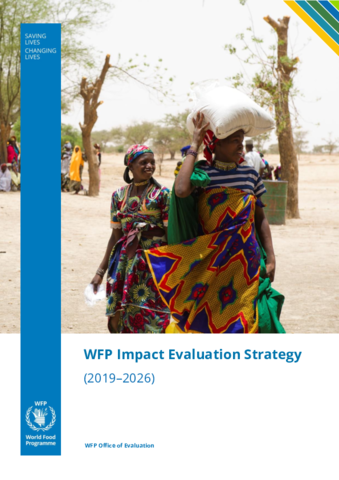
The Impact Evaluation Strategy, which sits under the WFP Evaluation Policy (2016-2021) and the Corporate Evaluation Strategy (2016-2021), was developed through a process of consultations, workshops and comparative analyses with our partners in other international organizations, including the World Bank, FAO, IFAD and UNICEF, among others.
The strategy had four high-level objectives, to:
- Contribute to the evidence base for achieving the SDGs
- Deliver operationally relevant and useful impact evaluations
- Maximize the responsiveness of impact evaluations to rapidly evolving contexts
- Harness the best tools and technologies for impact evaluation
In 2026, the WFP Office of Evaluation undertook an independent review to assess the Impact Evaluation Strategy's performance against these objectives.
The Impact Evaluation Strategy Review covers the period from the Strategy’s launch in 2019 to mid-2025. Its primary audiences are WFP Office of Evaluation senior management and members of the Strategic Advisory Panel (SAP).
| Document | File |
|---|---|
| Impact Evaluation Strategy (2019-2026) |
PDF | 2.64 MB
Download
|
| Impact Evaluation Strategy Brief |
PDF | 297.1 KB
Download
|
| Impact Evaluation Strategy Brief (French) |
PDF | 248.76 KB
Download
|
| Impact Evaluation Strategy Brief (Spanish) |
PDF | 319.13 KB
Download
|
| Review of Impact Evaluation Strategy (2019-2026) |
PDF | 955.17 KB
Download
|