
5 facts about food security – and why they matter at UNGA
As world leaders gather at the United Nations General Assembly (UNGA) – the main policy-making body of the UN – hunger is rising, climate shocks are intensifying, and humanitarian resources are under pressure.
Here are five facts about food security and global hunger, and the actions WFP is calling for at UNGA.
1. 266 million people are facing acute hunger
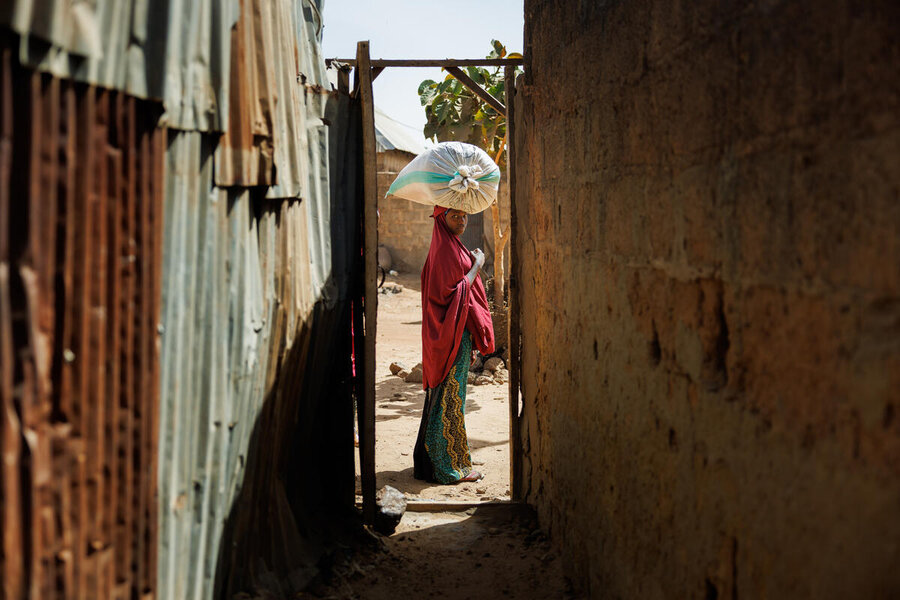
Conflict, climate shocks and economic crises are pushing millions of families into hunger. A total of 266 million people are experiencing acute food insecurity – uncertain of where their next meal will come from and forced to make difficult choices between food, healthcare and other essentials.
Hunger can also contribute to displacement and deepen instability in already fragile communities.
Because conflict remains the leading driver of hunger worldwide, WFP is calling on political leaders to help end conflict, protect civilians and humanitarian personnel, and ensure humanitarian access to people in need.
2. Funding gaps are threatening the fight against hunger
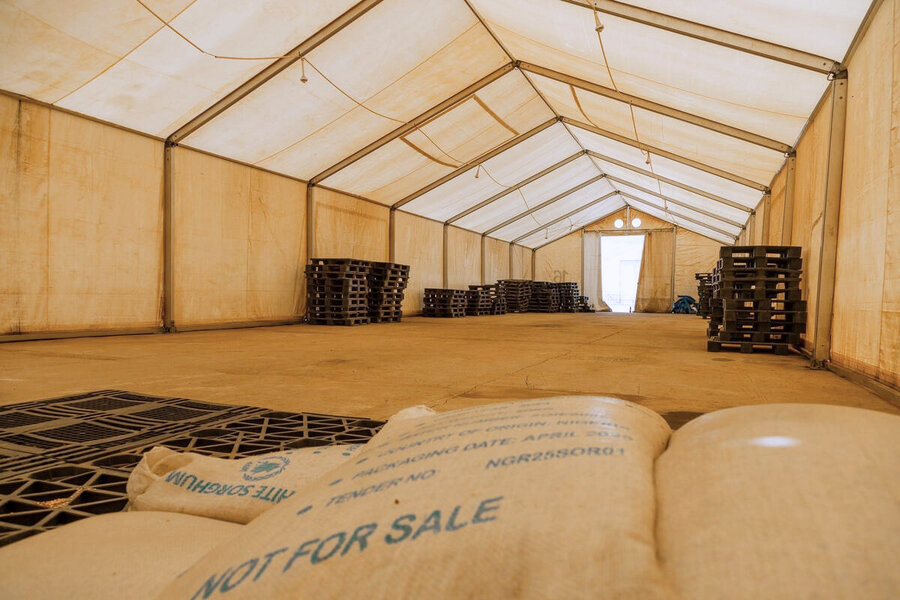
Despite advances in technology, agriculture and global wealth, acute hunger has increased dramatically in recent years. At the same time, humanitarian funding is struggling to keep pace with rising needs.
The result is that humanitarian organizations are increasingly forced to make difficult choices about who receives assistance. Funding shortfalls are forcing WFP to reduce food assistance and scale back operations in countries including Afghanistan, the Democratic Republic of the Congo, Syria and Haiti , even as millions of people continue to face acute hunger. We require US$13 billion to reach 110 million people in 2026.
As needs continue to grow, WFP is calling on Member States and donors to provide flexible and predictable funding that allows humanitarian organizations to respond quickly and reach people facing the most severe hunger crises.
3. 2.6 billion people cannot afford a healthy diet

For many people, the challenge is not the availability of nutritious food, but whether they can afford it – with 2.69 billion unable to fund a healthy diet.
At the same time, 43 million children are acutely malnourished and 150 million children are chronically malnourished, putting their health, development and future opportunities at risk. Yet good nutrition is one of the most effective investments societies can make – improving health, strengthening resilience and helping children reach their full potential. That is why WFP is calling for greater investment and stronger partnerships to help bring proven nutrition solutions to scale.
4. El Niño could push 49 million more people into hunger
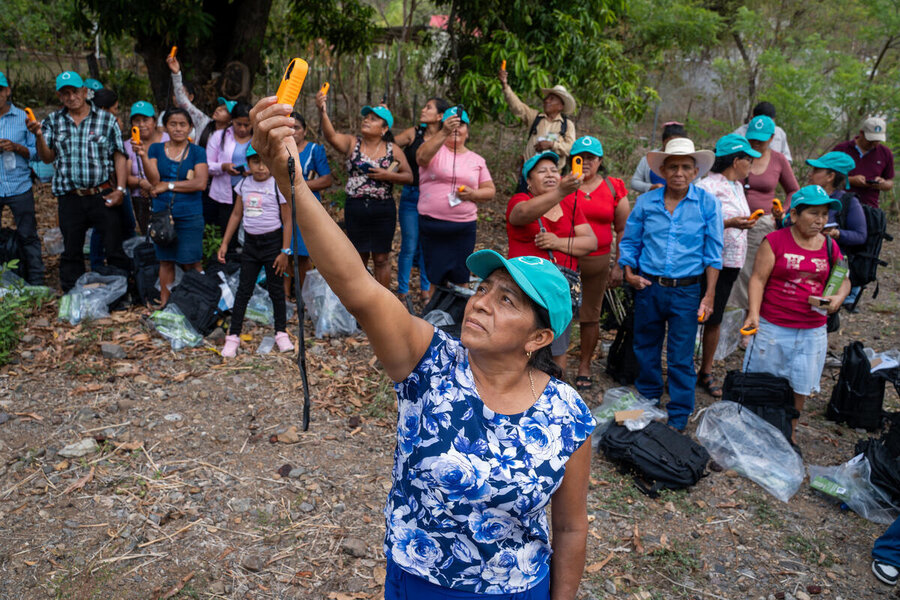
Climate shocks are becoming one of the leading drivers of food insecurity worldwide. The current El Niño cycle could push an additional 49 million people into acute food insecurity by the end of 2027, particularly in regions already affected by poverty, conflict and repeated weather extremes.
The good news is that many climate shocks can be forecast months in advance. This creates an opportunity to act before droughts, floods, storms and other extremes become humanitarian emergencies.
WFP's Anticipatory Action for climate shocks programme use forecasts, early-warning systems and pre-arranged financing to help communities prepare before disaster strikes. In 2025 alone, these efforts helped protect 6.3 million people across 47 countries.
As climate shocks become more frequent and severe, WFP is calling on governments and funders to invest in anticipatory action before predictable shocks turn into full-scale emergencies.
5. Innovation is a key tool in fighting hunger
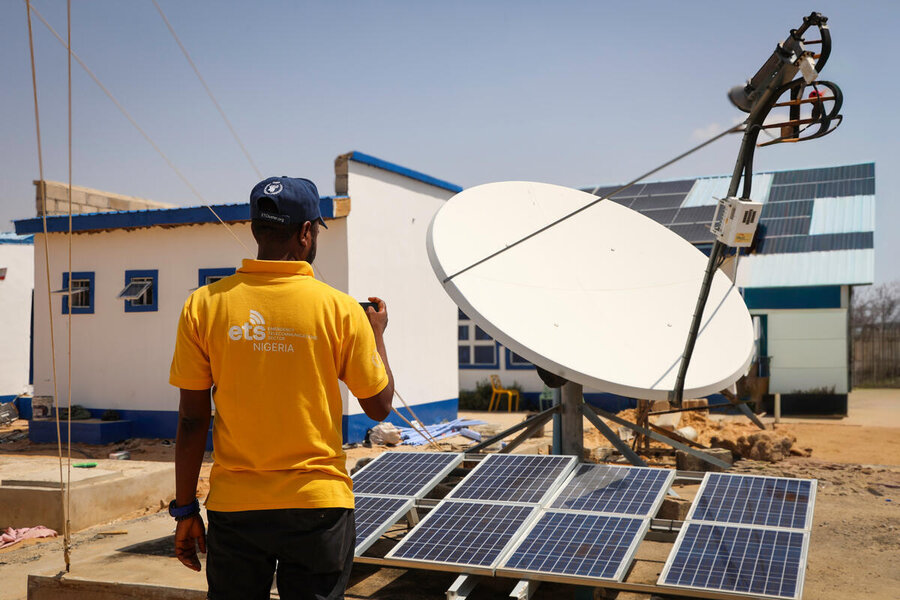
From artificial intelligence and satellite analytics to digital cash transfers, climate-risk insurance and anticipatory action, innovation is helping humanitarian organizations work faster, smarter and more efficiently.
In 2025, WFP-supported innovations reached 132.5 million people across 75 countries and territories, while technologies such as AI and blockchain helped improve efficiency and stretch limited resources further.
The challenge now is scaling proven solutions so they can benefit more people and more communities. That is why WFP is calling on businesses and technology partners to provide the capital, capabilities, technology and expertise needed to bring proven innovations to scale.
Four priorities for a food-secure future
At UNGA, WFP is calling for greater efforts to end conflict and protect humanitarian access, increased funding for the world's most severe hunger crises, stronger investment in anticipatory action, and more partnerships that can scale innovation and expertise.
With the right investments, partnerships and political leadership, it is possible to reduce hunger, strengthen resilience and build a more food-secure future for millions of people around the world.