
The cost of hunger vs. the power of funding
As 2026 dawns, sharp cuts in humanitarian assistance are leaving deep and sometimes irreversible scars on the world's hungriest, most fragile communities. But what if that trend were reversed - what if we had enough funds to turn the tide? We posed that question to World Food Programme (WFP) Country Directors in four emergency hotspots.
First of a two-part series.
Beyond relief - Cynthia Jones, WFP Acting Country Director in DRC
In the Democratic Republic of the Congo (DRC), humanitarian needs are overwhelming. Nearly 10 million Congolese face crisis levels of hunger, including 3 million in emergency hunger. Most live in the restive east, where conflict forces families to flee repeatedly - losing their homes, livelihoods and hope. Malnutrition is rising fast.
If full funding were on the table today, WFP would begin transitioning from crisis response to early recovery in eastern DRC - and towards durable solutions and peace. I’ve learned there is no peace and security without improving food security.
"I’ve learned there is no peace and security without improving food security."
With enough resources, we would scale up: expanding market-based assistance like electronic food vouchers that allow families to choose what they eat. Such assistance stimulates demand for local food production and the private sector - and the conditions for communities to rebuild trust.
We would unlock access where it’s most fragile - opening airstrips and roads to move food and other supplies to communities cut off by insecurity. We would double school feeding, in a broader effort to turn classrooms into safe, predictable places for children to build better futures.
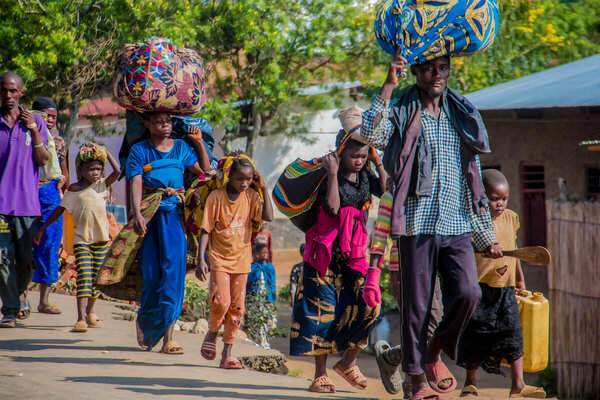
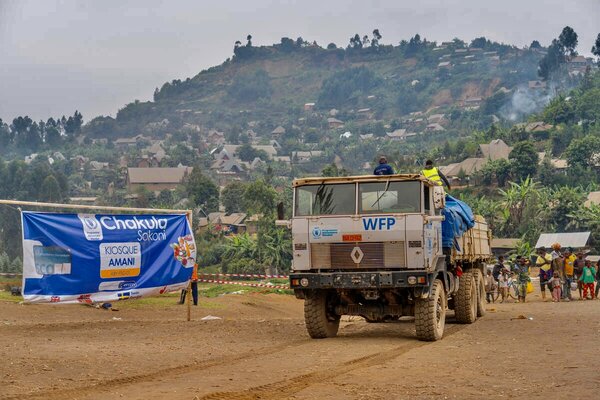
[First 90 days] Funding powers the backbone of our response: airstrips, roads and humanitarian flight corridors. It sustains key actors like local smallholder farmers and millers, and enables the prepositioning of contingency food stocks - and transport across regional corridors to prevent pipeline breaks that can cause food insecurity.
We’ll strengthen community nutrition screening, pair treatment and prevention, and deliver mother–child assistance to those at the highest risk. Accountability will be strict, ensuring assistance reaches the right people.
“This is the fourth time I’ve fled. No matter where I go, the war follows me.”
[Next 6-12 months]: I’ll never forget a mother in the eastern Congolese city of Goma, who told me: “This is the fourth time I’ve fled. No matter where I go, the war follows me.” Her resilience, and that of thousands like her, drives us to do more.
Funding will let us invest beyond relief - into livelihoods, local food processing, and market infrastructure - so assistance becomes a recovery engine. It will allow us to move beyond saving lives to changing lives: empowering vulnerable communities to become the drivers of change.
Families shouldn’t have to limp across the finish line of today’s crisis - they deserve to start tomorrow with enough food, a working market and a reason to believe peace can hold.
Moving the needle - John Aylieff, WFP Country Director in Afghanistan
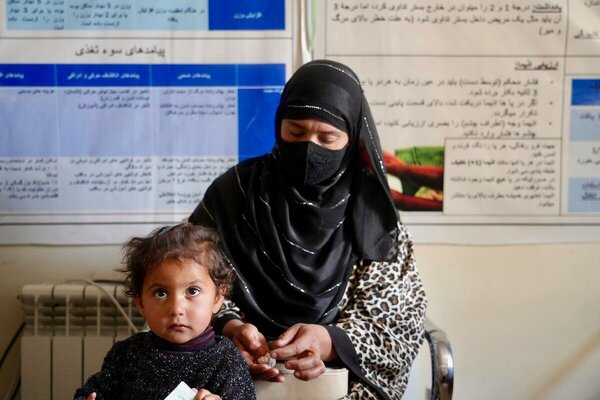
During a trip to northern Afghanistan, I met Zubaida at a small health clinic in the remote town of Ishkashim. Her young daughter, once malnourished, has now recovered, thanks to WFP’s nutritious food. Zubaida described how, in winter, snow piles so high that residents sometimes cannot even open their doors. Entire families are locked in with no food. It is survival in its starkest form.
In a country where one in three people is hungry, timely WFP food and nutrition support is a lifeline. By reaching the most remote communities before they’re cut off by heavy snows, we can ensure families have at least some basic stocks to survive the harsh winter months.
"Our operations - when well-funded - have the potential to halt hunger and malnutrition in their tracks."
We can prevent malnutrition in children, which usually peaks during this period, giving them a fair chance at life. That’s especially crucial today, as Afghanistan - scarred by decades of conflict, and now the compounded shocks of drought and earthquakes - stands at a critical juncture.
With WFP’s deep-field presence, experience and close connection to communities, our operations - when well-funded - have the potential to halt hunger and malnutrition in their tracks. For countless families, this support is nothing short of vital.
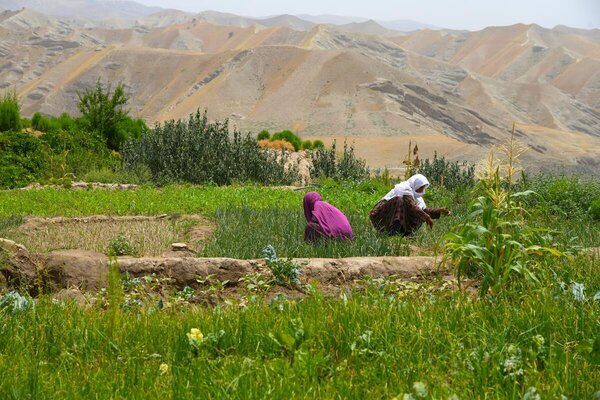
However, to truly move the needle in Afghanistan, bankrolling longer-term solutions - like WFP programmes that build livelihoods and community assets - is essential to create lasting change. A well-funded WFP operation not only prevents hunger and malnutrition, it can help rebuild communities, restore hope and lay the foundation for lasting stability.
A case in point: a 10 km road WFP built in eastern Nuristan Province, providing a remote, mountain community easy access to market. As community elders wrote us in a letter, the road has been transformative.
"Investing in WFP delivers much more than hope. It gives Afghans the tools not just to survive, but to thrive."
A WFP-supported canal, irrigating 240 hectares of farmland in parched, northeastern Kohna Qishlaq village, has been equally life-changing for farmers like Shakila. She and other growers now cultivate a variety of vegetables, adding diversity to their diets and extra income from selling the surplus - at a time when drought grips half the country. For Shakila, this means helping to provide for her four children.
These and many more examples show how investing in WFP delivers much more than hope. It gives Afghans the tools not just to survive, but to thrive.