
Winter in Afghanistan: Women and girls in the front line as hunger deepens
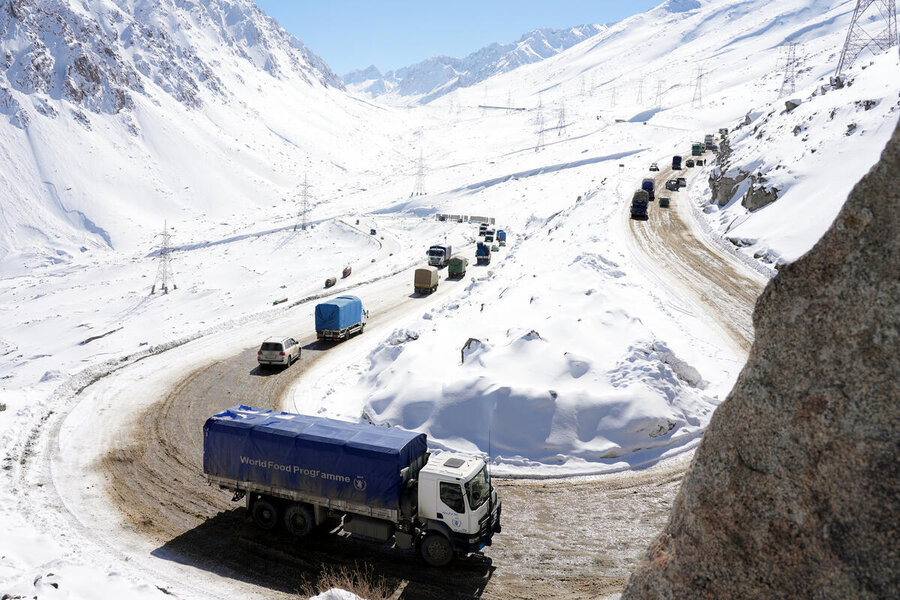
As winter sets in across Afghanistan, so does dread. “There’s usually a peak in child mortality in December and January, even in a good year, when temperatures plummet,” said John Aylieff, Country Director for the World Food Programme (WFP) in Kabul.
“This year it’s going to be devastating.”
Malnutrition has surged to record highs after the worst drought in decades torched crops for millions of farmers, with two serious earthquakes and the forced returns of migrants from Pakistan and Iran deepening the country’s struggles with food shortages and poverty.
‘Many families cut from WFP assistance are forced to sell their daughters into early marriage’
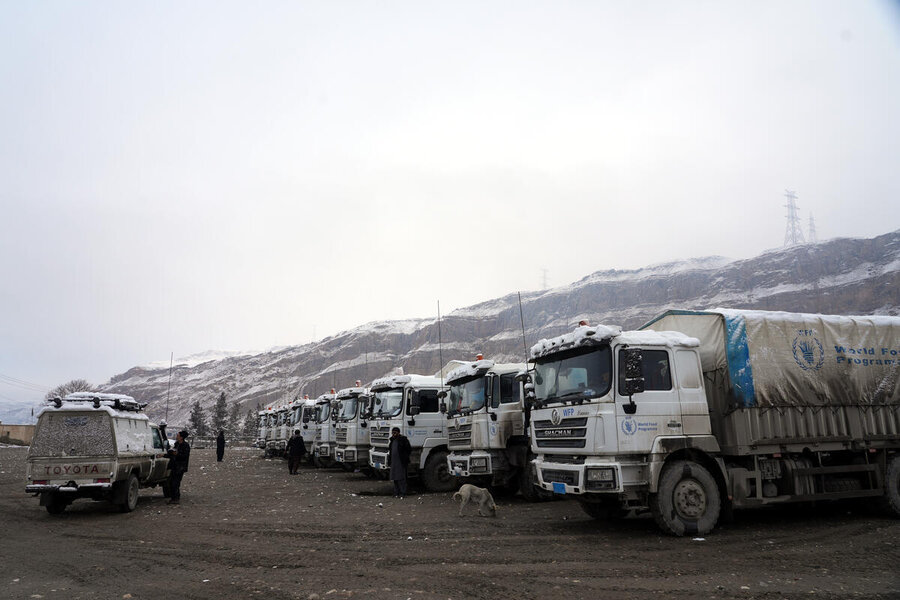
“You’ve got this widespread drought and almost no household food stocks ready for winter,” said Aylieff. In recent weeks he has visited parts of the country that will be “cut off by snowfall for the whole winter” - which lasts six months in some areas.
Vast crop losses have hit rain-fed wheat farmers particularly hard. Pomegranates, figs, mulberries, melons and watermelons that would normally roll into markets in Pakistan have fallen victim to “low water tables” and the closure of borders.
“I spoke to a fruit farmer in Kandahar who’d lost 90 percent of his income compared with last year,” Aylieff added.
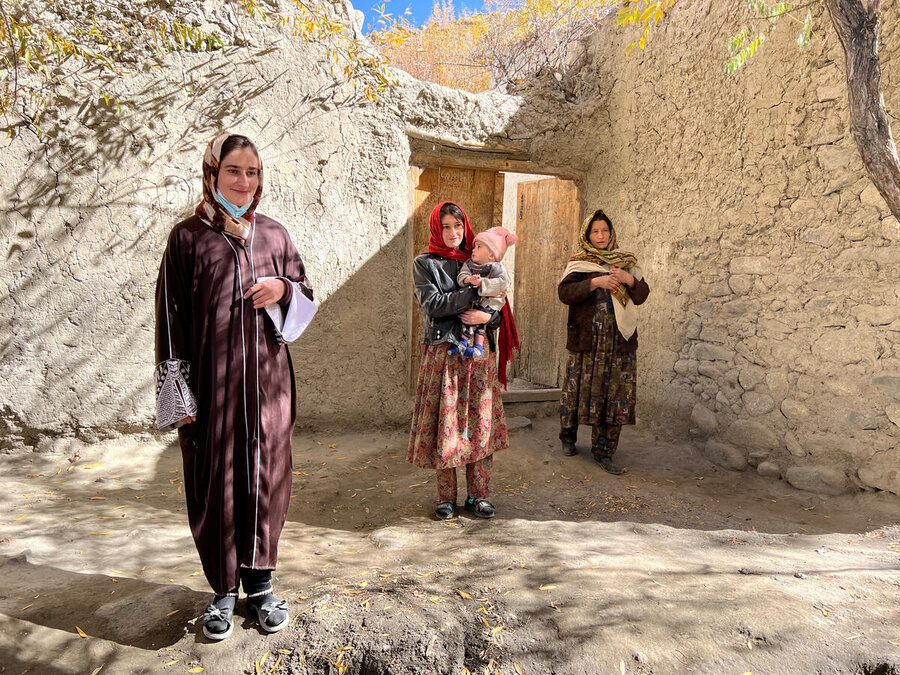
“We’ve now got more than 17 million people in IPC Phase 3 and above”, according to figures released today (16 December). That is the Crisis stage on the Integrated Food Security Phase Classification, or IPC, and a rise of 3 million on the 14.8 million people in that position last year. “That’s one in three Afghans experiencing acute hunger, with 4.9 million women and children needing malnutrition treatment in the coming months.”
The scale of funding cuts means “this is the first time in decades there’s going to be no significant international food response as the temperature plummets,” Aylieff added.
WFP urgently requires US$468 million to deliver life-saving food assistance to 6 million of Afghanistan’s most vulnerable people.
In some communities, WFP has “scraped together resources to pre-position some food stocks before the snowfall cuts roads” because “we’re only 12 percent funded for winter.”
“You were distributing in our communities and now you’re not,” Aylieff recalled being told as he had visited communities on the brink, pointing to another lifeline people have lost – in 2023 funding shortfalls meant WFP had to cut aid to 10 million people.
He added: “This dramatic decline is absolutely devastating because food assistance has been, particularly since 2021, the lid on hunger and malnutrition. And now that lid’s been taken off in the most brutal manner.”
In households cut from WFP food assistance, 90 percent have entered “negative, destructive coping mechanisms”: selling belongings, tools, farming equipment and other productive assets.
Social consqeuences are huge. “As hunger rises and assistance is cut, child labour goes up,” said Aylieff, with many families withdrawing their children from school.
He added: “The impact on women is nefarious,” with the unthinkable becoming increasingly commonplace as families cut off from WFP assistance are “forced to sell their daughters into early marriage.”
In the Central Highlands, the road to clinics where pregnant women, mothers and children aged under 5 might receive critical nutrition is made invisible by snow every year. There is no hope of trekking there in three to five hours - a journey some undertake in better weather only to be told, “I’m so sorry, there’s no more food this month – the World Food Programme is poorly funded. We can’t assist you or your child,” said Aylieff.
“It’s unacceptable but it’s happening all over the country. We don’t have enough money to feed even the malnourished. And we all know what happens to a malnourished child, or a malnourished pregnant mother, without treatment.”
Aylieff added: “We can prioritize, hyper-prioritize – all the things we are asked to do. But when you go into a community and can only feed 10 percent of those who need assistance, it’s devastating. Heartbreaking for us, but worse for the population, particularly women and children.”
A WFP hotline was set up in 2011 for people to report issues, provide feedback, and access information transparently and safely. “Someone called our hotline a few weeks ago,” Aylieff explained, a mother who said she wanted to take her own life. “As the food situation got tighter, her husband became more violent. They’d had to sell their 12-year-old daughter to a 40-year-old man known to have a drug addiction, just to put food on the table.”
Calls from Afghan women threatening to die by suicide are rising. “These are the women the world pledged unwavering solidarity to. Those same women are watching their children succumb to hunger this year.”
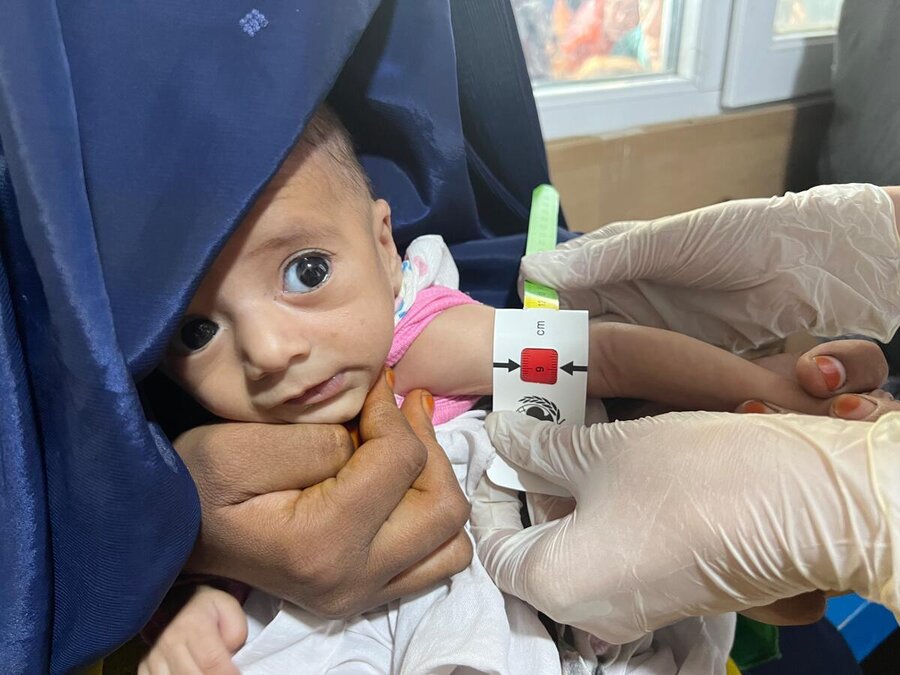
The surge in malnutrition among pregnant and breastfeeding women is unprecedented – 30 percent more admissions compared with last year. “It suggests mothers are sacrificing their own nutrition to feed their children in households hit by cuts, drought and loss of remittances.”
In contrast to many contexts in which WFP operates, access – insofar as permissions are concerned – is not an issue.
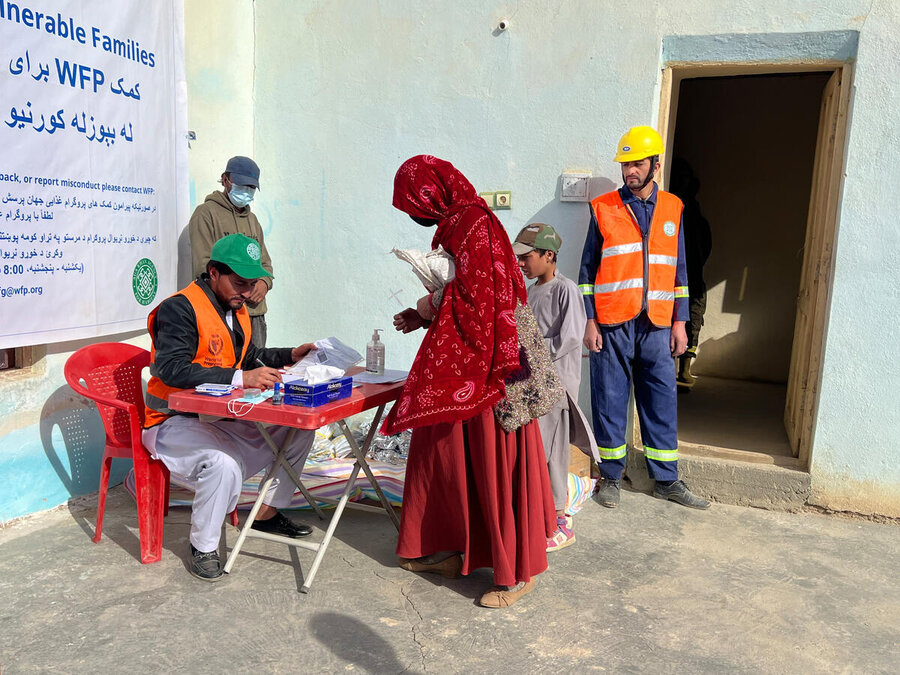
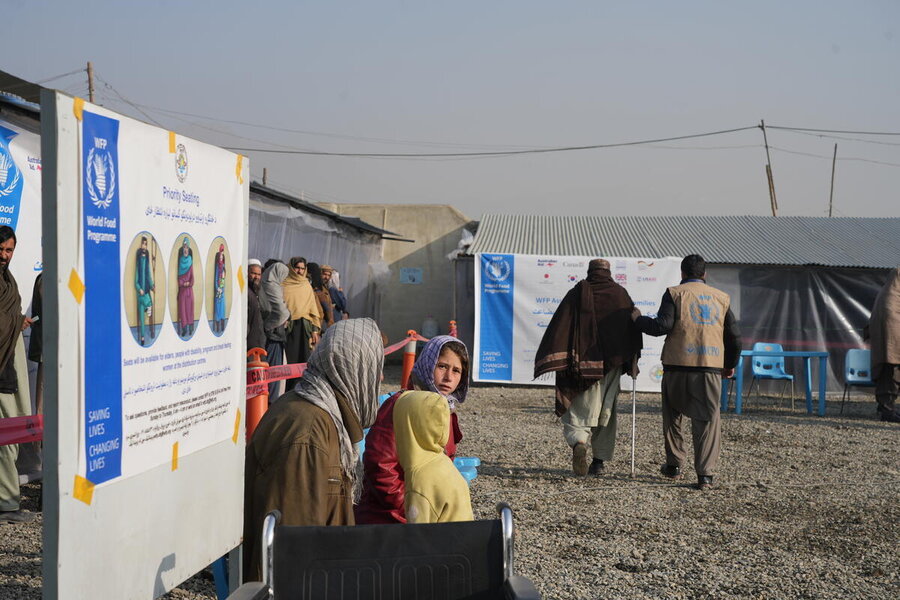
“WFP distributes through about 4,000 to 6,000 sites – Afghan women have access to 95 percent of them,” said Aylieff. “The Taliban are not stopping any women from accessing WFP food assistance.
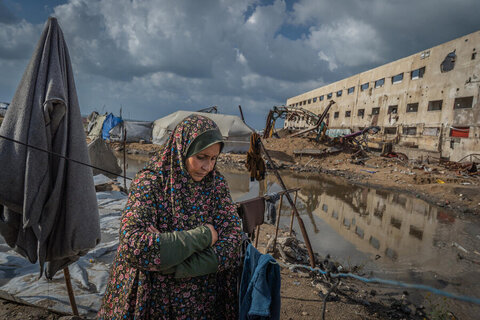
Lessons from the rains: Call for unfettered access to tackle winter hunger in Gaza
“Women also choose to come [to distribution centres]. We focus a lot on widows bringing up children. Ninety-eight percent of them choose to come themselves to collect aid. Some send an alternate depending on the day.”
He added: “There is a shrinking space for women in general – work, education, humanitarian female staff – but our female staff are still out there on the front lines, and so are NGO female staff.”
In a country where many are dependent on money sent home from relatives working abroad, the implications of Iran and Pakistan forcing migrant workers back are grim.
“About 2.5 million people have been forced across the border since January alone, and in the past two years around 4.8 million – which is 10 percent of the population,” said Aylieff. “Can you imagine? A country where you suddenly have 10 percent more people to feed. Remittances were a lifeline for the poorest families, and they’re gone in one fell swoop.”
In terms of donations, WFP is seeking all the help it can get.
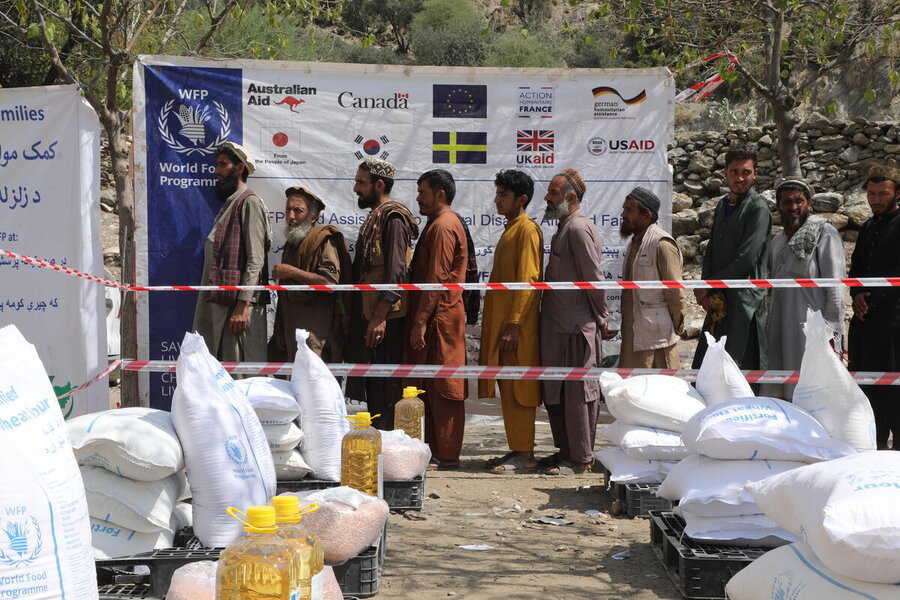
“We talk to traditional donors who are doing all they can,” said Aylieff. “They’re stretching but they can only go so far. We’re appealing to anyone – high-net-worth individuals, foundations, donors that may not have thought of supporting Afghanistan in the past. This is the Afghan people’s hour of greatest need. Donors have worked with WFP to save countless lives for decades, especially during periods like winter when hunger peaks. Now there’s so little to go around.”
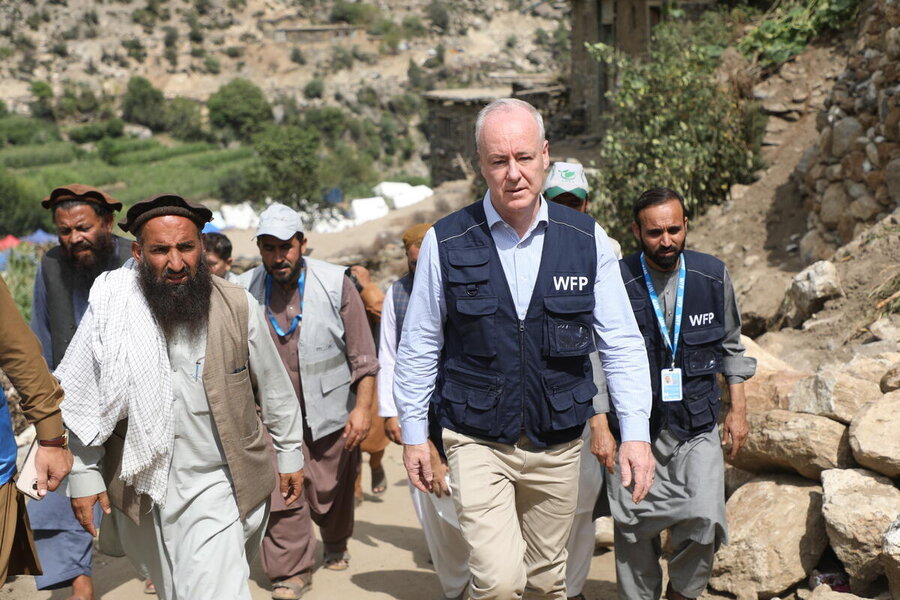
Visiting communities in the Central Highlands, Aylieff said: “I asked these people, winter’s coming – what are you going to do? And they said, ‘We honestly don’t know how we’re going to make it.’”