
The cost of hunger vs. the power of funding: Part 2
Beyond the next storm - Wanja Kaaria, WFP Country Director in Haiti
Hurricane Melissa had just torn through the coastal town Petit-Goâve when I visited in November. I met a farmer who lost all his livestock; a woman with a broken leg and no money for treatment; a mother grieving the loss of four children.
Nearly two dozen people were killed when a river burst its banks. Homes were buried in mud and debris - lives and livelihoods washed away in an instant.
Hurricane Melissa "exposed the true cost of underfunding."
Melissa struck a country already in crisis. More than half of all Haitians are acutely food insecure. Armed groups control around 90 percent of the capital, along with large swathes of Artibonite and Centre, cutting supply lines and displacing more than 1.4 million people. Economic collapse and political instability continue to push families closer to the edge.
The storm did more than destroy homes - it exposed the true cost of underfunding.
For years, WFP Haiti has been forced to operate in reactive mode, constrained by short-term, insufficient financing. Predictable and sustained investments would allow WFP to save lives while also building communities’ resilience to shocks - instead of being locked into a cycle of crisis, response and relapse.
WFP’s action plan for Haiti was designed to break that cycle - both saving lives and addressing hunger’s root causes over four to five years. But we never received enough multi-year funding to implement it at scale or allow it to deliver lasting results. Haitian families pay the price, again and again.
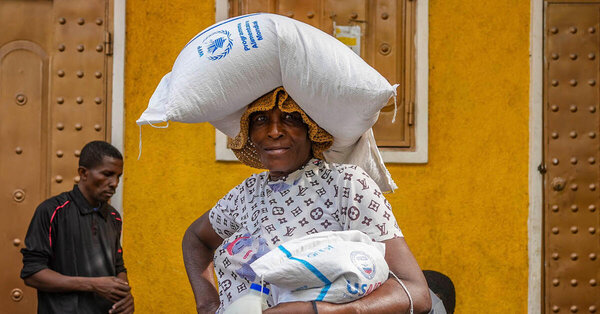
Yet, where early investment is possible, it works. Ahead of Melissa, WFP partnered with the Government to send 3.5 million early-warning text messages. Anticipatory cash reached nearly 50,000 people in southern Haiti, helping families prepare before the storm hit.
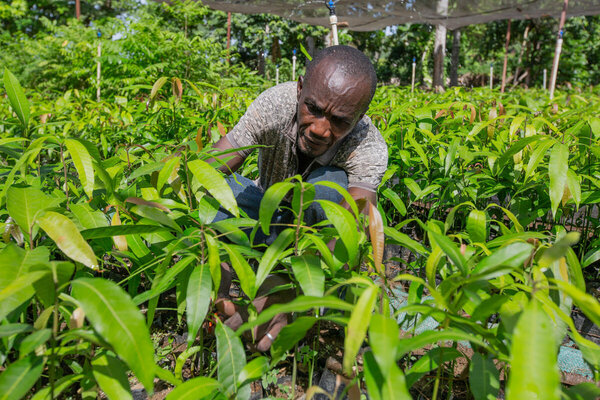
WFP also supports local food production - purchasing farmers’ harvests for school meals and investing in community infrastructure that protects land and water.
Still, these gains remain fragile.
"Investing in Haitians is not charity; it’s smart economics."
At current funding levels, WFP can assist only those facing emergency [levels of] hunger - just one step from catastrophe. This is the most expensive way to operate: intervening late, at the highest human and financial cost.
Fully funded, WFP could reach more people and intervene earlier. Investing in Haitians is not charity, it’s smart economics. Every dollar invested early saves US$7 later on. It also saves lives, strengthens resilience and reduces the scale and cost of an emergency response when the next crisis - in whatever form - inevitably arrives.
Imagining a different Somalia - El Khidir Daloum, WFP Country Director
Somalia is at a crossroads. Years of drought, conflict and displacement have pushed 4.4 million people - nearly a quarter of the population - into acute hunger. Half of all Somali children are malnourished. The window to prevent catastrophe is closing fast.
Today, funding shortfalls mean we can only reach one in ten people in need. If new funds don’t arrive soon, all WFP support will halt in March, placing millions of lives at risk.
"The window to prevent catastrophe is closing fast."
During a trip to the southwestern town of Dollow, I met Hawa, a farmer and mother of 11. Six years ago, she left her home of Luuk, some 70 km away - not by choice, but to survive. “I came here afraid for my life,” she told me quietly, describing a mix of parched weather and unrest forcing her to flee. This is the story of millions across Somalia affected by conflict, insecurity and a merciless drought.
But imagine a different Somalia. Imagine if we had the resources to act now - to reach the most vulnerable Somalis with a lifeline of food assistance when they need it most. They would be not left to wonder where their next meal will come from.
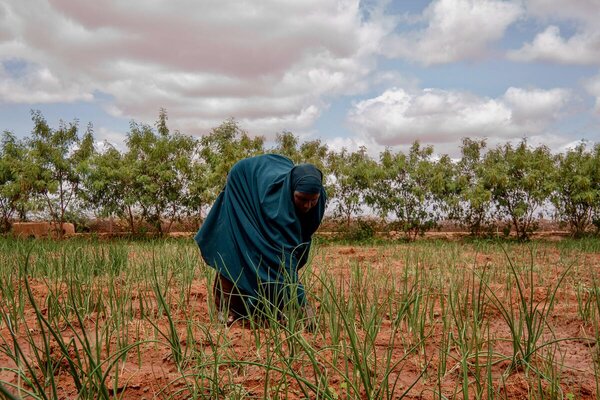

That was the case of Hawa, who received a small WFP cash grant and food aid when she arrived at a displacement centre in Dollow. That support continued until she was stable enough to be included in one of our early recovery projects, which taught her to farm. Today, Hawa no longer needs WFP support. Her onion and tomato harvests are enough to feed her children; she sells the rest at a tiny kiosk.
In Dollow, I also saw how malnourished women like Ramo, a mother of five, benefit from WFP’s nutrition treatment, which can prevent complications during pregnancy and support healthy breastfeeding. Our nutritional products also help to save young lives, in a country where close to 2 million children are severely malnourished.
Breaking the cycle of hunger and poverty is possible - "but only if the international community acts today."
If we had the funds, WFP would continue to deliver this kind of timely assistance to those who need it the most - but also longer-term solutions. Enough resources would ensure young students eat our nutritious school meals every day, for example, giving them the strength to continue their education. They would support climate-smart agriculture for farmers to rebuild livelihoods decimated by shocks - breaking the cycle of hunger and poverty.
This future is possible. But only if the international community acts today - to give the people of Somalia a roadmap towards food security.