
Cyclone Ditwah updates: WFP at hand as Government of Sri Lanka leads response
Updated: 3 December, 12:10 CEST
The World Food Programme (WFP) is supporting the Government of Sri Lanka in the wake of Cyclone Ditwah, which devastated large areas of the country at the end of November.
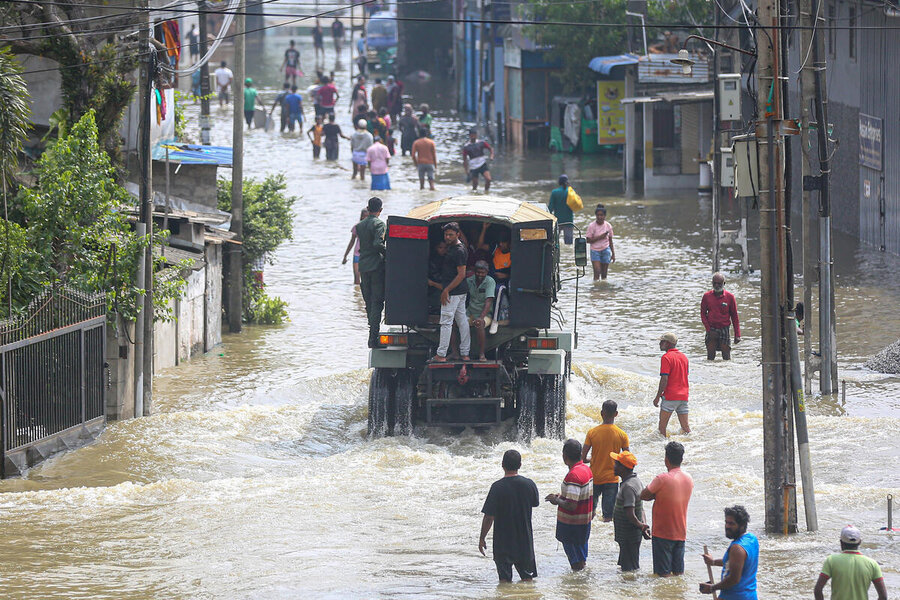
Sweeping across Sri Lanka's eastern and southern coastline on Saturday (28 November), intense rainfall and winds the following day caused floods and landslides across its nine provinces - prompting the Government to declare a state of public emergency as it leads the national response.
To date, more than 650 people are confirmed to have died, with over 360 people missing.
“People are cut off from livelihoods, farms are underwater, crops are gone and prices in the markets are soaring,” said Philip Ward, WFP’s Country Director for Sri Lanka. “Food shortages are looming. Women, children and entire families risk going hungry.”
As search-and-rescue teams attempt to reach cut-off areas, “our teams are deploying sandbags and water tanks”, he added.
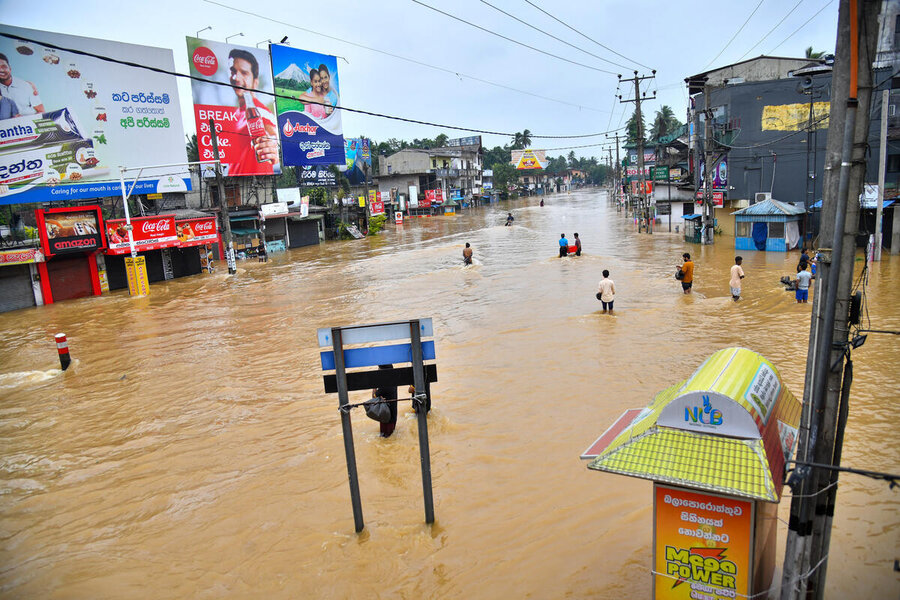
More than 1.5 million have been affected altogether, with families losing crops and access to the basics. Close to 21,000 homes have been damaged.
“We are working with partners to reach isolated communities with life-saving assistance,” Ward added. “But the scale of this disaster demands urgent resources to prevent a hunger catastrophe developing.”
In the worst-hit of Sri Lanka’s 25 districts – Gampaha, Colombo and Puttalam – damage to roads, bridges and power infrastructure continues to block humanitarian access.
Thousands of packs of fortified biscuits and other food relief items are expected to arrive to provide families with immediate nutrition.
WFP is also delivering emergency equipment – water tanks, diesel generators and submersible pumps – to boost operations on the ground.
We are working with the Government and UN partners to support ongoing assessments and prepare increased assistance to the hardest-hit families.