
Hunger surges in the West Bank as families lose land, livelihoods and hope
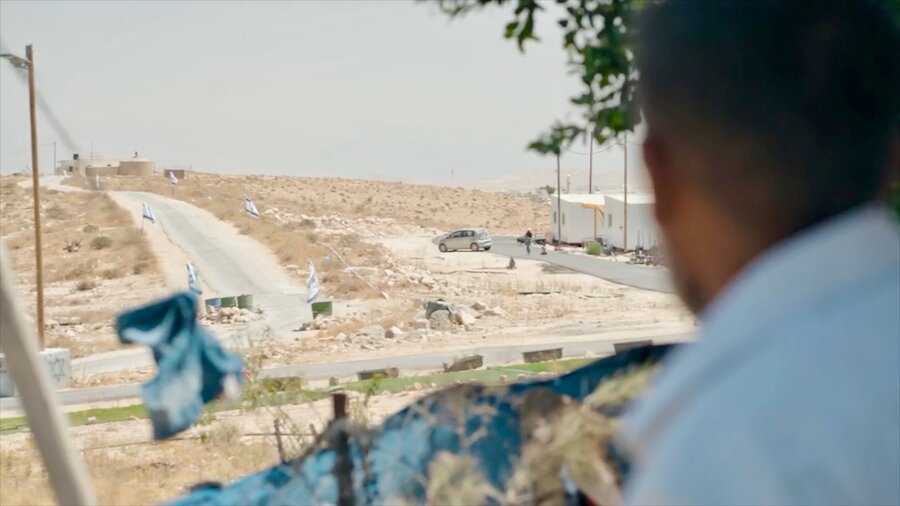
Salem al-Hathaleen looks out over the sprawling southern Hebron Hills of Palestine’s West Bank, zooming in on the row of pristine white temporary caravans, no more than 200 metres from his home. His walnut, sun-drenched skin gathers above his brow, forming a deep frown.
“This is our land,” says Al-Hathaleen. “We have lived here for as long as we can remember. I grew up here with my father and my grandfather. All our lives and all our childhood memories are tied to this land.”
Now, like many Palestinians in the West Bank, the 53-year-old herder is cut off from the land that sustained his family for generations. Al-Hathaleen’s small village of Um al-Kheir is part of a military zone. His wife and eight children are prevented from accessing the toilet outside his home because of this.
“At a time when we should be scaling up assistance to reach more people, we are forced to make difficult decisions and prioritize the most vulnerable.” – Shaun Hughes, WFP Country Director for Palestine
Since the war in nearby Gaza broke out in 2023, an increasingly volatile security environment has plunged West Bank families like Al-Hathaleen’s into crisis. With communities facing intensified movement restrictions, housing demolitions and widespread population displacement, hunger has doubled to affect nearly a million people. Yet even as needs soar, funding cuts are forcing WFP to halve food assistance starting this September to reach just 200,000 people across the West Bank.
“Families who were once thriving and earning a living from their land have been forced from their homes, had their livelihoods destroyed and are unable to move freely,” says Shaun Hughes, WFP Country Director for Palestine. “At a time when we should be scaling up assistance to reach more people, we are forced to make difficult decisions and prioritize the most vulnerable.”
No food, no safety
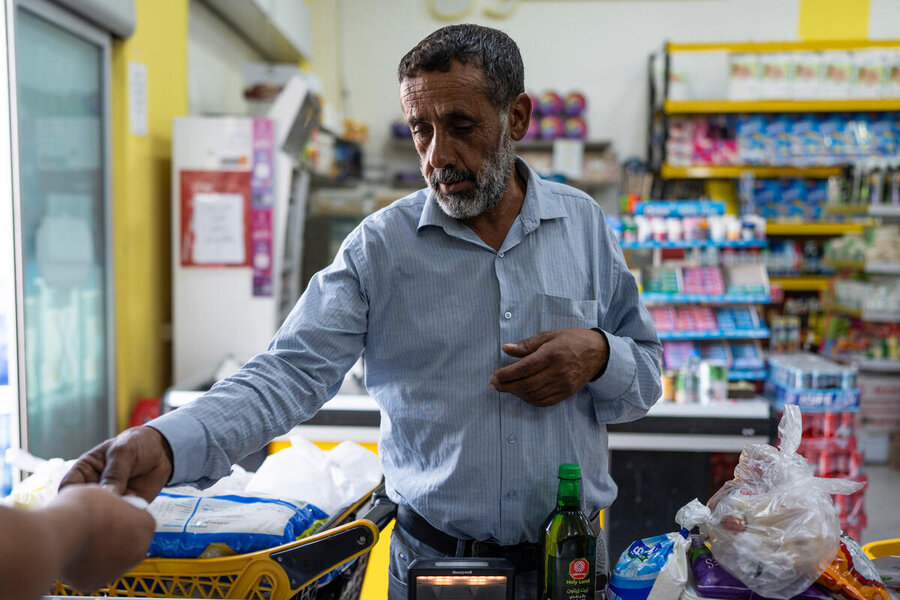
Al-Hathaleen’s story reflects the broader spiral into hunger unfolding across the West Bank. A member of Palestine’s Bedouin herder community, he and his family have long earned a living from their livestock. “For me, ever since I was born, we have had sheep,” he says. “We used to raise them and take them out to graze.”
But over the past two years, he has been barred from accessing his grazing lands. “I had no choice but to reduce the number of sheep” to make ends meet, he says. “I have gone from having 150 sheep to just 3.”
Al-Hathaleen’s family now rely on WFP’s monthly food parcels of wheat flour, lentils and cooking oil, along with vouchers of US$16 per person in the family, to buy other necessities at participating stores.
“It is an extremely painful feeling for many reasons,” Al-Hathaleen says. “First, you feel helpless. You can’t provide your children with even their most basic rights. Second, you can’t even guarantee that they can sleep peacefully and feel safe.”
Many other Palestinians are facing similar hardships. Across the West Bank, over 3,800 Palestinians have been displaced so far this year, the United Nations finds. Rising settler violence, demolitions and evictions are pushing families like Al-Hathaleen’s into crisis – a trend that has been steadily worsening since the start of the Gaza war, but particularly this year.
A crippling economic downturn is exacerbating matters. Unemployment in the West Bank has more than doubled to 30 percent since 2023. Falling incomes, delayed public sector salaries and rising reliance on credit are all forcing families to sell off livestock and other assets, or skip meals to survive. WFP’s most recent food security analysis shows more than a third of people in the West Bank are struggling to meet their basic needs and afford a nutritious diet.
"If the assistance stops, I truly don’t know what will happen to us.” – Bedouin West Bank herder Salem al-Hathaleen
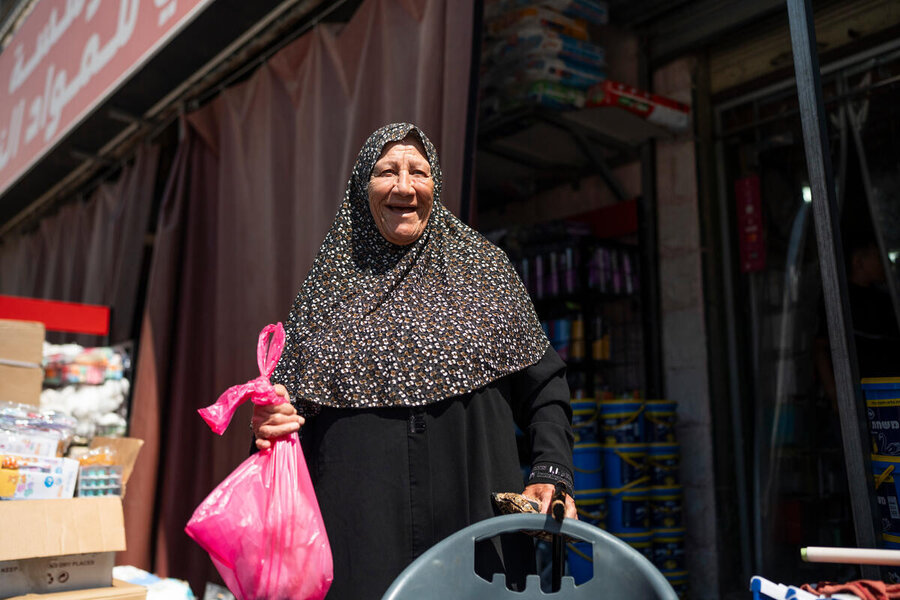
Throughout the deepening crisis, WFP assistance has been a lifeline for many families. Working with Palestinian authorities and UN partners, we have provided regular cash, food, nutrition and livelihoods support to more than 400,000 of the most vulnerable: displaced people, malnourished children and mothers, and Bedouin herder families like Al-Hathaleen’s.
“We’re having to make the toughest decisions now to prioritize only the most vulnerable for assistance – right at the time when we should be scaling up to meet the rising food needs,” says WFP’s Hughes.
“Honestly, it is the only thing keeping us going,” Al-Hathaleen says. “We feel like we are heading down a dark path and we don’t know where to go. If the assistance stops, I truly don’t know what will happen to us.”
WFP urgently needs an additional US$386 million to sustain food assistance for 2 million people across Gaza and the West Bank up to February 2027.