
In DRC's Ebola epicentre, food aid and community outreach help fight a deadly outbreak
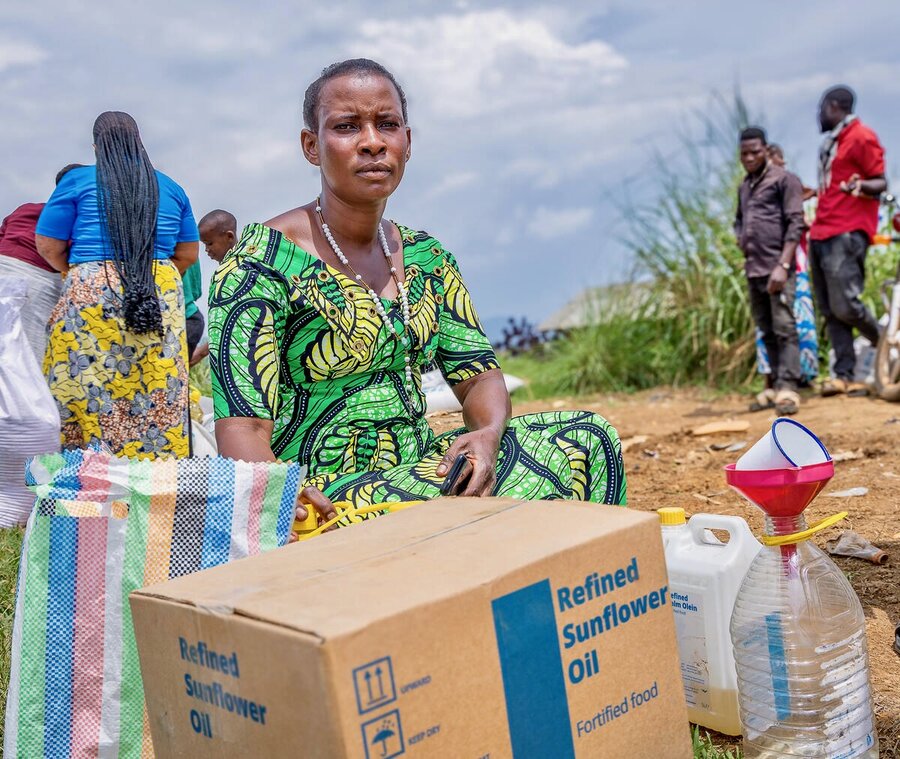
From the eastern town of Mongbwalu, farmer and Ebola survivor Francine knows first-hand the destructive force of a disease that killed one of her children and is devastating communities across eastern Democratic Republic of the Congo (DRC).
The once-bustling mining town where she lives is largely shuttered. In the hardest-hit places, fresh graves are being dug. Farming is no longer possible. Neighbours and even relatives shrink from contact with Francine’s family. Merchants refuse to touch their money for fear of becoming sick.
“Even I am afraid of going to the neighbours,” says Francine. “I spend my days at home and only go out to fetch water.”
Since being confirmed in Mongbwalu last May, DRC’s latest Ebola outbreak has morphed into the world’s second largest on record. Caused by the rare Bundibugyo Ebola virus strain, the disease has sickened more than 10,000 people, killed roughly half of them, and spread to eight Congolese provinces and 66 health zones.
Even as health officials and humanitarian workers race to contain the outbreak, ongoing conflict in eastern DRC, limited aid, restricted access, and mistrust and misinformation about the disease are hampering the response and deepening one of the world's biggest hunger crises.
“Addressing hunger is a key part of the solution,” says David Stevenson, WFP Country Director in DRC. “Food assistance is an incentive for families to seek care promptly and comply with measures that protect their communities.”
How food assistance helps tackle Ebola
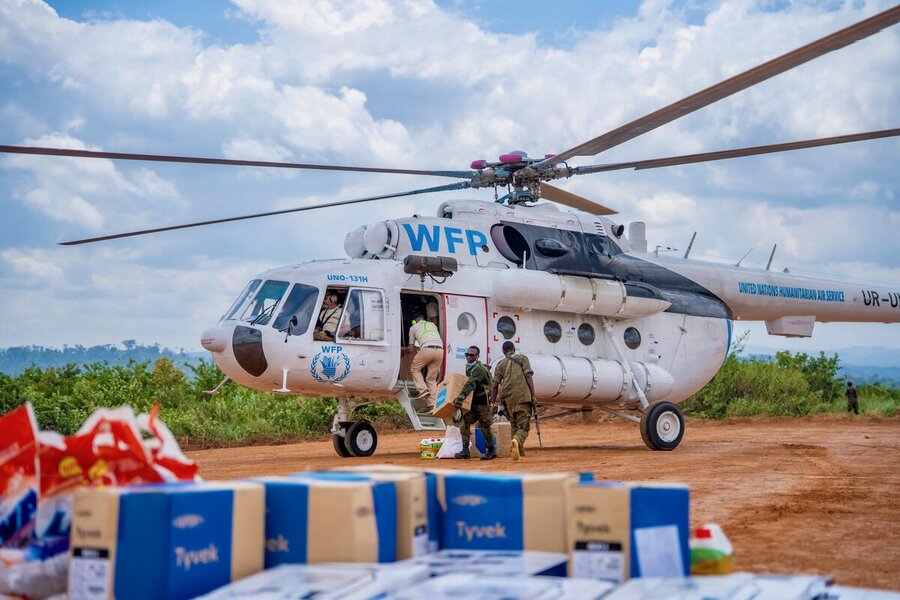
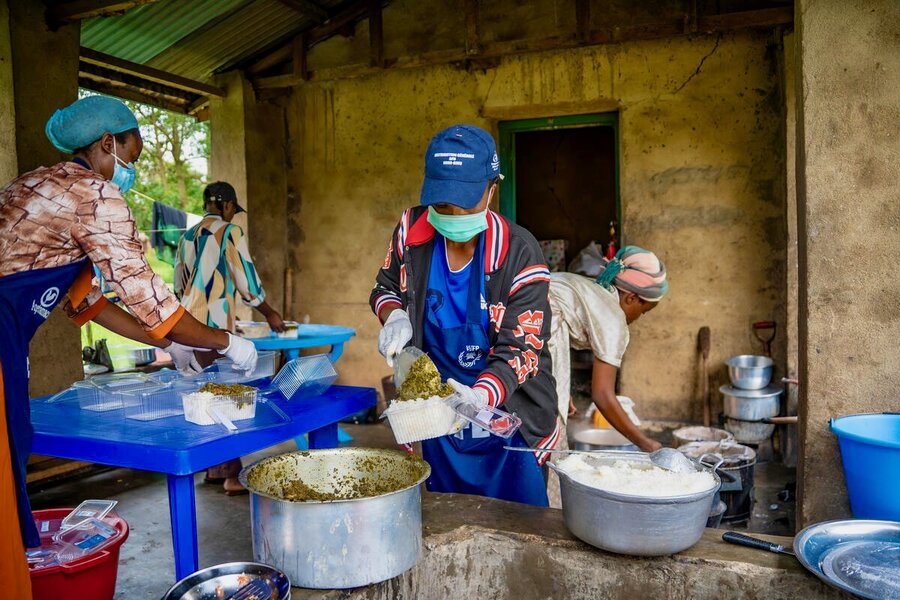
So far, WFP has delivered hundreds of metric tons of food assistance to people most impacted by Ebola, including hundreds of thousands of hot meals to patients, healthcare workers and others on the frontlines of the health emergency. The WFP-operated humanitarian air service, UNHAS, is flying critical supplies and aid workers to Ebola-affected locations.
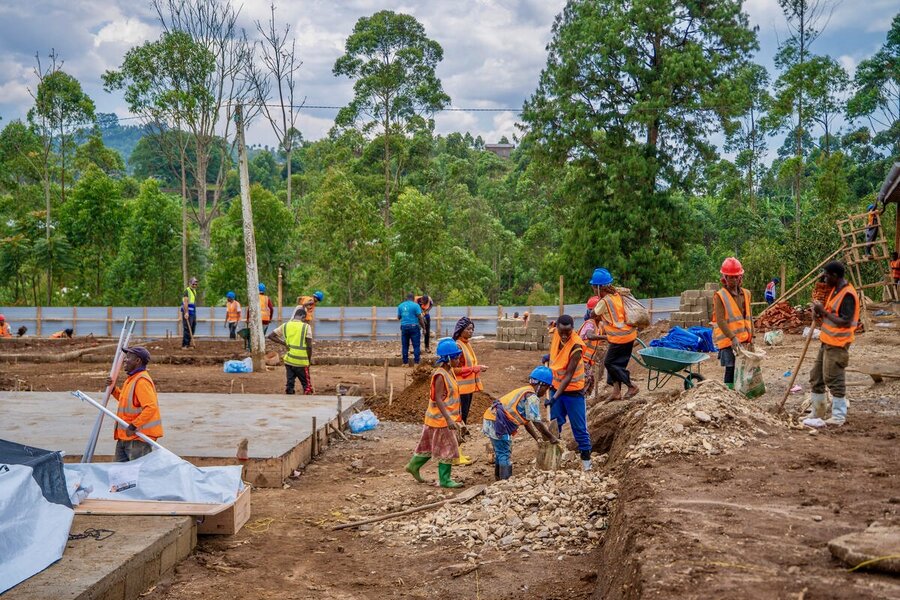
WFP is also building Ebola treatment centres, and providing storage and transport for essential supplies, including personal protective gear and vaccines, to where they’re most needed.
WFP’s assistance plays a powerful role in other ways. In a country where more than 26 million people face severe hunger – including 3 million in Ebola-affected areas – our food support provides a cushion for survivors and patients, encourages less movement of people in search of food, and provides an incentive to seek and follow treatment.
“If you can’t feed your family, it’s very difficult to follow health measures that are vital to interrupting Ebola’s transmission,” WFP’s Stevenson says.
Surviving Ebola in DRC
A mother of seven, Francine was among the first in Mongbwalu to contract Ebola. Sitting in a dusty compound, she describes falling sick in April, a month before the first cases were officially confirmed.
“I didn’t know it was Ebola,” she recalls. “When I left the hospital, I thought I was cured. I didn’t realize it was still in my body.”
When she contracted Ebola a second time, three of her children also fell ill. “We were very sick,” she says, describing vomiting and especially diarrhoea. “By God’s grace, we are alive today.”
But one of Francine’s children did not survive. Later, she fostered the baby of a couple who died from Ebola. “The family gave him to me for adoption,” she says. “With this baby that I’m taking care of more and more, we’re again a family of seven children.”
Life remains difficult. Ebola, along with ongoing violence, has disrupted farming that put food on her family’s table. And like many Ebola survivors, Francine’s family faces stigma.
“People on our street began to be very fearful of us,” she says. “They even forbid their children to play with mine, because they are afraid they will fall sick.”
“WFP has helped us enormously,” Francine adds of WFP food assistance that includes rice, oil, pulses and salt.
Building trust in Ebola-affected communities
Like Francine, Deogratias contracted Ebola early on in April, after visiting patients to offer support. He also became one of the town’s first Ebola patients to recover.
Today, the teacher and community church leader credits food assistance for helping local residents to accept health workers and measures aimed at fighting the virus. “This aid has reduced our expenses,” Deogratias says, as he awaits a WFP food distribution. “I think it’s also convinced the people from Mongbwalu.”
The turnaround has not been easy. “At the beginning, they thought those people came to kill us,” Deogratias says of the local reaction to health and other aid workers. “Now, they understand these workers come to help us.”
Francine agrees local attitudes are changing. She and her family are careful to wash their hands. And she is warning fellow Mongbwalu residents about the dangers of contracting the virus.
“My message is Ebola can kill,” she says. Slowly, she believes, local attitudes are changing – and the food assistance is making an impact.
“As more sick die, some people are realizing what I say is true,” she says. “And they’re beginning to send suspected family members to the hospital.”
WFP's Ebola response in the DRC is made possible thanks to support from Canada, Japan and the United States of America.