
2026 Ebola outbreak: Key facts, symptoms and why it’s driving hunger in Africa
What is Ebola and how does the virus spread?
Ebola is a severe and often fatal viral disease with an average death rate of about 50 percent. It takes between 2 and 21 days for symptoms to appear – which initially can include sudden fever, intense weakness, sore throat and muscle pain, and later vomiting, diarrhoea and sometimes major bleeding.
It was first identified in 1976 in the former Zaire – now DRC. The virus likely originates in bats, spreading to humans through contact with infected animals, including bushmeat. It then transmits between people via direct contact with the bodily fluids of infected or deceased individuals.
What are the different types of Ebola virus?
There are five known species of Ebola. The Zaire species – named after the country where the virus was first identified – is the most common and deadliest. The current outbreak is caused by the Bundibugyo species. Health experts are particularly concerned because Bundibugyo Ebola is rare and difficult to contain. Unlike the Zaire strain, there are currently no approved vaccines or treatments for the virus, making prevention, community engagement and rapid isolation especially important. The seriousness of the outbreak prompted the World Health Organization to declare it a Public Health Emergency of International Concern in mid-May – its highest level of alarm for a disease outbreak. This is the fastest-spreading Ebola outbreak on record, with more than 2,000 deaths since the declaration. Previous outbreaks of Bundibugyo Ebola in Uganda and DRC (2007 and 2012) had fatality rates of 30–50 percent.
How does Ebola affect food security?
Ebola and hunger can reinforce each other with devastating effect. People who are already food insecure or malnourished are more vulnerable to disease and less able to recover from illnesses like Ebola. Outbreaks can quickly drive hunger: farmers may be unable to work their land, markets can close and restrictions on movement disrupt food supply chains. Families often lose income while food prices rise, making it harder to afford basic staples. During the 2014–2016 West Africa Ebola outbreak – the deadliest on record – hundreds of thousands of people were pushed into severe hunger.
This newest epidemic has potentially grim implications for a country like DRC, where 26.5 million people are already acutely food insecure. An estimated 8.7 million people are facing crisis levels of hunger or worse in the most affected eastern provinces. These areas – already marked by conflict, displacement and fragile livelihoods – risk seeing the hunger threat further multiplied by Ebola. Assessments show households struggling to access markets and reporting severe economic losses linked to Ebola-related disruptions.
Where is the current Ebola outbreak happening in 2026?
The 2026 Ebola outbreak is concentrated in eastern DRC. What began in Ituri Province has spread rapidly into North Kivu, South Kivu, Tshopo and Haut-Uele provinces, with cases reported in major urban centres. Human mobility, insecurity and access constraints continue to complicate containment efforts. While first officially confirmed in mid-May, the Bundibugyo strain may have been circulating undetected for weeks, according to health experts. Neighbouring Uganda reported 20 cases and 2 deaths. At the end of July, the Government declared the end of the Ebola disease outbreak in Uganda.
What are the biggest challenges in the current Ebola outbreak?
Multiple factors make this fast-moving outbreak especially hard to contain. While past Ebola epidemics were small and remote, this one affects major cities across eastern DRC, where poor infrastructure hampers response. These disruptions affect not just health, but also livelihoods and food systems, increasing hunger risk.
Persistent conflict also complicates the response by driving displacement that can spread the virus and limit access for health and aid workers. DRC’s weak health system, fear, misinformation, stigma, unsafe burial and other practices, along with communal violence pose further challenges. Border restrictions and supply chain bottlenecks have led to shortages of essential protective equipment and humanitarian supplies. Additionally, significant funding gaps constrain a comprehensive humanitarian response to the growing outbreak.
How is WFP supporting the Ebola outbreak response?
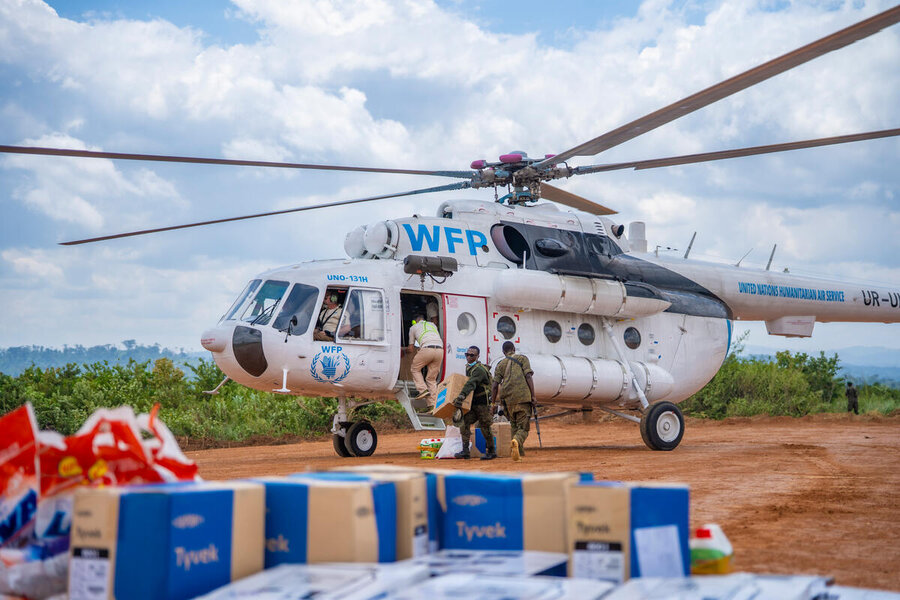
Experts agree that Ebola containment depends not only on healthcare, but also on food assistance, access, transportation, logistics and warehousing – so frontline teams can quickly reach affected communities. WFP is supporting this coordinated response, working with DRC's national authorities and partners, including the World Health Organization, by moving personnel and essential supplies by land and air to hard-to-reach, conflict-hit locations through the WFP-managed United Nations Humanitarian Air Service. WFP can also offer air medevac [medical evacuation] services for infected aid staff. Moreover, WFP is providing emergency telecommunications assistance to our humanitarian partners to strengthen coordination, contact tracing, and to deliver vital support.
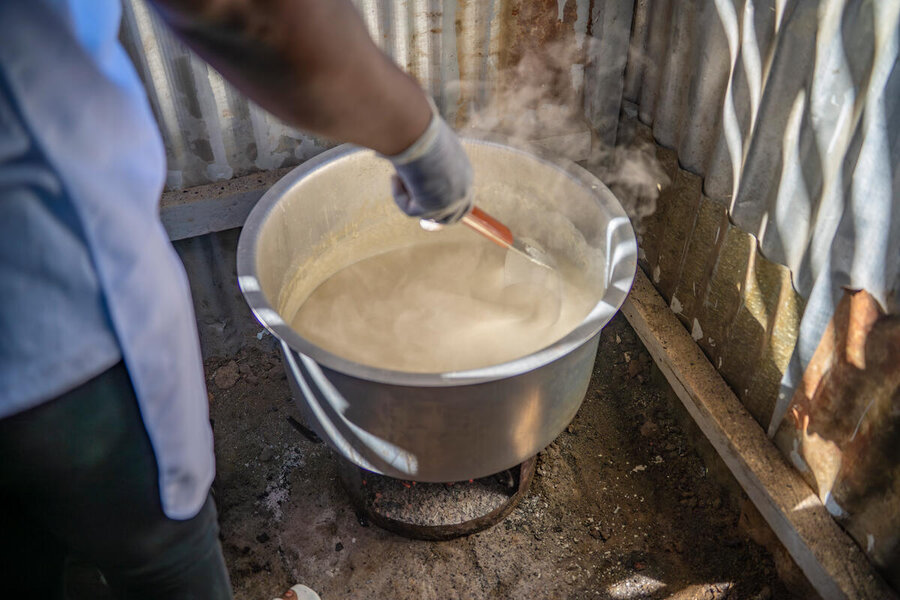
Additionally, WFP is working urgently to prevent a health emergency from becoming a hunger catastrophe. Food insecurity in eastern DRC did not start with Ebola, but it now risks worsening with the virus. WFP is providing hot meals and other food to people directly affected by the outbreak, including patients, caregivers and healthcare workers. Food assistance is not only a humanitarian intervention, it is a public health tool. By helping patients, contacts and quarantined households meet their food needs, assistance reduces the need for movement, supports compliance with isolation measures and helps slow transmission.
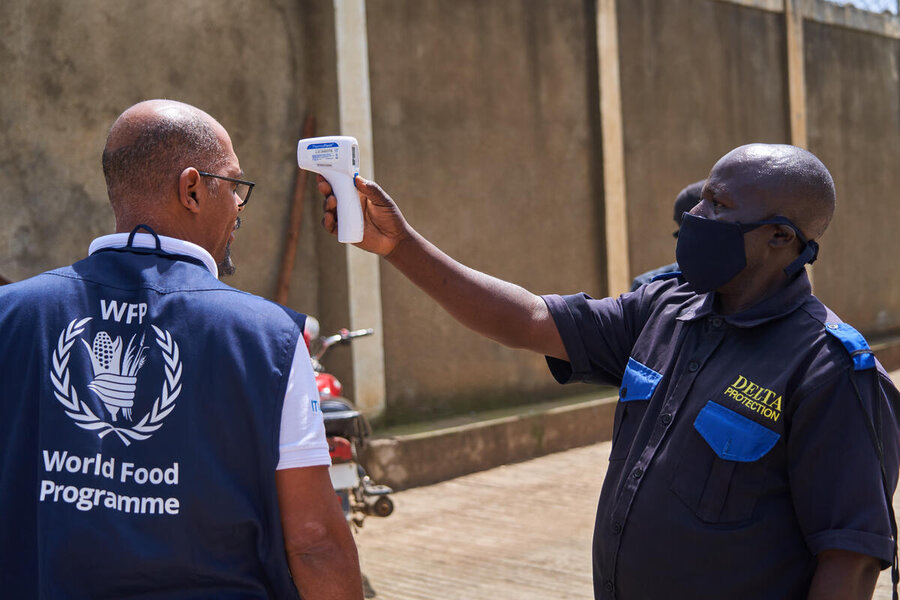
In recent months alone, WFP has delivered life-saving food, cash and nutritional assistance to more than 1 million people across eastern DRC, offering a buffer against Ebolas’s wider aftershocks that go far beyond the direct health impact. At food distribution sites, WFP raises awareness and works with partners to reduce crowding, promote handwashing, and ensure people receive support while mitigating the risk of spreading the virus.
What lessons have been learned from previous Ebola outbreaks?
WFP has extensive experience responding to previous Ebola outbreaks, including the 2014-2016 epidemic in West Africa – the largest to date – and the 2017 epidemic in DRC. WFP played a key role in both responses – providing critical logistics support and ensuring households received food and nutrition assistance so they could safely isolate and break chains of transmission. WFP also provided the response’s logistics backbone, supporting air transport, supply chains, and access to remote areas.
The lessons learned from both underscore that early, coordinated action – combining health, logistics and food assistance – is essential to contain a health emergency and wider humanitarian fallout. They are now being applied today: to move faster, scale more effectively and prioritize the most vulnerable people.
How has the Ebola outbreak affected WFP operations?
The Bundibugyo outbreak significantly affects WFP’s operations in multiple ways. For example, health protocols, along with movement and other restrictions to contain Ebola’s spread, can limit our physical access and slow deliveries of food and other vital assistance. We adapt as the situation demands, shifting to contactless distributions, take-home rations, or cash-based transfers where feasible. These adjustments, combined with the need for protective measures, increase operational costs and complexity.
This Ebola response demands that WFP’s operational scope and workload widens, as we provide shared logistics, supply chain and telecommunications services to support the broader humanitarian response. We must also ensure we push back on rising hunger with the limited resources available.