
Eastern DRC Ebola outbreak threatens to deepen hunger as WFP ramps up emergency support
Updated 22/05/26 with Country Director quotes and revised funding figures.
The World Food Programme (WFP) is calling for an urgent, coordinated response to the outbreak of a rare and lethal strain of Ebola virus in eastern Democratic Republic of the Congo (DRC), which risks rapidly deepening hunger unless constraints are overcome and assistance scaled up.
Health officials are deeply concerned about the scale and speed of this fast-spreading Bundibugyo Ebola variant, which has already caused dozens of deaths and hundreds of suspected and confirmed cases, including in neighbouring Uganda.
“This outbreak is a race against time,” said David Stevenson, WFP Country Director in the DRC. “Without rapid, coordinated action at scale, a health crisis could quickly turn the existing food insecurity and health crisis into an uncontrollable humanitarian emergency in eastern DRC and beyond.”
How WFP is supporting the Ebola response on the ground
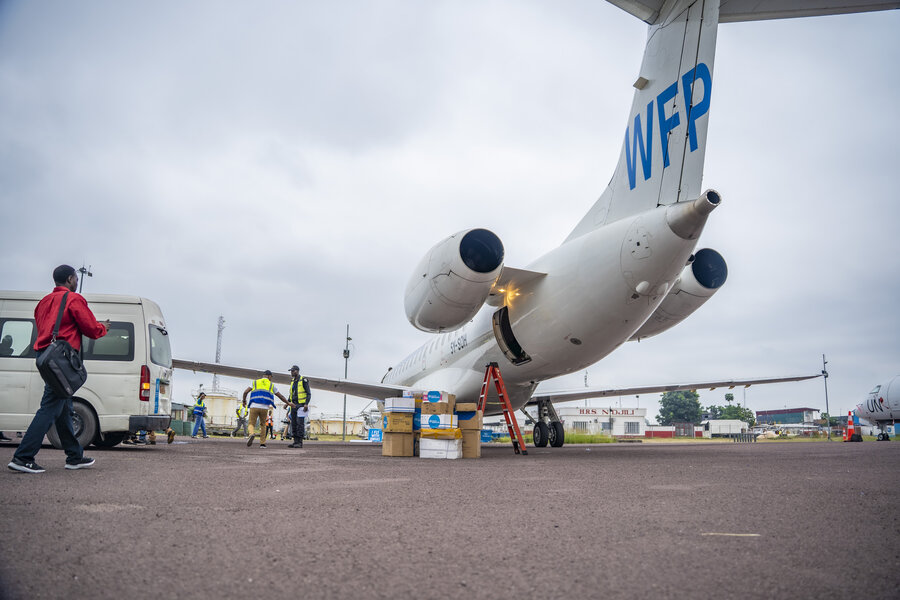
WFP is working with the Government of DRC, the World Health Organization and other partners to support the humanitarian response to the outbreak, including by facilitating the movement of responders, medical supplies and essential cargo into hard-to-reach areas. Already WFP has transported dozens of aid workers and medical supplies to affected places, and we stand ready to scale up.
The health crisis comes at a particularly dangerous moment in DRC: 26.5 million people countrywide are already facing acute food insecurity, with needs far outpacing the response.
That includes 10 million people facing severe hunger in the country’s four eastern provinces of Ituri, North Kivu, South Kivu and Tanganyika. Ituri Province – where this latest Ebola outbreak was confirmed in mid-May – is currently one of DRC’s most severely food-insecure hotspots, with more than a third of the population, or 1.7 million people, facing crisis or worse hunger levels. This year, WFP has reached hundreds of thousands of people across eastern DRC with food and cash assistance, including in Ituri Province.
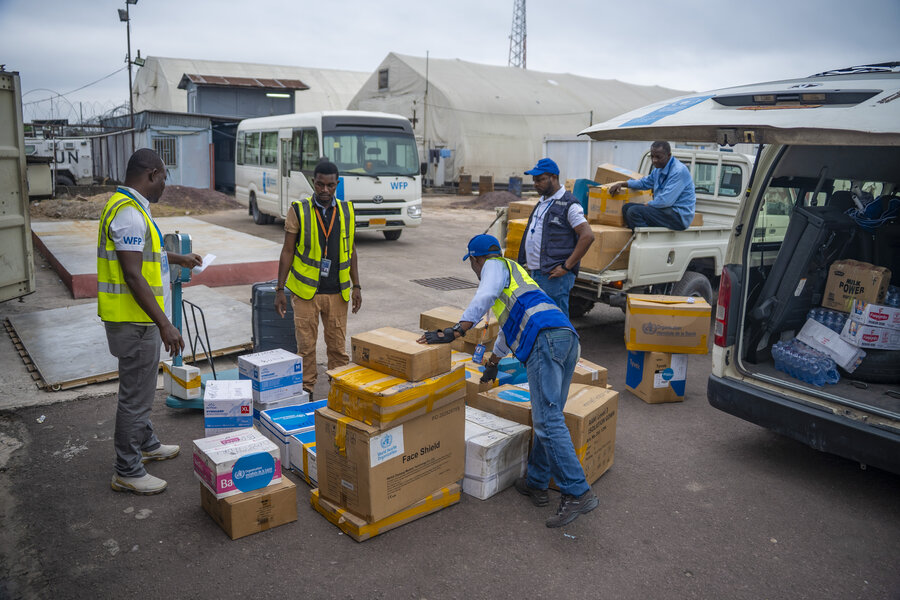
Indeed, the epicentre of the current health crisis is in the heart of WFP’s operational areas of eastern DRC, positioning us to play a key role in supporting the overall response. Already, we are providing vital assistance across several pillars – including support to frontline health workers to safely carry out response efforts.
Delivering logistics, food and access in high-risk areas
WFP is also providing critical logistics services on behalf of the wider humanitarian community, including the movement of first responders, medical supplies and essential cargo.
“Containing Ebola requires more than treatment alone,” Stevenson said. “It requires food, access, transport and logistics so frontline teams can move fast and affected families can safely follow public health measures.”
WFP is also providing life-saving food and nutrition assistance to patients, survivors, contacts, and affected households.Moreover, through the WFP-managed UN Humanitarian Air Service (UNHAS), we are enabling access to remote and insecure locations, including in Ituri.
WFP brings extensive experience from previous DRC Ebola responses.. That includes the 2017 Ebola outbreak in northern Bas-Uélé province, where we provided not only critical logistics support, but also food assistance to affected households so they could safely isolate and break the chains of transmission.
Access challenges and limited resources risk slowing response
Today’s response is being scaled up in phases, but needs are high, access is constrained, and resources remain stretched. There is a real risk that not everyone who needs assistance can be reached immediately.
The lesson from 2017 is clear: early, coordinated action – combining health, logistics and food assistance – is essential to contain Ebola and prevent wider humanitarian impacts.
These lessons are now being applied today – to move faster, scale more effectively, and prioritize the most vulnerable.
But funding is critical. Without timely and flexible support, there is a risk of disruptions in logistics and food assistance. That directly impacts both the health response and people’s ability to cope.
WFP needs over US$218 million to respond to urgent needs in eastern DRC, and over US$23 million specifically for Ebola.