
Indonesia’s transformation: From food aid to WFP humanitarian donor
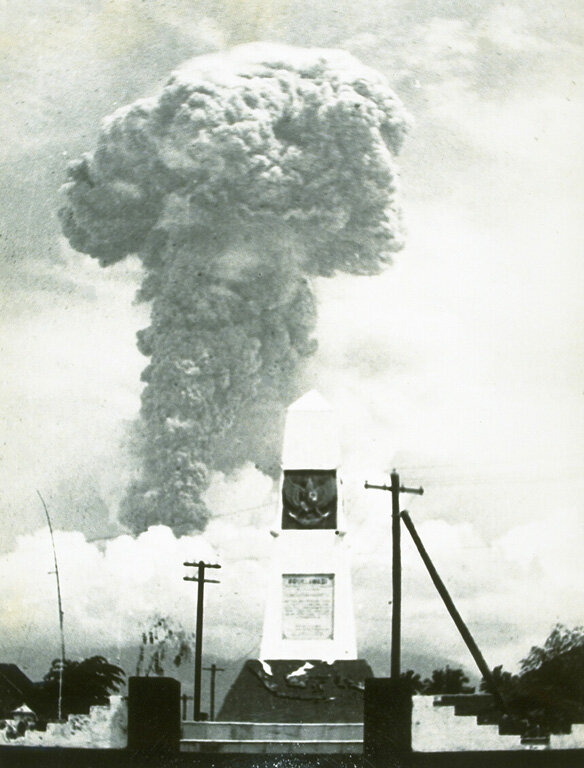

When Mount Agung erupted in the Indonesian island of Bali in 1963-1964, villages were buried in ash overnight.
Crops failed, homes collapsed and food became scarce for thousands of families. People worried not only about how to rebuild, but how to feed their children.
This was the moment, more than 60 years ago, when the United Nations World Food Programme (WFP) began working with Indonesia. The response was urgent and practical: food assistance to help families survive, followed by support to repair irrigation canals, rebuild roads and restart agriculture.
"From volcanic ash and empty rice bowls to a nation standing in solidarity with others facing hunger today." – Jennifer Rosenzweig, WFP Country Director in Indonesia
At the time, the response was not framed as the start of a long journey, only a necessary lifeline.
More than half a century later, though, Indonesia now stands not only as a steadfast WFP partner at home, but as a valuable WFP donor supporting other countries facing hunger and crisis way beyond its own borders.
“From volcanic ash and empty rice bowls to a nation standing in solidarity with others facing hunger today, Indonesia’s partnership with WFP shows how national leadership and long-term vision can move countries from crisis to contribution – and help lift others along the way,” said Jennifer Rosenzweig, WFP Country Director in Indonesia.
Indonesia and WFP: building food security
Over the decades that followed the Mount Agung response, Indonesia and WFP worked side by side as the country grappled with poverty, food insecurity and recurring disasters across a vast archipelago of more than 17,000 islands.
Progress was real. By the mid-1990s, Indonesia had made major strides towards food self-sufficiency. In 1996, after more than 30 years of operations that included food aid, nutrition projects and rural development support, WFP closed its office, confident that national systems were strong enough to manage food security independently.
Two years later, that confidence was tested. In 1998, the Asian Financial Crisis collided with a severe El Niño-driven drought. Millions of Indonesians lost their jobs and food prices surged. Rice, the country’s staple, became harder to afford just as harvests shrank. Millions of people were pushed back into vulnerability almost overnight.
At the Government’s request, WFP re-established a presence in Indonesia. A US$90 million emergency operation helped families weather the drought-related shock, while emergency food assistance and targeted nutrition support was provided to protect children and pregnant women at a moment when malnutrition risks spiked sharply.
Just a few years later, another crisis struck – this time with devastating force.
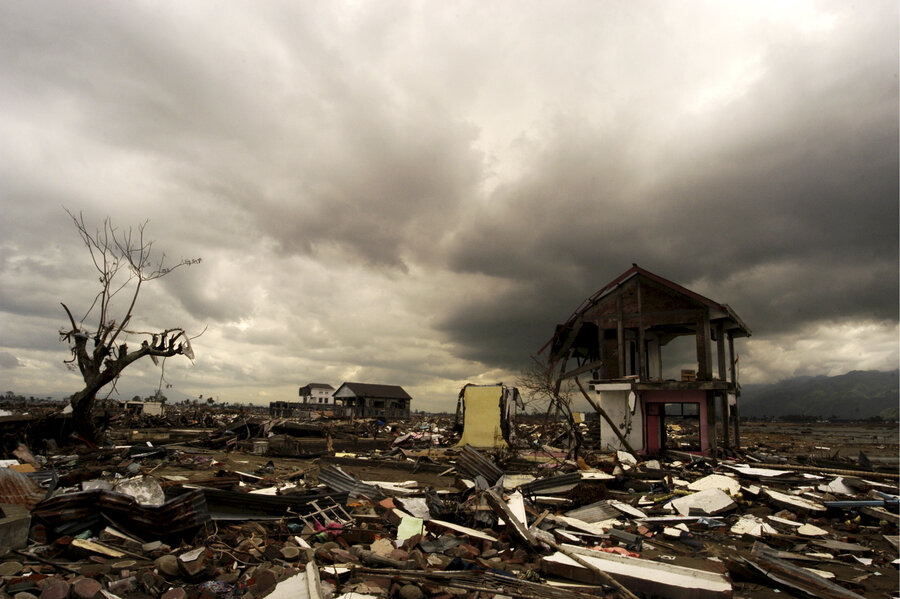
In December 2004, the Indian Ocean tsunami hit Aceh and other coastal areas, killing more than 160,000 people in Indonesia alone and displacing millions more.
Entire communities were wiped out in minutes. Ports, markets, roads and farmland were destroyed, bringing food systems to a standstill. WFP rapidly scaled up emergency food assistance, helping feed survivors while supporting early recovery efforts in one of the largest humanitarian responses in the organization’s history.
Crucially, these back-to-back shocks sparked a deeper question: how could Indonesia break the cycle of crisis for good?
Six steps to reduce hunger
Indonesia’s transformation was neither quick nor linear. Like other countries that later became donors, progress came through sustained action over time, driven by national leadership and supported by partners.
Six steps were critical in bringing about sustained change:
1) Food assistance from WFP and other humanitarian agencies saved lives when disasters struck. This emergency support also ensured shocks did not spiral into widespread hunger and paved the way for recovery.
2) Recovery efforts focused on livelihoods – restoring agriculture, land and local economies to reduce reliance on aid. WFP programmes provided food and/or cash while communities were involved in restoration efforts.
3) Government‑led safety nets, largely in the form of cash transfers and supported by technical assistance and analysis from WFP and other experts, helped shield the poorest people during economic shocks – particularly when inflation and unemployment surged.
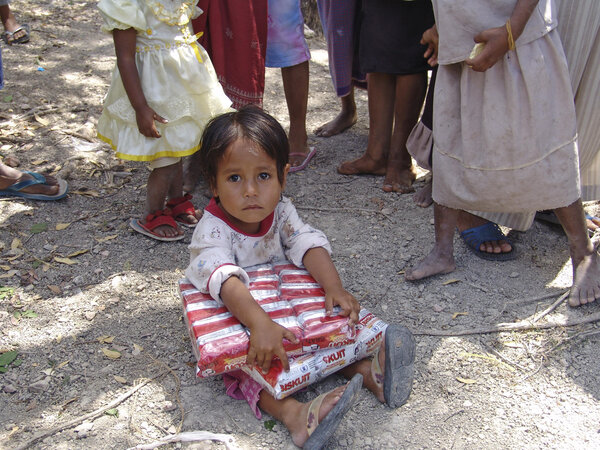
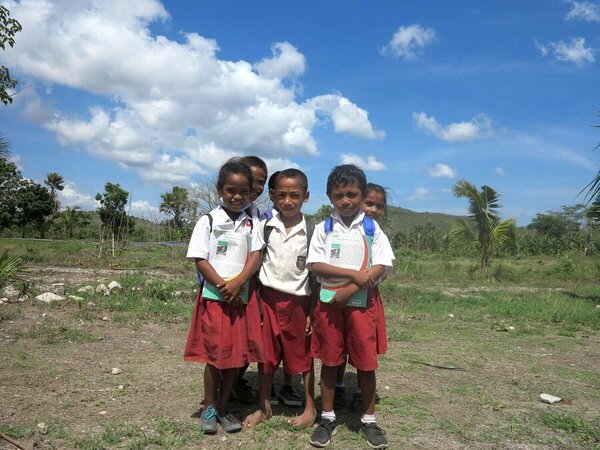
4) Indonesia began tackling malnutrition head on. Fighting child stunting, micronutrient deficiencies and poor diet quality became national priorities, supported by evidence and technical expertise.
5) Emphasis was placed on national systems, to the degree that, by 2016, WFP was no longer distributing food in Indonesia. Instead, the partnership moved towards food security analysis, disaster preparedness, early-warning systems and government-led nutrition policy.
6) Indonesia turned outwards. As national capacity grew, WFP supported the country in sharing experience, expertise and resources – including through South‑South and Triangular Cooperation – with countries such as Timor‑Leste and Cambodia.
The results of the work done in Indonesia are tangible: a national survey has shown child stunting declining from 27.7 percent at the end of the last decade to 21.5 percent by 2023, and below 20 percent in 2024.
Indonesia also reached a major milestone in 2020 when it was classified as an upper-middle-income country, becoming one of the world’s largest economies after decades of growth and poverty reduction.
From aid recipient to donor
As Indonesia’s confidence grew, so did its sense of global responsibility. In 2019, the Government established the Indonesian Agency for International Development, a dedicated institution to manage development cooperation and humanitarian assistance.
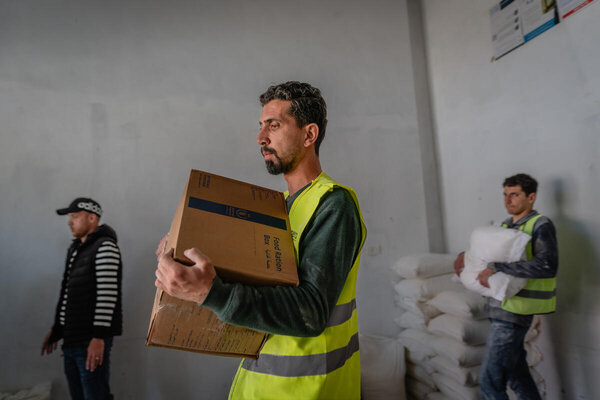
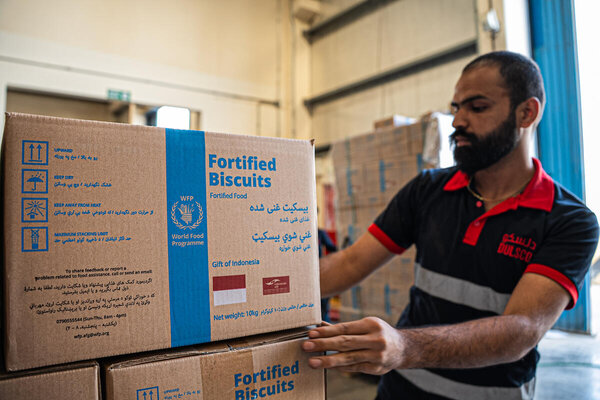
Indonesia has also expanded its support for WFP emergency and nutrition programmes well beyond Southeast Asia. In 2022, the government donated US$1 million in humanitarian aid to people reeling from the impact of floods and landslides in Pakistan.
In 2025, Indonesia provided US$3.5 million to support WFP’s school meal programmes for children in Afghanistan, underscoring its commitment to nutrition and education as foundations for recovery.
Most recently, Indonesia contributed to WFP’s life-saving food and nutritional assistance in Gaza.
Today: resilience and preparedness
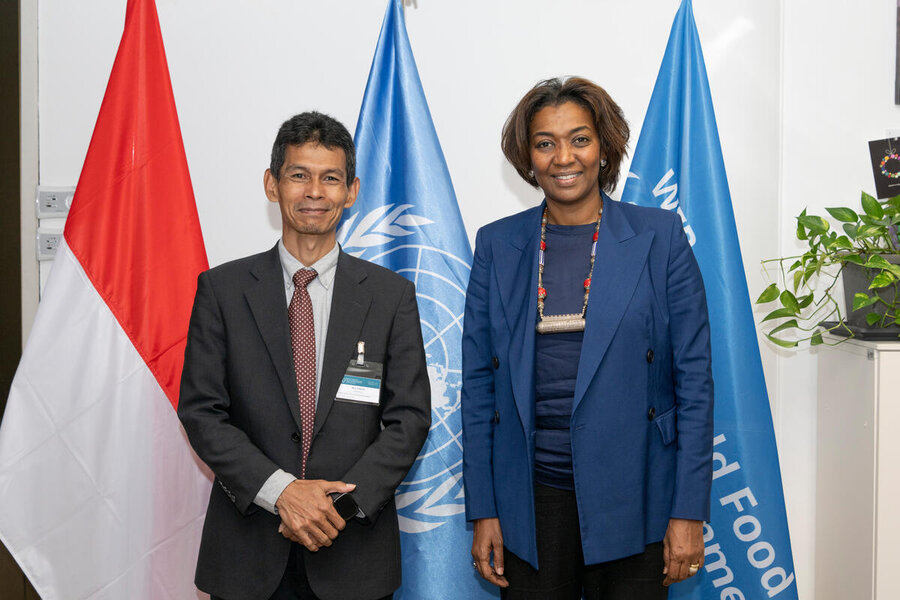
Today, WFP and Indonesia work together in a new way. At home, the partnership focuses on food security analysis, nutrition policy, climate resilience and preparedness – helping systems absorb shocks before crises strike.
Globally, as well as being a donor, Indonesia further promotes South-to-South and Triangular Cooperation, by sharing solutions shaped by its own journey from vulnerability to resilience.
Indonesia’s story is not one of “mission accomplished”. Climate change, disasters and malnutrition still threaten progress, but it is now far better positioned to meet these challenges head-on.
Ultimately, the country stands as testament to the transformational impact that humanitarian development and strong WFP-government partnership can forge, allowing it to try and meet its full potential while supporting other countries on their own journeys to self-reliance.