
How the Middle East conflict is fuelling hunger as WFP scales up assistance
Story updated at 12:56 on 13/03/26.
As the Middle East conflict escalates, the World Food Programme (WFP) is delivering life-saving assistance to tens of thousands of conflict-displaced families in the region – amid fears of a broader humanitarian fallout, as fuel, food and fertilizer prices soar and global supply chains are disrupted.
“This is a seminal moment in global supply chain history, with impacts on the economy, on food security and on humanitarian response.” says Jean-Martin Bauer, Director of Food Security and Nutrition Analysis. “If the situation persists, these higher costs and shipping delays will have serious consequences for humanitarian programmes.”
“This is a seminal moment in global supply chain history" – Jean-Martin Bauer, Director of Food Security and Nutrition Analysis.
Global food systems rely on a small number of key maritime corridors. Escalating conflict has created a rare dual chokepoint in two of the most critical: in the Strait of Hormuz, vessels face targeting and restrictions. Meanwhile, risks and insurance costs on vessels through the Red Sea’s Bab-el-Mandeb are causing delays and diversions.
Disruptions could trigger another wave of global inflation and a dearth of fertilizer. This is especially critical at a time when farmers are planting their crops for the 2026 season, particularly in sub-Saharan Africa.
Conflict threatens the most fragile countries
At risk are some of the world’s most fragile, food-insecure countries, including war-hit Sudan and drought-stricken Somalia, he says Bauer, where millions are already facing severe food insecurity that could intensify if the disruptions continue.
Sudan, WFP’s largest operation, highlights the sheer scale of the disruption. “Under normal circumstances, we purchase food in India, ship it to Salalah, then to Jeddah, and into Port Sudan,” explains Bauer. “Today, because of the crisis, shipping lines are taking the same cargo on a much longer route. This is an additional 9,000km. That’s like going coast to coast across the United States and back again and adds around 25 days to shipping times.”
Despite the uncertainties, WFP is responding to the fast-moving crisis – reaching vulnerable communities with food assistance and mobilizing one of our most complex emergency responses in years to keep humanitarian supply chains moving.
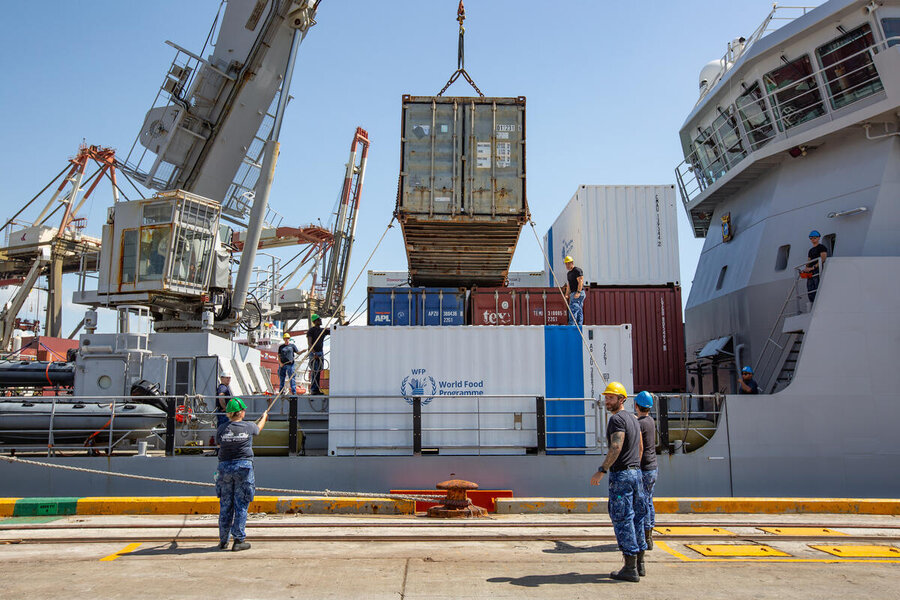
“Our partners, and the people we support, rely on us and trust us,” says WFP Supply Chain Officer Ayman Soweilam.
“We’ve focused heavily in recent years on digital planning, stock management, route planning and tracking,” he adds, “all innovations that help us be more efficient and move and deliver food safely and on time – which is obviously essential during emergencies on this scale.”
“Being prepared for crisis is part of WFP’s bread and butter" – Lebanon Deputy Country Director Anne Valand.
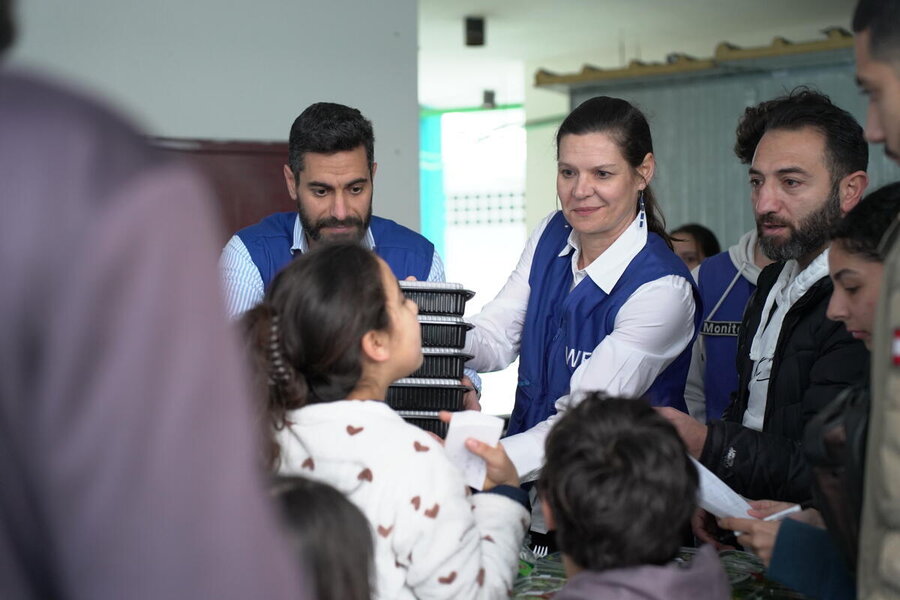
In Lebanon, WFP was delivering hot food, fresh bread and ready-to-eat meals to tens of thousands of uprooted families within hours of the first airstrikes.
We have collaborated with the Government to ensure vulnerable people receive cash transfers for their immediate needs – helping also to reduce pressure on overcrowded shelters.
“Being prepared for crisis is part of WFP’s bread and butter,” says WFP Lebanon Deputy Country Director Anne Valand. “We were quickly able to activate both the food and cash response.”
How the impact is being felt by people
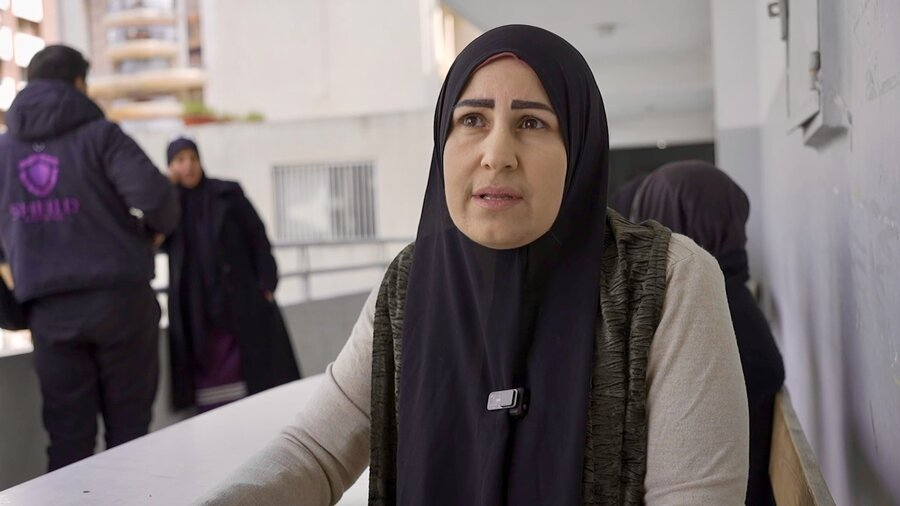
Our support is reaching people like Hanadi, from southern Lebanon, who fled her home with her daughter and found shelter at a school in Beirut.
“I brought nothing with me,” says Hanadi, clad in a dark headscarf, a worried look on her face. “When the bombing happens, you can’t think – you just evacuate as you are.”
Some seeking refuge in schools and other makeshift shelters are no strangers to unrest and displacement.
“We’re not living in stability at all,” says another woman, Mariam, describing being uprooted from the southern Lebanese town of Kfar Kila two years ago.
“I miss everything,” she adds of her old home.
WFP ready to respond to additional needs
In Syria, WFP is delivering food assistance to the newly displaced from neighbouring Lebanon.
In Iran, WFP continues supporting Afghan refugees – and we stand ready to respond to additional needs arising from the current crisis.
But as the conflict continues, so do the risks of deepening hunger. That includes in Gaza, where WFP needs sustained and unimpeded access to deliver food assistance, and Afghanistan, where operations could also be affected by border closures.
Continued support will be essential to ensure food reaches the families who need it most at this critical moment.