
Northern Nigeria's toxic mix of violence and hunger
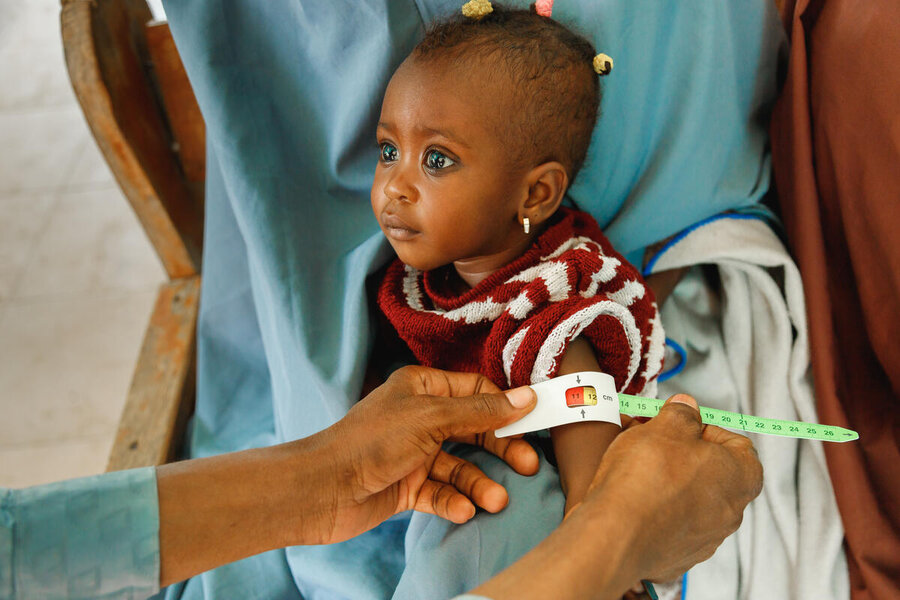
Outside a health centre in the northeastern Nigerian town of Dikwa, where women and children pack wooden benches awaiting treatment, an employee slips a MUAC (mid-upper arm circumference) nutrition band around Zara’s tiny arm. The band enters the tell-tale red zone - the 1-year-old baby is severely malnourished.
“Even when we get food, it is always the same thing,” says mother Maryam, 20, describing the family's diet of maize and sorghum. “That is why there is no improvement to her health.”
The special nutrient-rich food little Zara receives at the World Food Programme (WFP)-supported clinic is designed to give her the vitamins, minerals and energy her body needs. But that support may be short-lived - even as hunger and malnutrition skyrocket in Nigeria.
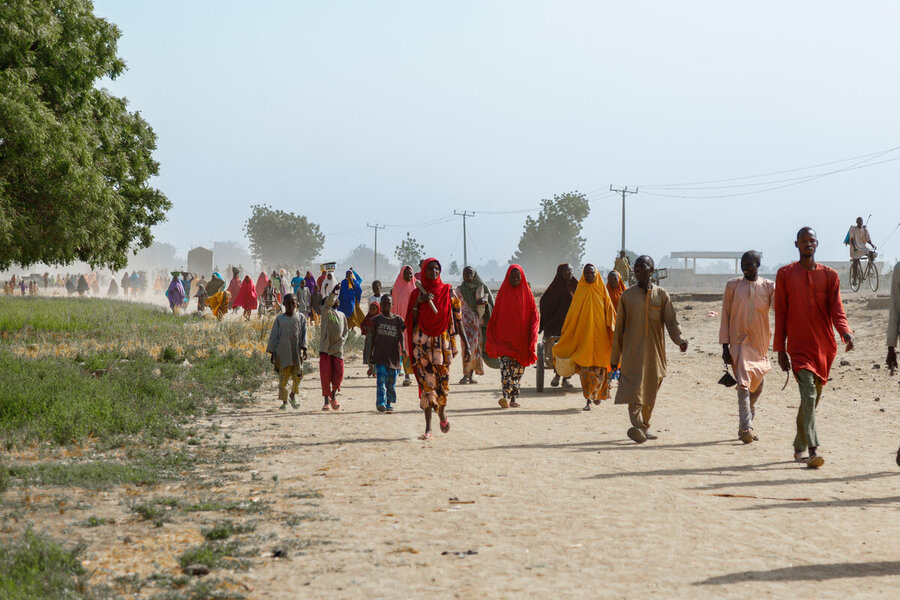
Nearly 35 million people are projected to face severe food insecurity during next year’s June-August lean season, according to recent expert findings known as the Cadre Harmonise. That is the highest hunger level the analysis has ever recorded for Nigeria, and the highest in Africa.
Surging violence, especially in north-central Nigeria, is driving the uptick - and funding cuts may leave WFP and other humanitarians unable to provide a desperately needed lifeline.
In northern Nigeria, 6 million people are expected to experience acute or worse food insecurity in 2026. In Borno State, roiled by kidnappings and conflict and where Maryam and Zara live, 15,000 people risk catastrophic food insecurity next year - the highest level under the global standard for measuring food insecurity.
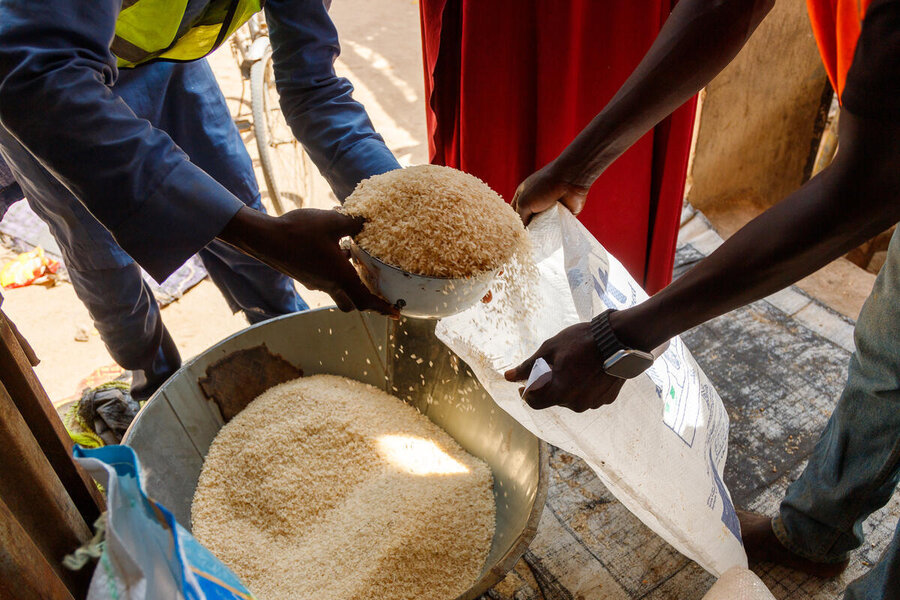
Yet today, WFP can only provide food and nutritional support to 900,000 people in northeastern Nigeria - and just half that number by the end of December. Unless new contributions arrive speedily, we will be unable to deliver vital aid to millions of desperately hungry people next year.
“Communities are under severe pressure from repeated attacks and economic stress,” says David Stevenson, WFP Country Director in Nigeria.
“If we can’t keep families fed and food insecurity at bay, growing desperation could fuel increased instability with insurgent groups exploiting hunger to expand their influence - creating a security threat that extends across West Africa and beyond.”
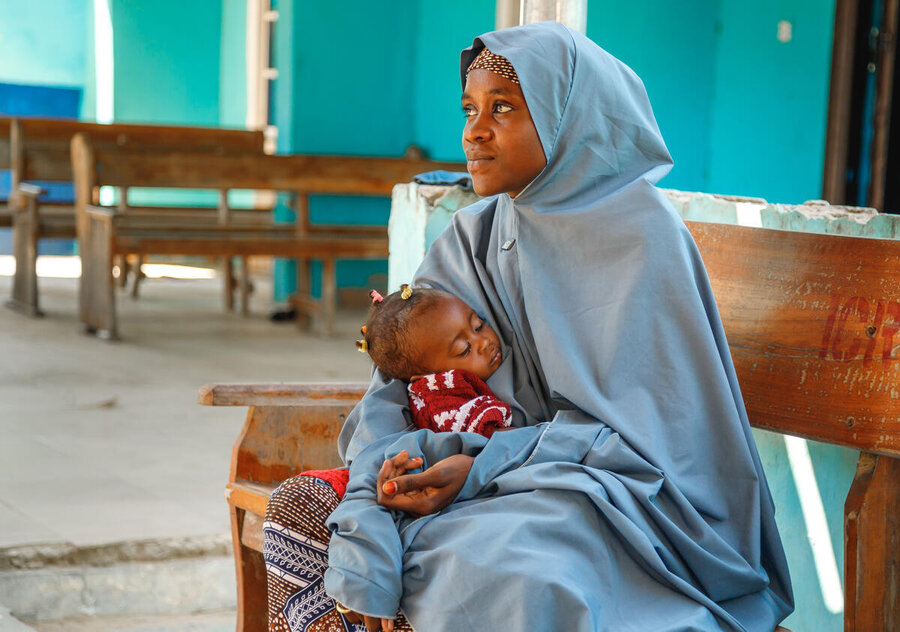
Desperation has already caught up with Maryam, her husband and two children. Like others in this story, their last names are being withheld for their protection. The family lives in a dusty camp for conflict-displaced people, sharing a small tent made of straw, sticks and tarp.
Maryam sews clothes to help bring in food, and the couple tries to farm on borrowed land. It is a risky bet. If insurgents attack, they lose their harvest - or worse.
“We live in fear,” she says.
Remembering peace
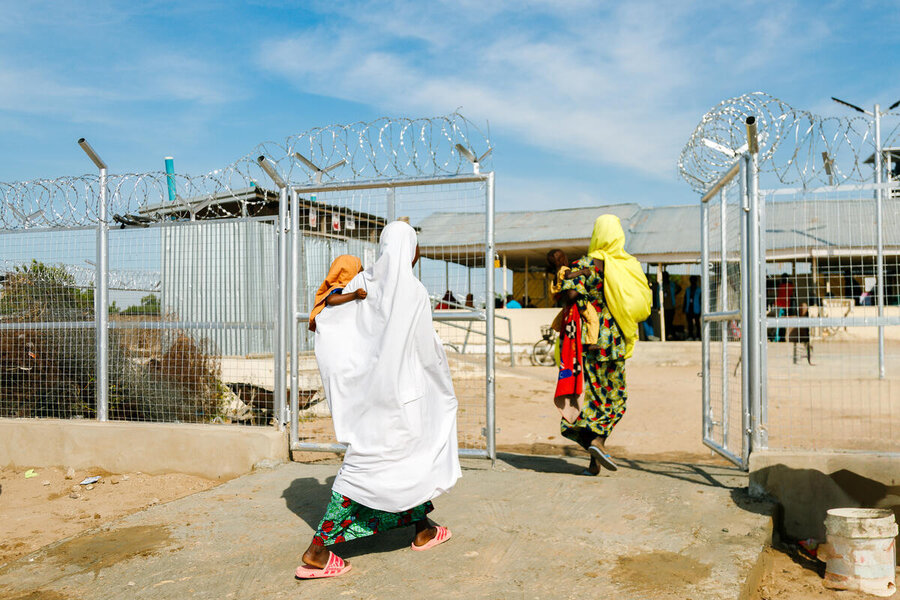
In July, WFP was forced to scale down nutrition support for lack of funds, shuttering dozens of clinics in northeastern Nigeria and putting in peril the health of 300,000 young children like Zara.
“Hunger is now reaching levels we have not seen in years,” says WFP area office head Emmanuel Bigenimana, describing a toxic mix of food insecurity, fear and desperation in the northeast. “Armed groups can use that desperation to tighten their grip, putting the wider region at even greater risk.”
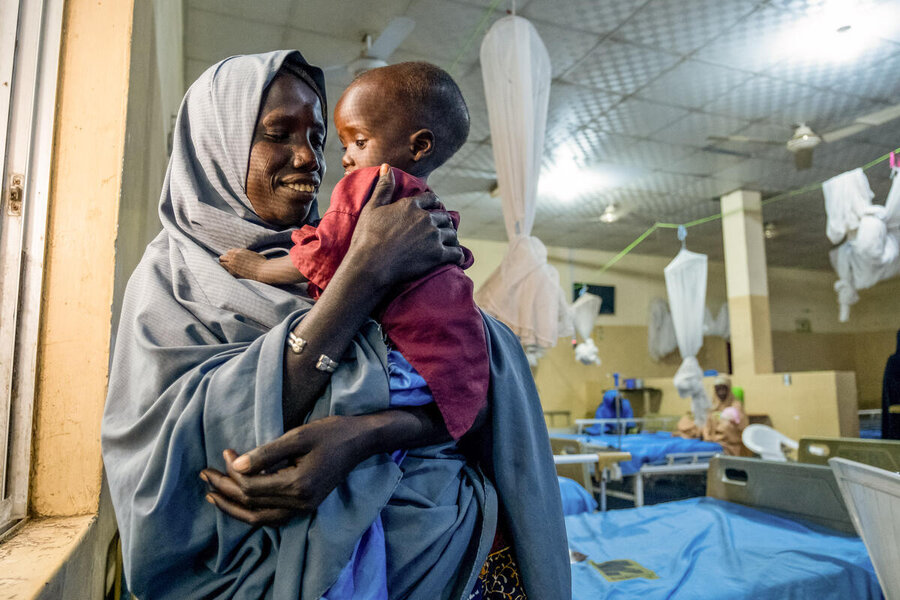
At another health clinic, near the Borno State capital of Maiduguri, WFP support also allows two-year-old Modu Modu to be treated for malnutrition. His family, too, has been displaced by unrest.
“I was very scared that my child might die, but now I am relieved he is getting care,” says his mother Bintu.
She recalls how her family once grew corn, sorghum and millet on their farm, about 24 km from Maiduguri. That was before bandits attacked their village of Isanari, forcing the family to flee.
“We had nothing. We had to start all over again,” she says. With few means of support, “we just eat small amounts.”
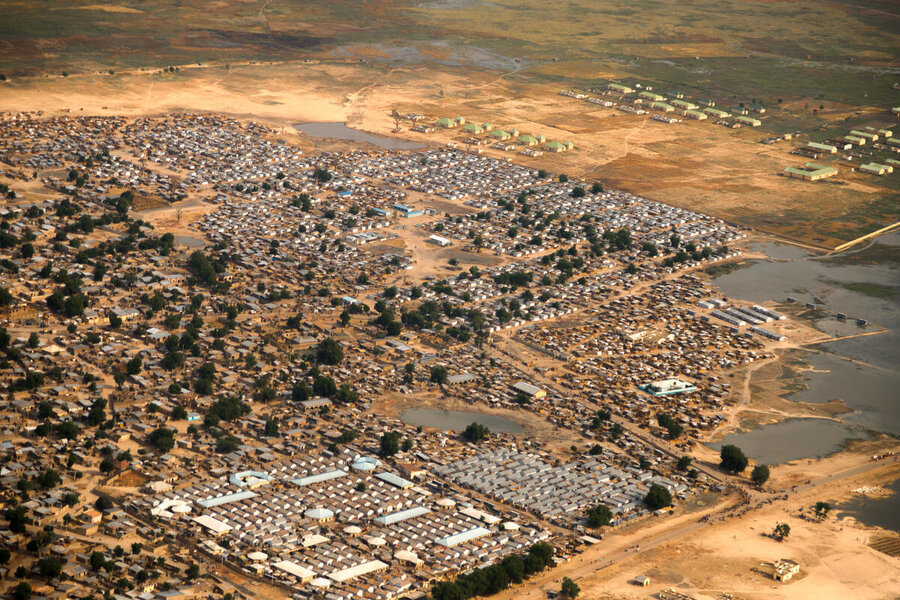
Like Bintu, other Nigerians interviewed for this story have traumatic pasts. In Dikwa, 30-year-old Hadiza describes being kidnapped by an armed group. She was detained for eight years in a forest camp before being released. That was four years ago.
Her family of five now survives by selling fried yams, potatoes and soybean cakes - and on WFP food assistance, which may soon dry up.
“Honestly, we would like to see peace to return to our lives, with everyone returning to their farms,” Hadiza says. “Just like before.”
It’s a dream shared by many.
“With peace, everyone can go back to farming,” says Fatima, 20, recalling the days when her family grew a surplus and hunger wasn’t a problem.
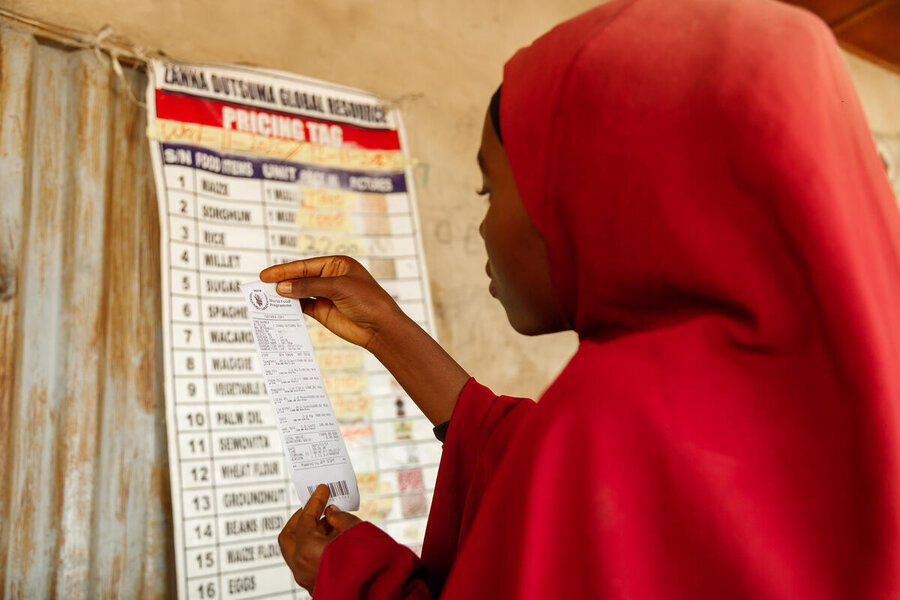
That was before they were uprooted by unrest, also finding shelter at the Dikwa displacement camp. Today, food is secured via WFP electronic transfers - the equivalent of about US$31 a month per person.
On a typical day, Fatima uses the money to buy maize, rice, vegetable oil and spaghetti at a local store. The support allows her family to eat three times a day at the beginning of the month. Meals get scarcer towards the end of the month, as supplies run out.
“We’re living on food assistance alone,” Fatima says. “It is everything to us."
WFP’s life-saving work in Nigeria is made possible with support from the African Development Bank Group, Canada, the European Commission, France, Germany, private donors, the Republic of Korea, Saudi Arabia, Sweden, UNCERF, the United Kingdom and the United States.
WFP needs US$116 million up to May 2026 to reach 900,000 people with life-saving food and nutrition assistance.