
As Sudan nears three years of war, hunger mounts and women pay the highest price
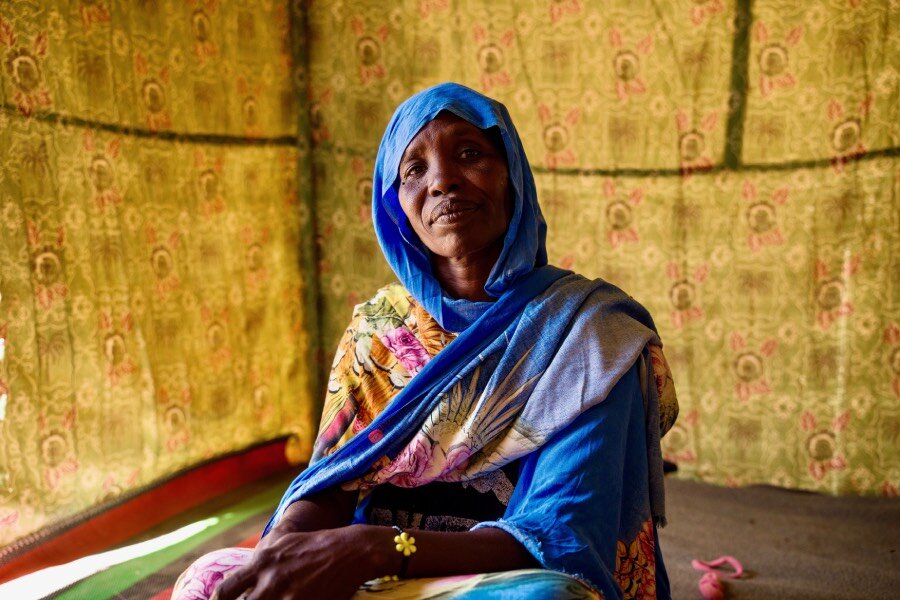
Rawdah watched her 9-year-old son die at a wrecked hospital in western Sudan, starved of precious oxygen – and becoming another casualty of the country’s grinding war.
“My son had a heart condition,” she says of little Ramadan. “He got sick and there was no oxygen, and in the end he got worse and died.”
The boy’s death marked another bitter milestone in the family’s escape to safety from the famine-hit city of El Fasher, in North Darfur State – where months of fierce fighting between 2023 and 2025 killed and uprooted thousands. Today, they live in a makeshift cloth tent at a displacement camp hundreds of kilometres away, near the northern town of Al-Dabbah.
Travelling on foot for days, through multiple towns and across a landscape marked by shelling and hunger, Rawdah’s journey with her children underscores how Sudan’s women are both key to their family’s survival - and on the frontlines of the world’s largest humanitarian crisis.
“All the responsibility falls on the women,” says Rawdah. (Her last name withheld for her protection). “Many families in this camp don’t have any men. It’s not easy, but we thank God.”
The challenges Rawdah faces are shared by women across Sudan. The United Nations finds the majority of female-headed households in Sudan don’t have enough to eat. They are three times more likely to be food-insecure than male-headed ones. Over nearly three years of war, sexual and other violence against women and girls has soared.
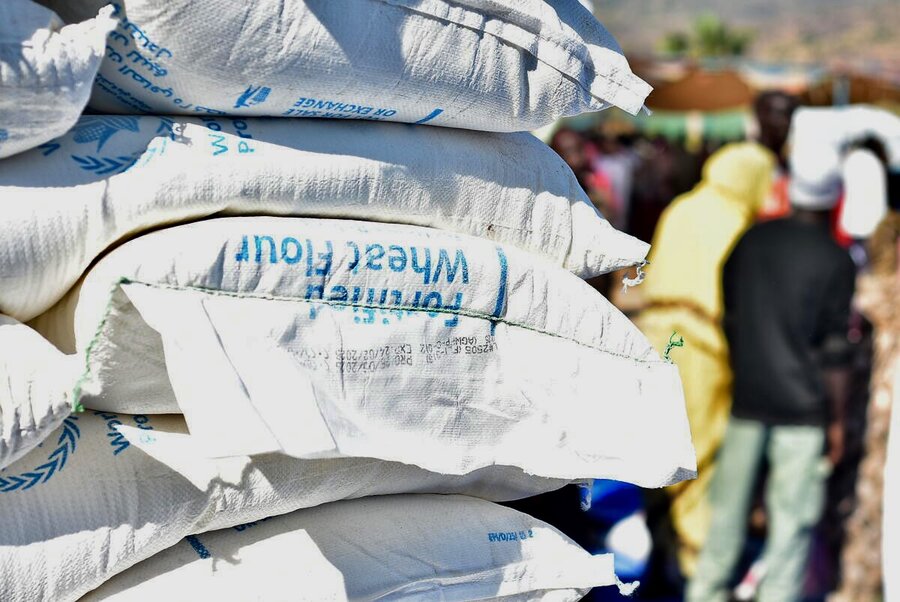
Now families like Rawdah’s face another threat, as funding for WFP food assistance runs dry. Already, we have been forced to reduce rations in a country where more than 19 million people are experiencing acute or emergency hunger. The most vulnerable depend on our support to survive. But without fresh contributions, our food stocks in the country will start depleting from March onwards and fully run out by May.
Making a difference
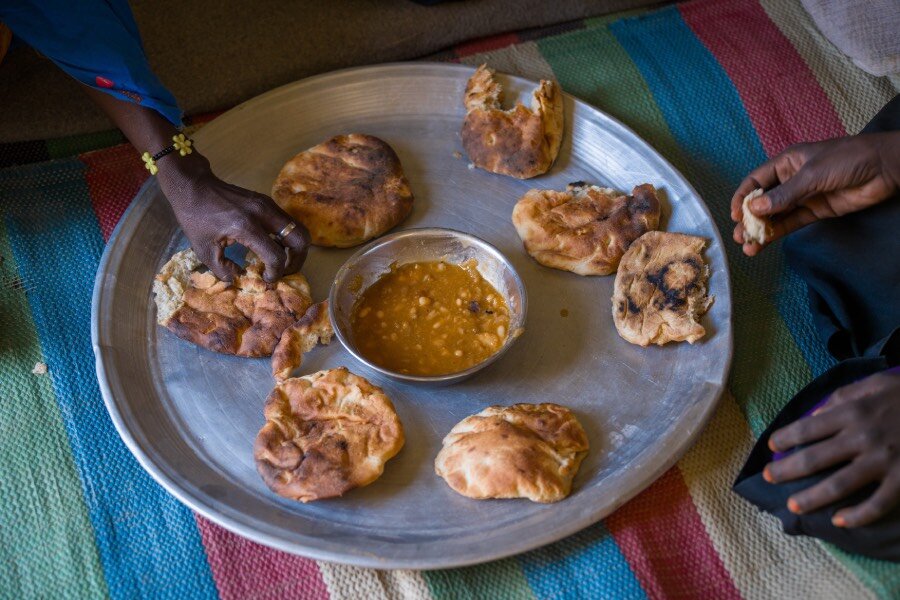
For now, our impact is seen in the sprawling, sand-whipped Al-Affad displacement camp, where Rawdah and her family have settled, along with thousands of others. WFP is distributing rations, including lentils, rice, flour and oil, to camp residents.
“They give us food and water and everything,” Rawdah says of WFP and other humanitarian support. The family supplements the assistance with items bought using money sent by relatives abroad.
“For breakfast, we go to the community kitchen,” she adds. “We can eat as much as we need.”
Like Rawdah’s family, many camp residents fled El Fasher, a city torn apart by fierce fighting and where famine was confirmed last year. But the mother recalls a beautiful life before the war, where neighbours were like family, children went to school, and meals were healthy and varied.
“All the responsibility falls on the women,” Rawdah says. “Many families in this camp don’t have any men."
Rawdah made the long trek to Al-Affad alone with her children. She put her youngest on their horse, while she and the others walked. Later they hitched rides on tractors or whatever they could find. They passed through war-ravaged towns and camps - and kept moving on. When they reached the North Darfur town of Kutum, her son Ramadan, already sickly, began to get worse.
“They said he had severe anaemia, and then he began to suffer from lack of oxygen,” Rawdah says.
After Ramadan’s death, they continued heading north until they arrived at Al-Affad.
Now, Rawdah worries about the future of her remaining children. Only one is getting an education, hundreds of kilometres away near the capital.
“There’s no school here,” she says, “we just wake up and get through the day.”
“All we want is for this war to end,” she adds, “so we can settle and live our lives.”