
Ebola in eastern DRC: How WFP food assistance is helping families
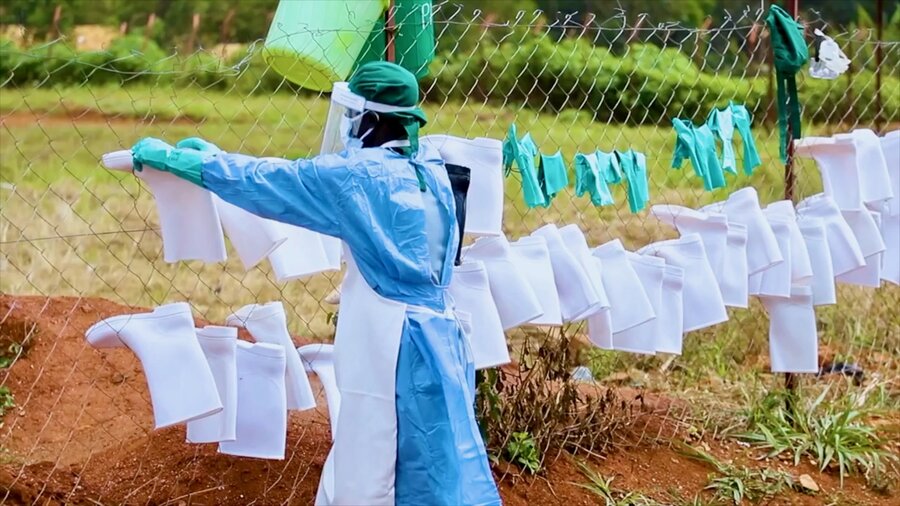
By the time Jacques brought his 5-year-old daughter to hospital for treatment, it was too late. Feverish and vomiting blood, the little girl died shortly after arriving – the latest casualty of a fast-moving Ebola outbreak now sweeping across a swathe of eastern Democratic Republic of the Congo.
Today, Jacques is afraid his wife may be the next victim of the rare and fatal Bundibugyo strain of the Ebola virus that has killed and sickened hundreds of people since the outbreak began in mid-May. More than six weeks later, DRC's 17th Ebola epidemic could become the country's largest to date, experts fear, while sharply deepening severe hunger that already affects 10 million people across the east.
A humanitarian crisis compounded by conflict
Quarantined by health workers, Jacques' wife remains in an isolation ward, piling more worry on a family left destitute and homeless by the region’s ongoing violence. (For privacy reasons, the World Food Programme [WFP] is not using Jacques’ last name or the names of his wife and daughter).
“Now, my life has become very different and difficult,” says Jacques, who juggles visits to see his wife and caring for a family of 13 now sheltered in a church in the town of Beni.
"The outbreak is not only a health emergency, it is a humanitarian crisis. And we will not contain it with medical measures alone,” says Ibrahima Diallo, WFP Deputy Country Director in DRC, who leads response operations to the outbreak that has spread to at least three Congolese provinces. Cases have also been reported in neighbouring Uganda.
Why food assistance is part of the Ebola response
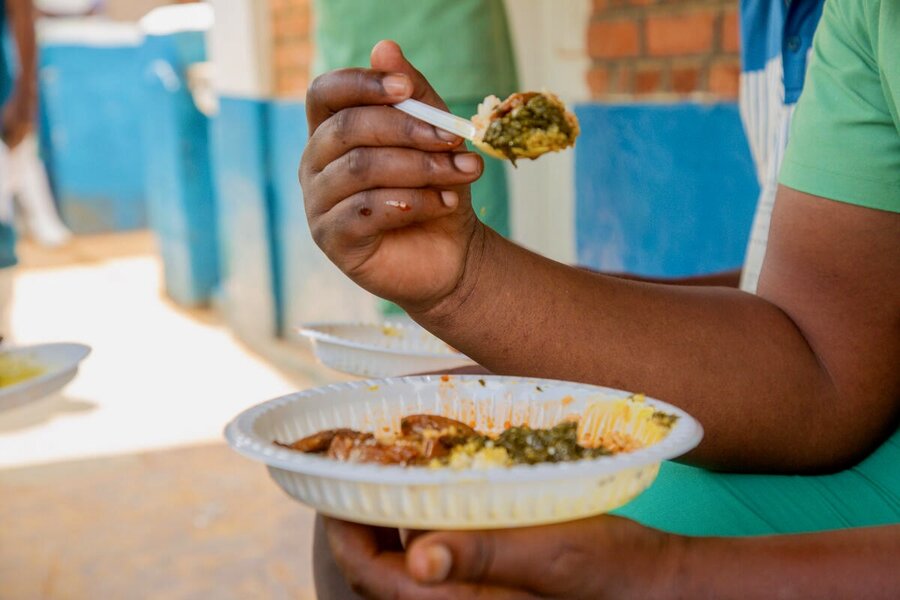
WFP has been surging food and other humanitarian assistance to Ebola-affected areas. We are providing hot meals to patients, family members and health workers, along with take-home food rations and nutrition support to other vulnerable people that together reach more than 1.2 million Congolese. Food assistance helps patients and family members remain under observation, reduces the need for people to travel in search of food, and supports wider efforts to contain the spread of Ebola.
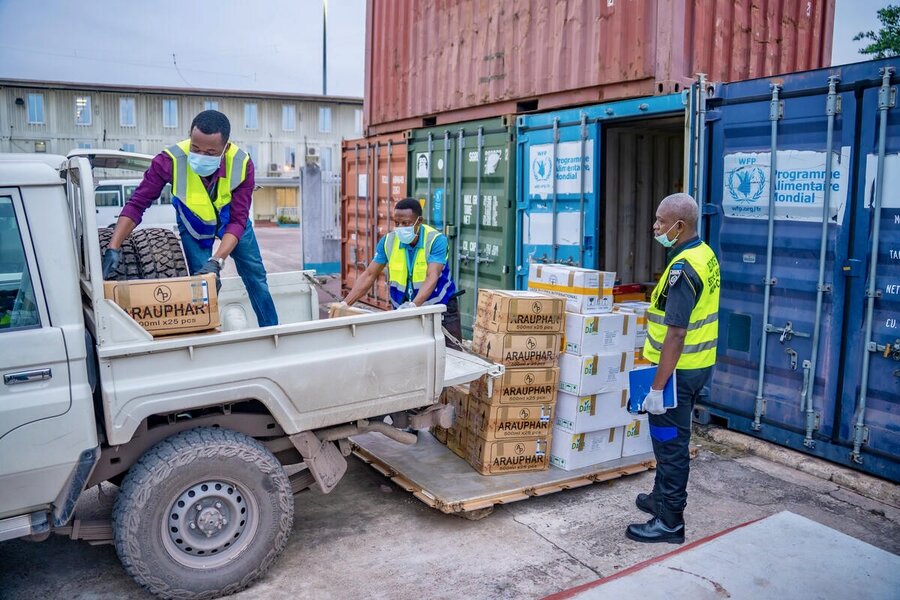
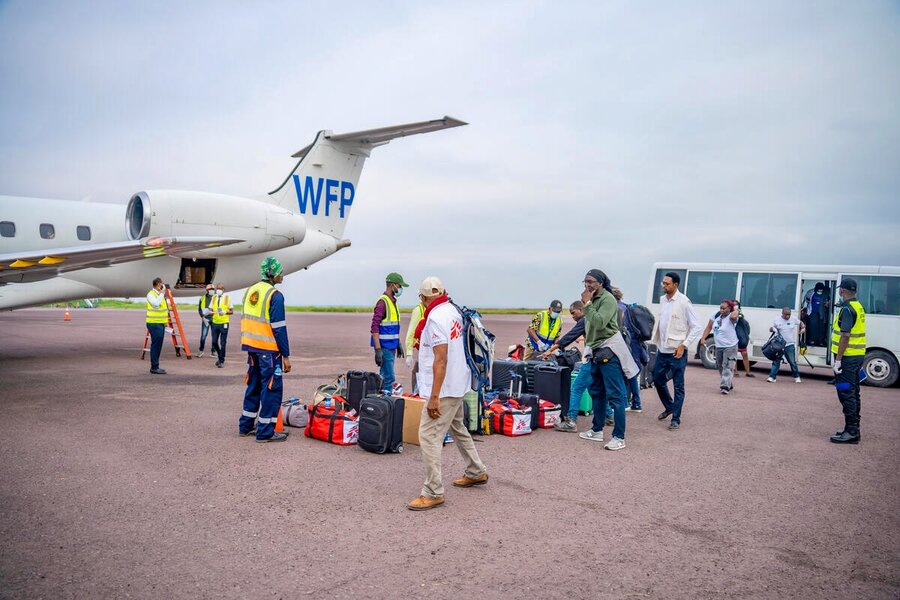
We are also providing logistics, telecommunications and air transport to move humanitarian workers and essential cargo to the frontlines of the Ebola crisis in eastern DRC.
“But we need to do more and we need to do it faster, at scale and with the resources required.” Diallo says of WFP’s response. And, he adds, in a region buffeted by conflict, “we need safe and sustained access”.
Conflict risks intensifying spread of Ebola
Years of armed clashes that have uprooted millions across the east also threaten to further spread the virus, as people on the move seek new places to shelter. That was the case of Jacques and his family, who fled their home in South Kivu’s capital of Bukavu, making a days-long voyage to Beni, in North Kivu Province, by foot. They now survive on odd jobs offered up by locals – and on WFP’s food assistance.
“That’s the only meal we have right now,” Jacques says of the aid. “It helps us enormously.”
But it is not enough to feed his large family. “If this food stock runs out,” he adds, “I don’t know what we’ll do after.”
WFP’s food is also a lifeline for many others. At an Ebola treatment centre outside Beni, cooks stir up large pots of mashed potatoes and vegetables over gas burners. Workers wearing personal protective equipment serve them in plastic containers to mothers and other family members supporting the patients.
“The (WFP) food we receive really helps us,” says Glorieuse, watching over her 3-year-old son at the centre.
Glorieuse brought her child in for treatment the previous week as he began bleeding from his nose. Her husband cultivates cocoa and vegetable crops in fields far away and – with armed groups operating in the area – cannot make the dangerous journey to town.
Before WFP’s assistance, Glorieuse says, “we haven’t been able to feed ourselves.”
Rising prices – and hunger
Ebola’s fallout is deepening hunger in myriad ways. Border closures, movement restrictions and trade disruptions linked to the outbreak are driving up food and fuel prices. Prices for both imported and local goods have surged in the provinces affected by Ebola, with traders predicting they will climb even higher.
“We need to stabilize food and livelihoods, so people are not forced to move simply to survive,” says WFP’s Diallo. “And we need timely, flexible funding to keep food assistance, supply chains, logistics and aviation support running for as long as this crisis demands.“
WFP’s support targets many others on the frontlines of the crisis. At Aru General Hospital in Ituri Province, the epicentre of the outbreak, interim Medical Director Dr. Moise Agino says WFP’s food aid helps to keep his staff motivated and boosts his patients’ chances of survival.
“The WFP support is very important because our care is holistic – it encompasses medical, psychological, and nutritional aspects,” says Dr. Agino, who oversees the hospital’s seven-bed Ebola unit. “Without this nutritional support, we would not be able to achieve the recoveries we are seeing today.”
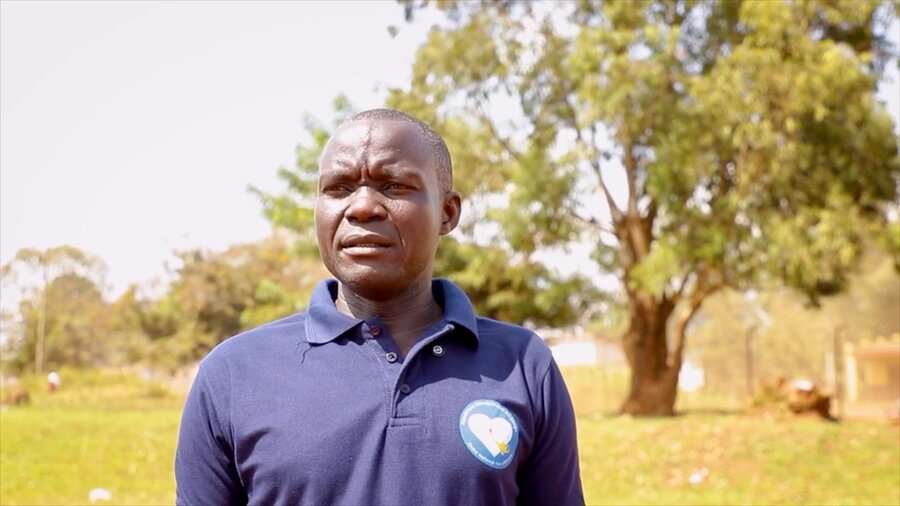
“Supplying hot meals is very important because we know that if patients aren’t fed, they won’t stay in the hospital,” says Diallo, who recently visited the WFP’s operations in the Ebola-affected provinces of Ituri and North-Kivu. “And if they do not stay in the hospital, they return to the community, with the risk of infecting others.”
Glorieuse understands those risks. Like Jacques, she prays that her family will escape more tragedy.
“We are grateful to the people providing us with the food,” she says. “May God bless them.”
WFP urgently requires US$72 million over the next six months to sustain food assistance, UN Humanitarian Air Service and logistics operations for the Ebola response. Across DRC, WFP needs US$286.5 million over the next six months to keep vital food assistance moving.