
How school meals feed nations - and changed my life
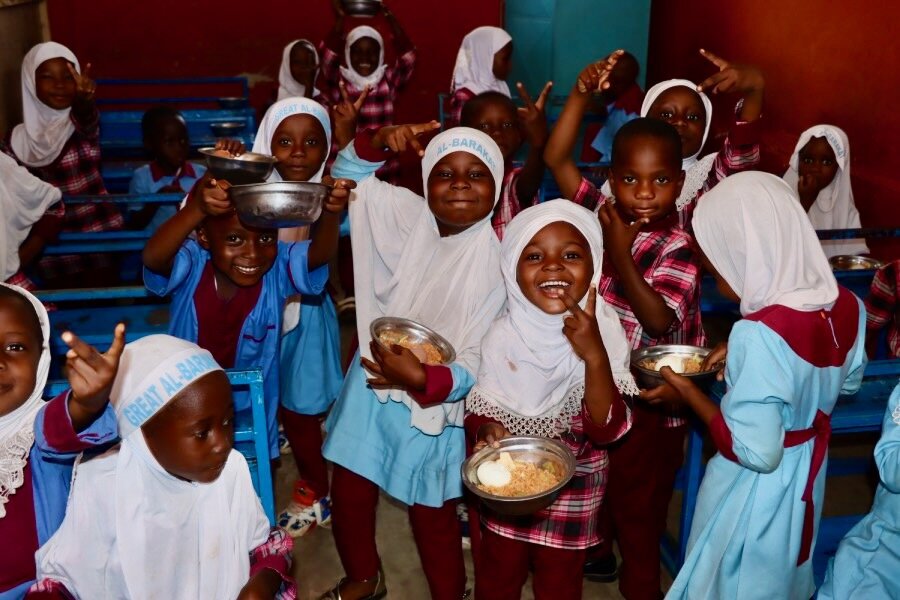
I remember the harmattan mornings in Tishegu, in northern Ghana, the fine dust settling on our desks, the dry wind brushing against our faces as we walked barefoot or in worn-out sandals to school.
Some mornings, I left home with nothing in my stomach. The maize my father harvested on his two-acre farm could only feed our family of 24 for a few months.
My mother would try her best. The little she earned as a hawker at least guaranteed us an evening meal. But in those seasons when food was scarce, breakfast was a luxury.
I would sit in class, the teacher’s voice drifting in and out as my stomach tightened in protest. The chalkboard seemed blurrier on those days. Concentration required strength I did not always have.
But there was one thing that kept me going: the promise of a World Food Programme (WFP) meal at school. That became my salvation for breakfast and lunch.
In those kitchens, you see strength. In those farms, you see resilience. In those classrooms, you see possibility.
Around midday, you could smell it before you saw it. The smoke rising from the cooking area. The sound of metal ladles hitting the sides of large pots. The quiet excitement among pupils as our metal and plastic bowls appeared from school bags waiting to be served.
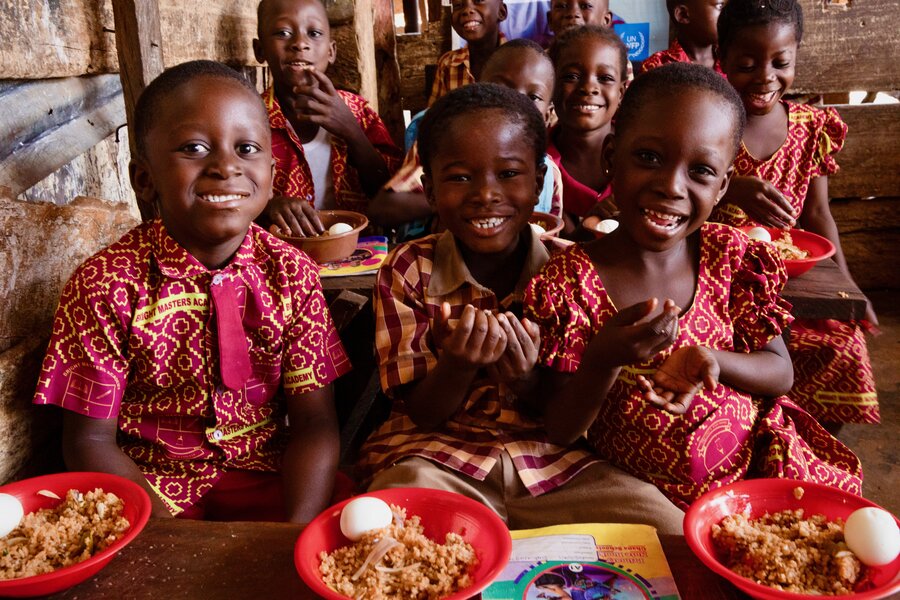
A designated student would hit a metallic bell with a stone, signalling it was time to eat. The cooks would fill my green plastic bowl with rice and gravy stew or with peanut soup. Sometimes we had beans with gari, which is popularly referred to in Ghana as ‘Gobe.'
That meal changed everything.
It wasn’t just food. It was relief. It was energy. It was dignity.
It meant I could focus on the afternoon lessons. It meant I didn’t have to pretend I wasn’t hungry. It meant my mother could breathe a little easier, knowing that at least one of her children would eat that day.
For many of us, that food was the reason we stayed in school. Those WFP meals worked their energy-magic on me so I could finish primary and later high school. They gave me the foundation to pursue my passion in communications at university. They nurtured my dream to become a humanitarian.
Years later, life brought me back to those same dusty communities, but this time as a communications officer wearing a vest with the WFP logo. Now, I am sharing the stories of other children receiving school meals with the wider world – so people understand that school feeding is not charity. It is an investment. It is strategy. It is transformation woven across students, farmers, and women.
In a country where 2.4 million children are malnourished, WFP's work with the Government of Ghana fills the stomachs of 3 million young pupils. We are safeguarding the future of 3 million leaders – including 60,000 in northern Ghana, where I grew up.
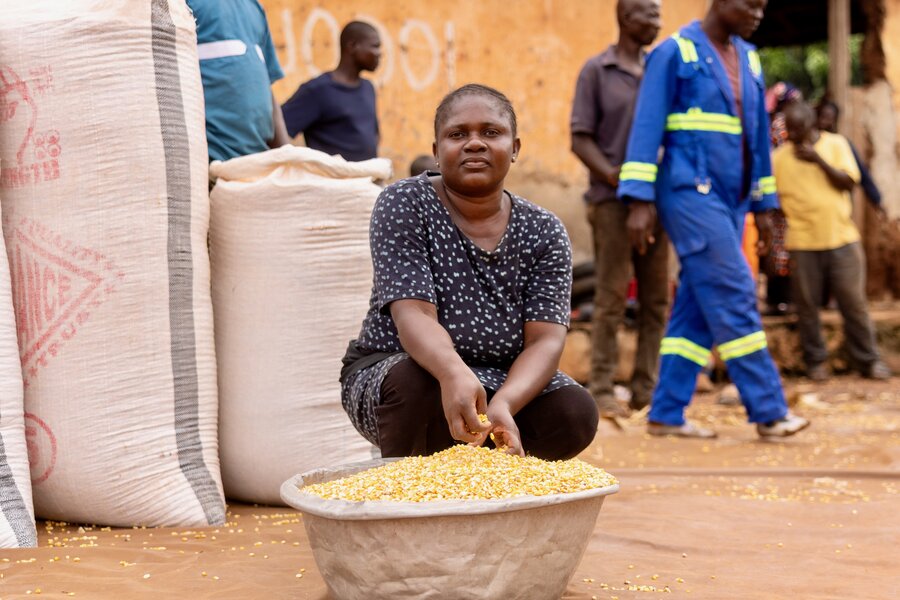
But what moves me just as much is what happens beyond the classroom. The food served up is purchased from smallholder farmers. Men and women like my parents, who once struggled to find reliable markets for their maize, rice, or legumes because they lacked proper storage for their harvests. Now, those crops feed young students from their own communities.
And then there are the cooks. Women who rise early each morning to light fires, fetch water, wash ingredients, and prepare meals in large pots under simple wooden sheds covered with zinc. I have watched them stir and serve steaming food with pride – knowing they are earning an income for their families.
In those kitchens, you see strength.
In those farms, you see resilience.
In those classrooms, you see possibility.
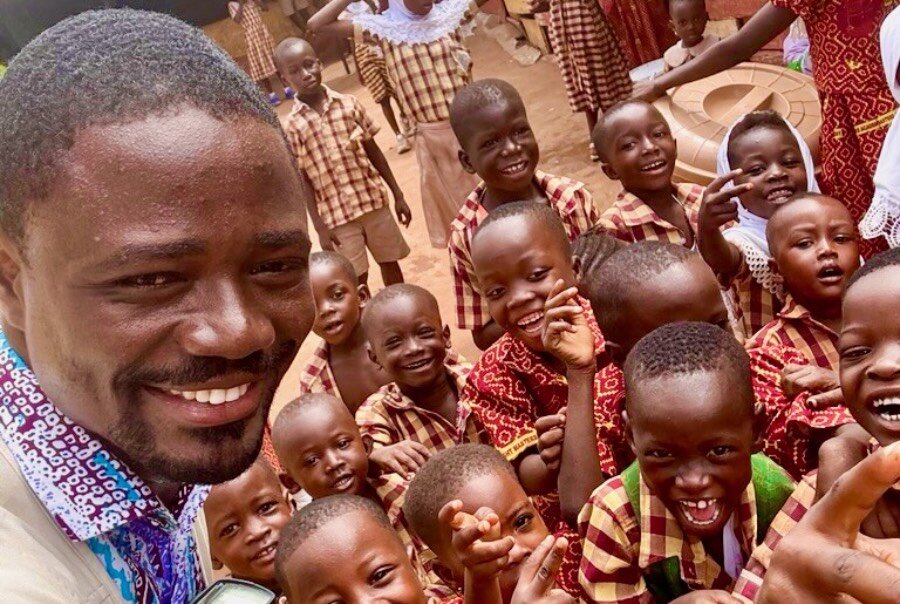
The first time I visited a school in the north for WFP, I paused for a moment. There they were: rows of children seated patiently, bowls in hand, eyes bright with anticipation. The aroma from the cooking pots filled the air, just like it did when I was a boy.
That is why International School Meals Day is deeply personal to me.
Because I know what it feels like to sit in a classroom fighting hunger.
I know what it feels like to wait for that bowl to be filled.
And I know what it means to have those meals protect an education, strengthen a community and help build a future – one serving at a time.
WFP's school meals programme in Ghana is made possible thanks to support from the United States of America.