
Sudan’s war three years on: shattered dreams, soaring hunger, shrinking aid
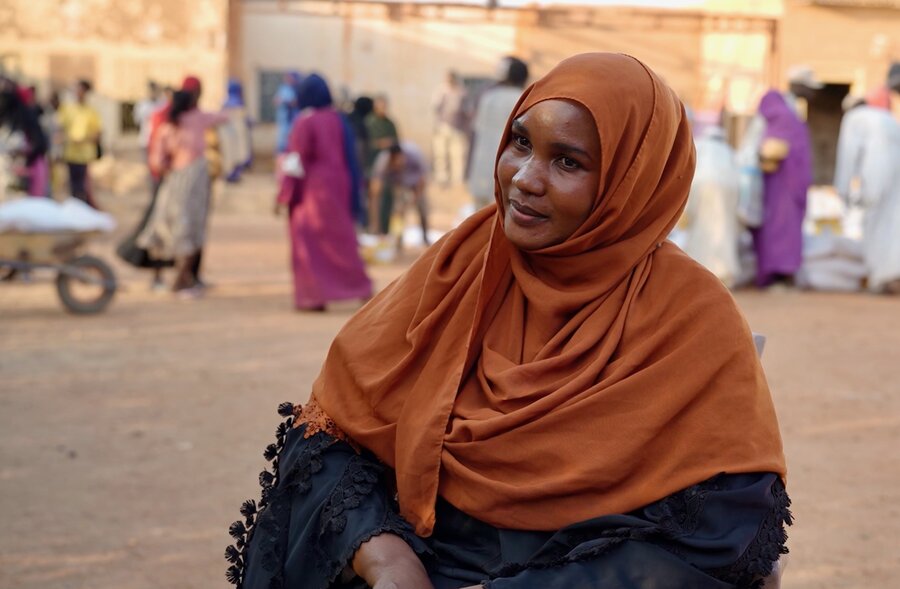
Salma remembers when neighbours shared meals, and meat and fruit were plentiful in the western Sudanese city of El Fasher.
Shadia dreams of returning to her farming community where ties were strong and families could always “find solutions”.
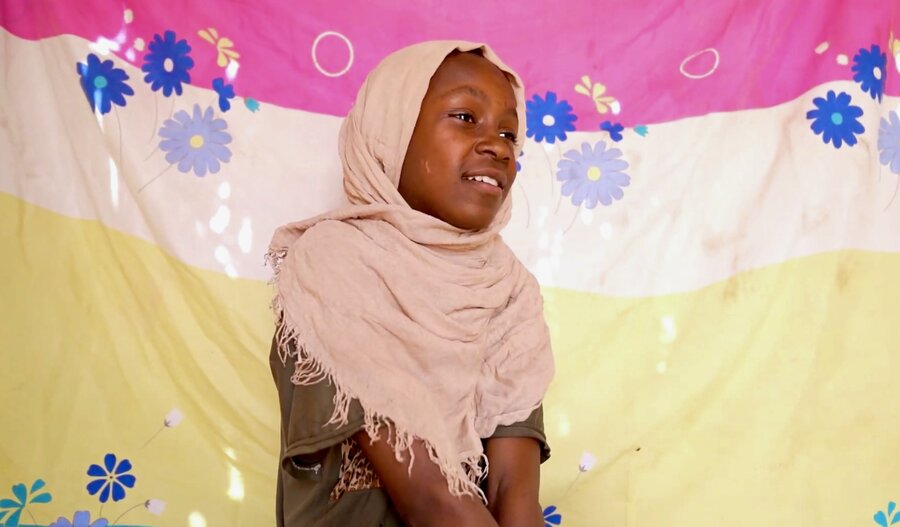
Aya is haunted by ongoing violence that killed her neighbours and shattered a once-ordinary life of studying, television and weekend trips. Today, the 14-year-old lives in a dusty tent camp, and fears being hit by gunfire if she goes out.
“We had a very good life before the war,” says Aya, who hopes to become a surgeon when she grows up. “But since it started, everything has been turned upside down.”
“Here in Sudan, hunger and violence are reinforcing each other in a vicious cycle of desperation." – WFP Deputy Executive Director Carl Skau
All three are casualties of the world’s biggest humanitarian emergency as Sudan’s civil war enters its fourth year this week. The brutal conflict, spilling across borders, has left nearly 34 million people needing aid – and will be the focus of a high-level conference in Berlin on Wednesday (15 April).
Today nearly one in four Sudanese is displaced, and nearly two in five struggle with acute or worse food insecurity. Indeed, two areas of the country, including Salma’s native El Fasher, have tipped into famine – the rarest and most catastrophic hunger scenario – which continues to haunt some areas of the country.
“Here in Sudan, hunger and violence are reinforcing each other in a vicious cycle of desperation,” says World Food Programme (WFP) Deputy Executive Director Carl Skau, speaking from Tawila, in North Darfur State, where more than 650,000 displaced people have sought refuge. “The conflict has ravaged livelihoods, uprooted communities and driven millions of people into hunger.”
In Tawila and elsewhere in the country, WFP’s food, cash and nutrition assistance, reaching 3.5 million people every month, is literally saving lives. In areas where fragile stability has gained a foothold, our support allows Sudanese farmers to boost their harvests, schoolchildren to receive nourishing meals and war-shattered families to start over.
But dwindling humanitarian funding and the impact of the Middle East conflict – sharply pushing up food, fuel and WFP’s operational costs – risks deepening hunger and unravelling hard-won gains.
“This assistance saves lives,” Skau says. “It keeps families going and it holds communities together.”
'New beginning’ in Khartoum
In February, the WFP-managed United Nations Humanitarian Air Service resumed its first regular fights for aid workers to Khartoum in nearly three years. WFP is also planning to move our country office back to the Sudanese capital.
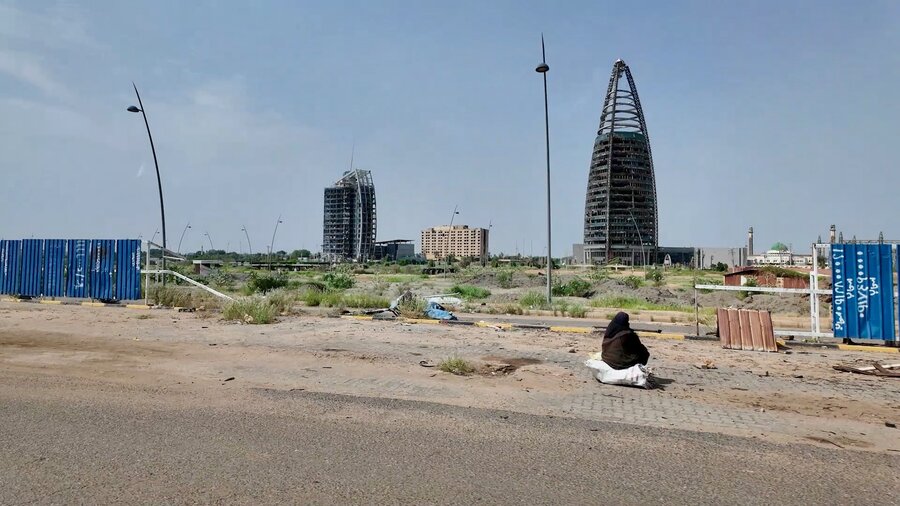
The once-bustling city bears deep scars of conflict. Burned-out vehicles line roads cutting through destroyed business centres and residential neighbourhoods. High-rise buildings stand like skeletons against a sky that remains largely dark at night.
Even so, Khartoum residents who fled the war-battered capital are returning: clearing up debris from looted and damaged homes, hooking into often patchy utility services and sending their children back to school. Tens of thousands of other conflict-displaced Sudanese are also flocking to the city, hoping to find sustenance and security – including Salma and her family who arrived from El Fasher three months ago.
“We went through many hardships along the way,” she says, describing how her husband was hit in the head by a stray bullet, leaving him unable to work. (WFP does not use last names of displaced people for their security).
In Khartoum, Salma’s family received blankets and sleeping mats, along with a few cooking and eating utensils. Neighbours help out when they can, she says, but she misses the days of peace and plenty, when her eight children ate what they wanted and she didn’t have to worry about their safety when they went out.
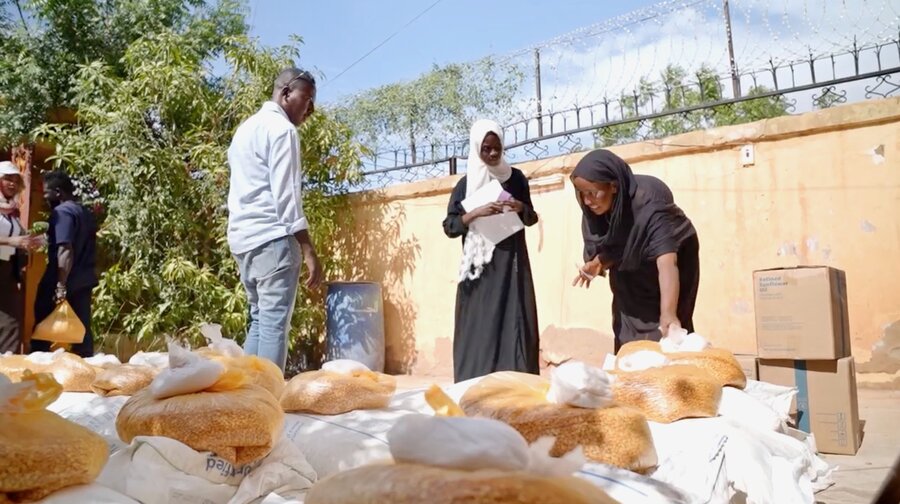
Still, "today I feel as if I’ve been given a new beginning,” Salma says, as she picks up WFP food assistance in Khartoum, including flour, vegetable oil and salt.
Need to do more

Last year, WFP helped to push back some of the worst hunger in the country. Reaching more than 12 million people in 2025, our assistance has included treatment for malnourished mothers and young children, and meals and take-home rations for primary schoolchildren. WFP-supported farmers have produced nearly one fifth of the country’s wheat, strengthening the local economy and reducing food insecurity.
But this year, a funding shortfall is forcing us to prioritize assistance for only the very hungriest people. Even then, we are cutting rations to the bare minimum.
At WFP distribution sites, the brutal reality of hunger is evident: women and children crowding around WFP cars, lingering and looking across fences after being told they are not selected for assistance this time.
“We are asking our donors to give the support we need – to provide the right support to the many Sudanese living in hard conditions.” – WFP Sudan Country Director Abdallah Alwardat
“We are doing everything possible as the World Food Programme, but we need to do more,” says WFP Sudan Country Director Abdallah Alwardat. “We are asking our donors to give the support we need – to provide the right support to the many Sudanese living in hard conditions.”
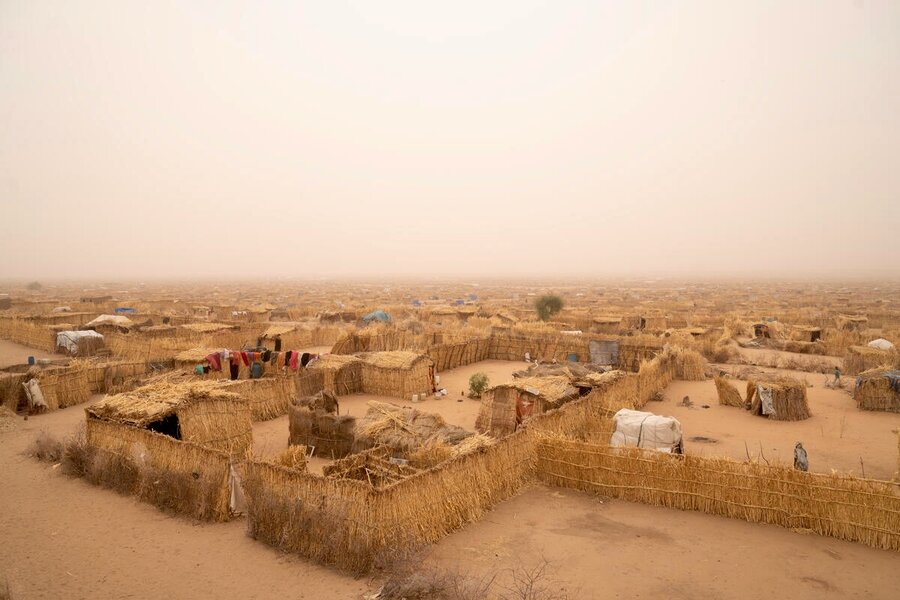
At a desolate, sand-whipped displacement camp in Tawila, Shadia counts among those still receiving WFP assistance, which allows her family to eat. Like Salma, she has eight children, whom she must now raise alone since her husband died last August. She describes surviving in the besieged city of El Fasher thanks to food shared by neighbours – before fleeing and moving from place to place in search of safety.
“I’m too stunned to think of what will happen if the aid suddenly stops,” Shadia says, contemplating even returning to El Fasher. “As farmers, we always grow crops,” she adds. “If we are able to go back, we have a strong community there.”
Student Aya and her family also ended up in Tawila. She, too, reminisces about the past, and is haunted by the war.
“We lost our neighbours and our families,” she says. “For myself and other children, I wish for a real childhood – for safety, stability, and the chance to go back to school.”