
Tackling hunger in 2025: Stories you may have missed
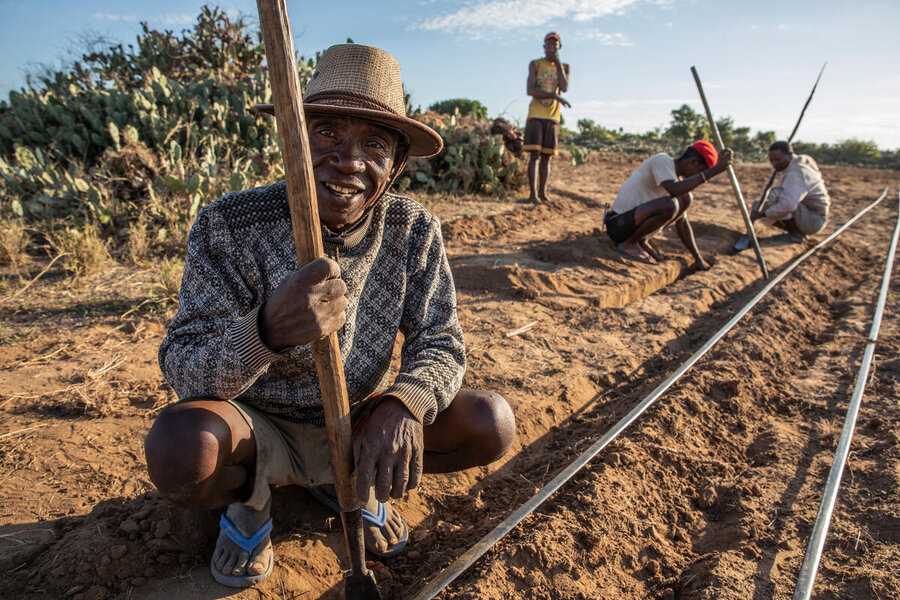
The past year was another of immense humanitarian challenges, as a relentless tide of emergencies and surging needs continued unabated. At the same time, funding and restricted access were among major obstacles to reaching the most vulnerable people who depend on our support.
Despite this, the World Food Programme was ever-present on the frontlines, helping pull communities back from the brink and to build resilience to future shocks wherever possible.
Throughout the year, the people we serve regularly gave voice to the impact of humanitarian action and the perils of inaction. Our in-house experts talked about everything from the devastating impact of conflict to the role of school feeding as a bedrock of our long-term resilience programmes.
Below, is a selection of the stories that you may have missed...
Communities power up their food security across Africa
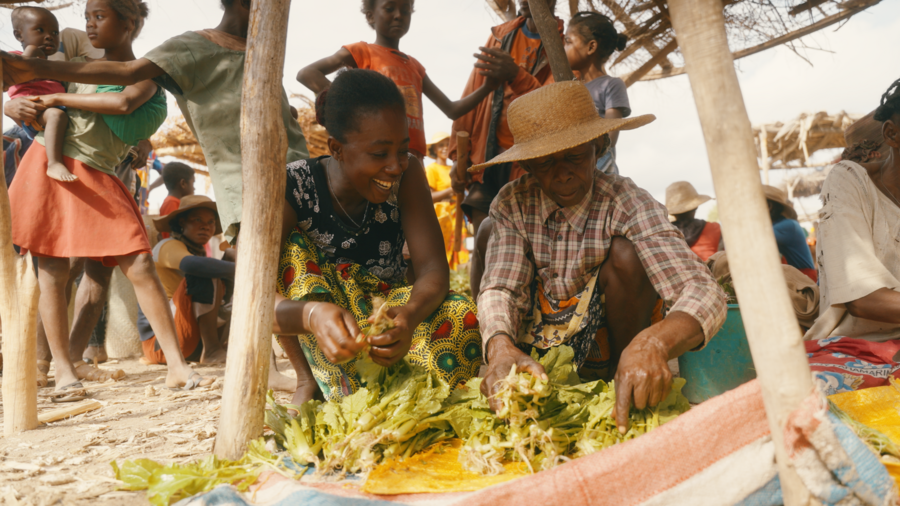
“May-June sweet potato harvests that never arrive. Children showing signs of acute malnutrition – and some even dying, during one particularly harsh and unrelenting dry spell – in a country on the front lines of climate change.”
Rolled out in six southern African countries, this initiative helps kickstart rural development and promote food security through solar-powered pumps and irrigation systems, skills training and digital platforms that deliver education and health care to extremely remote rural areas. Read here.
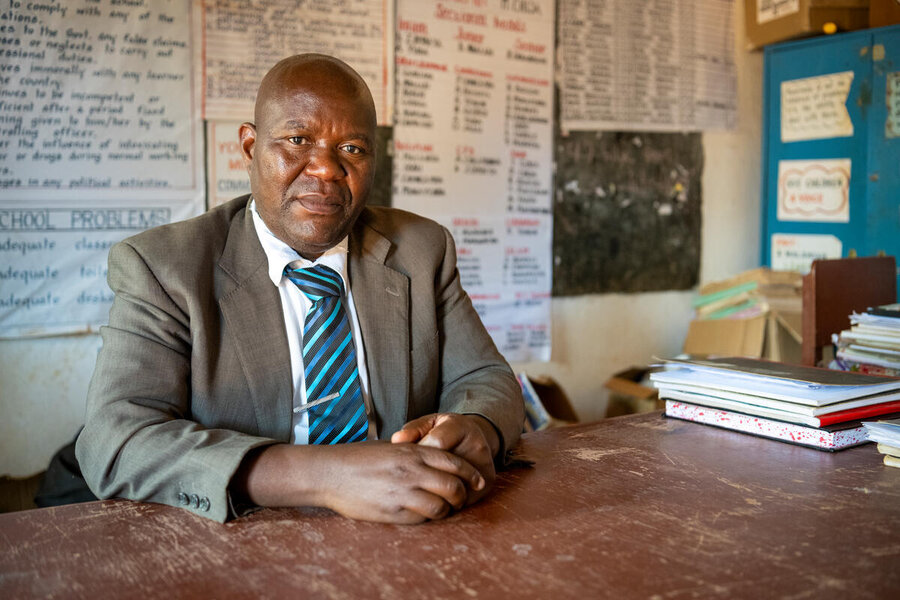
Meanwhile, in Malawi’s southern Zomba District, a primary school operating with no computers or high tech sight maintains a deep respect for learning and inclusion. Read here.
WFP school meals offer a vital lifeline
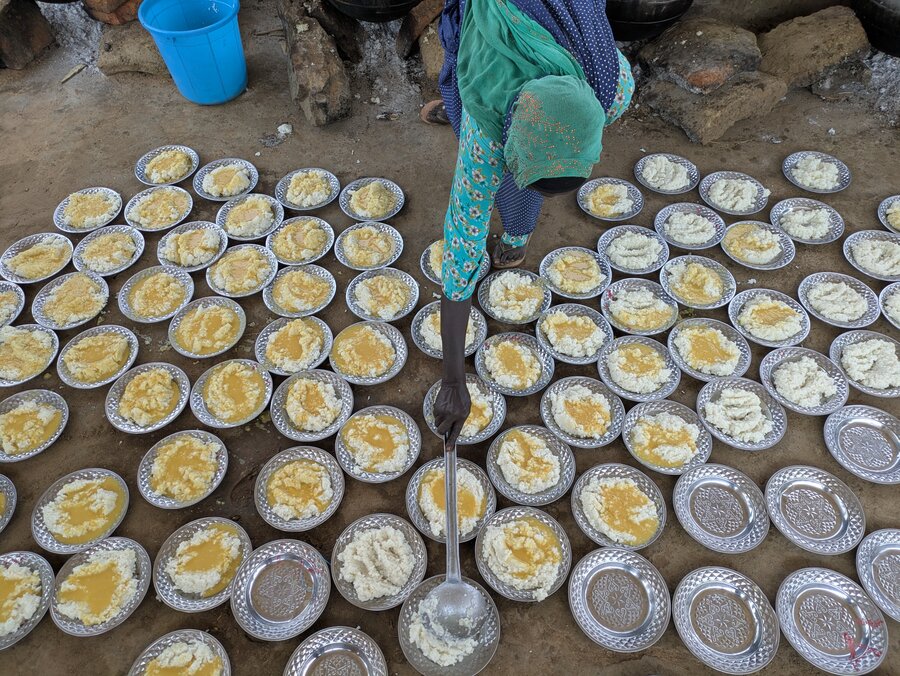
When the school bell rings, students shoot out of packed classrooms, youngest ones first, heading for steaming plates of rice and split peas – meals that are supported by WFP. For Jumayi, who hails from this remote village, there is an extra bonus: mealtimes are a chance to see her best friend Mariam, a refugee from Sudan’s brutal war, raging across the border. Continue reading.
Cashing in chips against hunger in Colombia
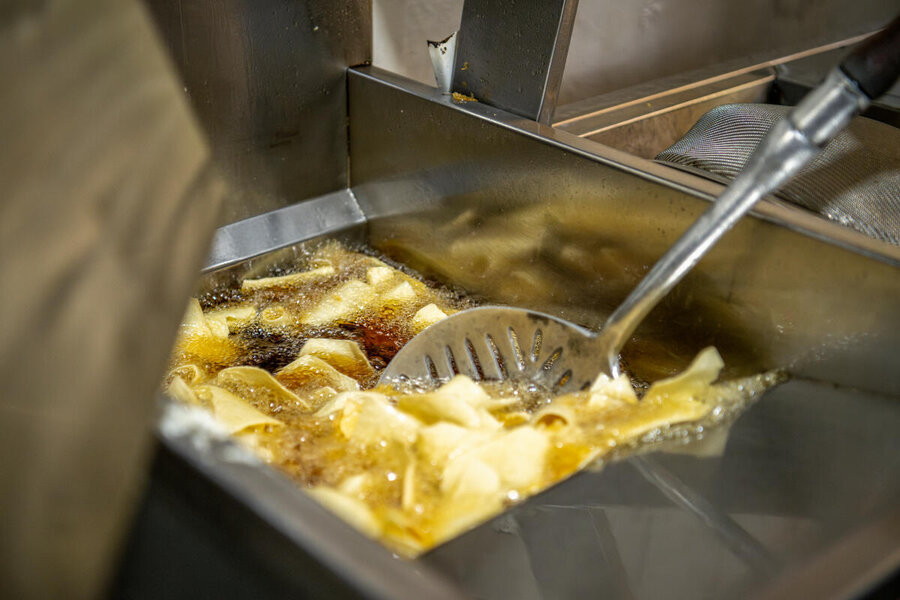
In the village of Bajo Calima in Colombia’s main Pacific port, Buenaventura, papachina growers, now supported by the World Food Programme (WFP), came together to embark on a new enterprise: creating nutritious chips – professionally branded for retail. In 2024, their dream had became a crisp reality.
Similar to the Chinese potato, papachina (taro) is a root crop rich in fibre, calcium, potassium and vitamins.
Among the farmers is Daira, who is intent on furthering the training she's received from WFP to become an entrepreneur in her own right. As well as putting food on the table for her six daughters, she is inspiring them with a sense of independence. Continue reading.
Aid cuts jeopardize life-saving response
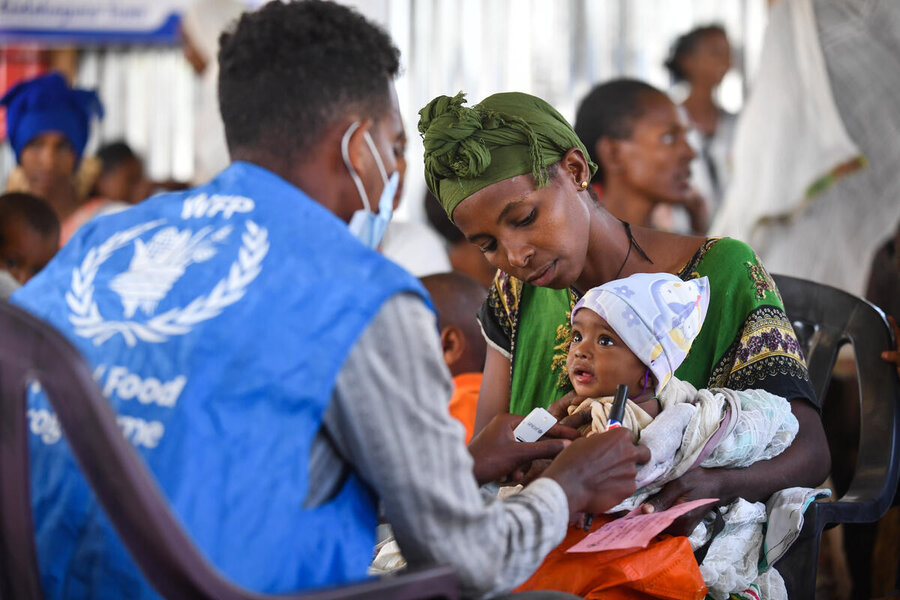
At a crowded health post in northern Ethiopia, Belaynesh Berihu cradles tiny daughter Eldana, as a health worker slips a coloured tape around the infant’s arm to gauge malnourishment.
“She eats very little, she doesn’t have an appetite,” says Berihu, whose daughter weighed less than 2 kg at birth. Berihu, too, is painfully thin - surviving on a diet of mostly wheat and teff-based bread. She is still recovering from months of imprisonment by an armed group. Today, the 25-year-old mother doesn’t have enough milk to nurse her baby. Continue reading.
Rethinking nutrition for a generation born into conflict
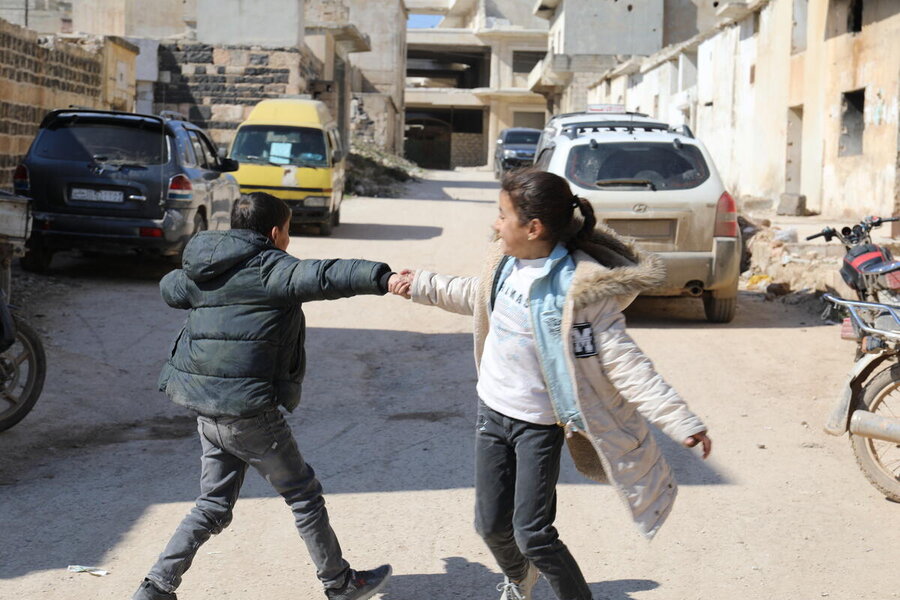
Historically, “Syria never had an issue with malnutrition in children,” says Yasmine Lababidi, World Food Programme (WFP) team lead for nutrition and school feeding in Damascus. Even amid conflict, children remained relatively protected, thanks to the sacrifices of adults, such as skipping meals.
But after more than a decade of war, economic collapse, a global pandemic, the devastating earthquake of 2023 and fallout from the conflict in Lebanon in the final months of 2024, the situation has drastically changed. Continue reading.
US wheat helps power humanitarian aid
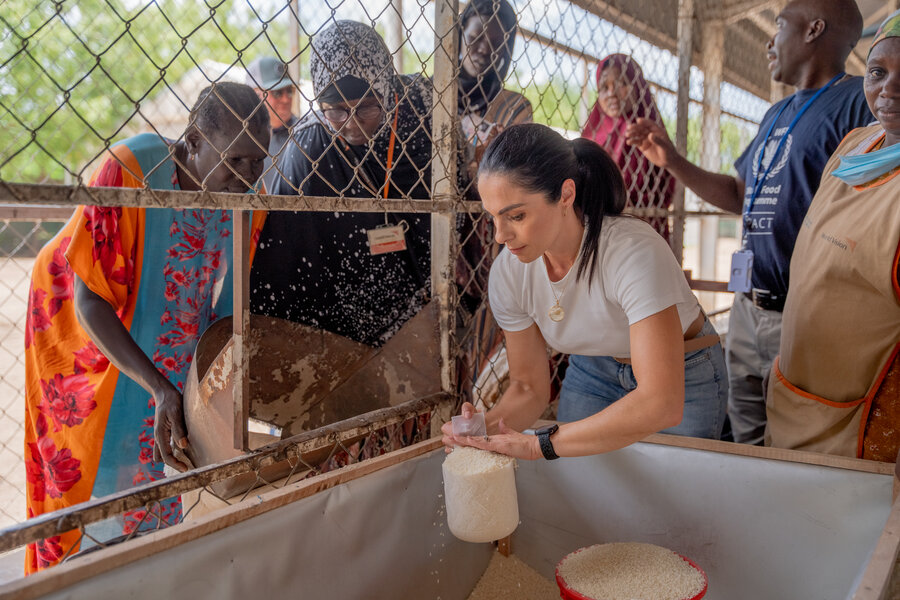
The connections between Kansas and Kakuma are forged by hunger - and by the midwestern state’s long legacy as an agricultural powerhouse. On any given year, Kansan farmers like Keesling grow nearly one quarter of America’s hard red winter wheat. Read here
'Life-changing': farmers revamp age-old growing practices
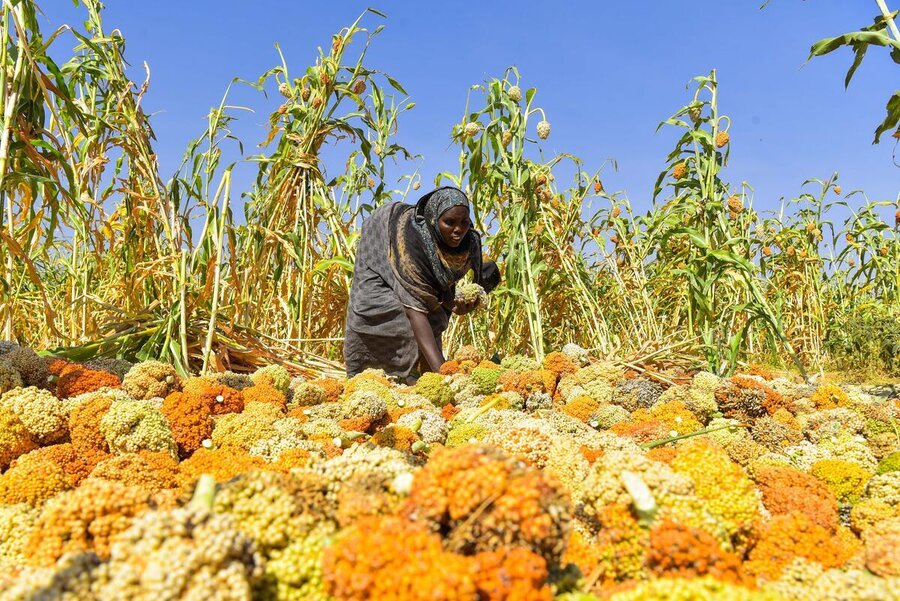
As Ethiopia holds a major food systems summit in Addis Ababa, examples of smallholder farmers like Abate - who are moving from subsistence harvests to growing the food sold in markets and served up in schools - illustrate the country’s strides in transforming its food system, with support from organizations like WFP. Read here.
How sesame seeds are helping farmers grow a profit
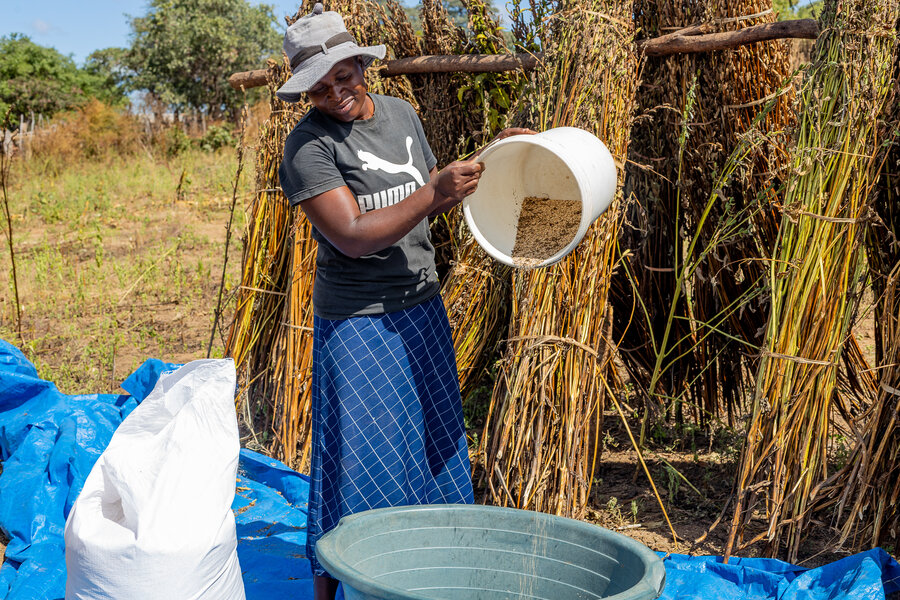
Bumper harvests of the drought-resistant crop ring in food security – and export income – for smallholders with support from the Government of Japan and WFP.
“In the sun-scorched fields of Zimbabwe’s southern Mwenezi District, where rainfall is rare, a quiet revolution is sprouting - one tiny sesame seed at a time. Bumper harvests of the drought-resistant crop ring in food security – and export income – for smallholders...” Read here
How only an end to conflict can stop spiralling hunger
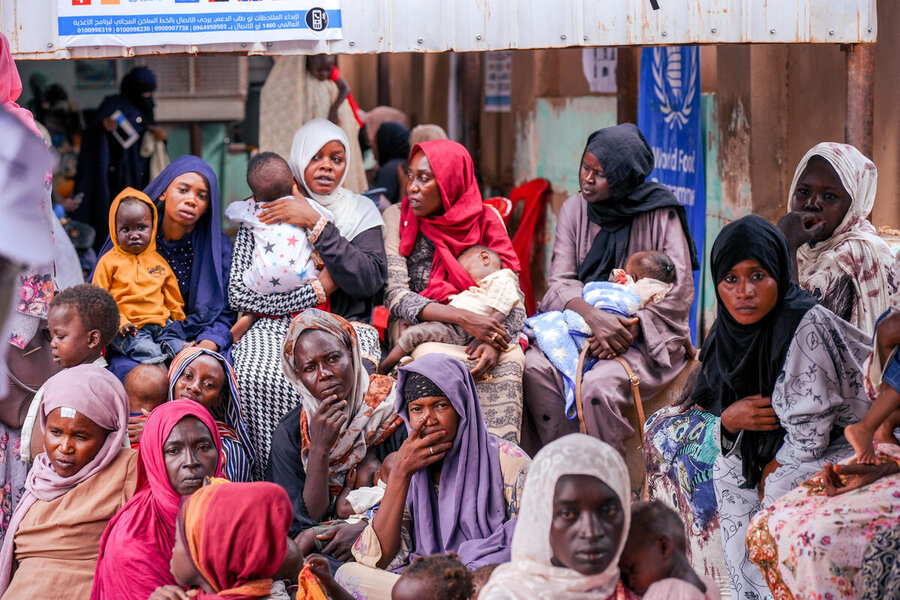
Ross Smith, WFP’s Director of Emergency Preparedness and Response, describes what WFP sees on the ground, the gaps in funding, and how conflict is deepening urgency. Read here.
Asia and the Pacific surge ahead on food fortification
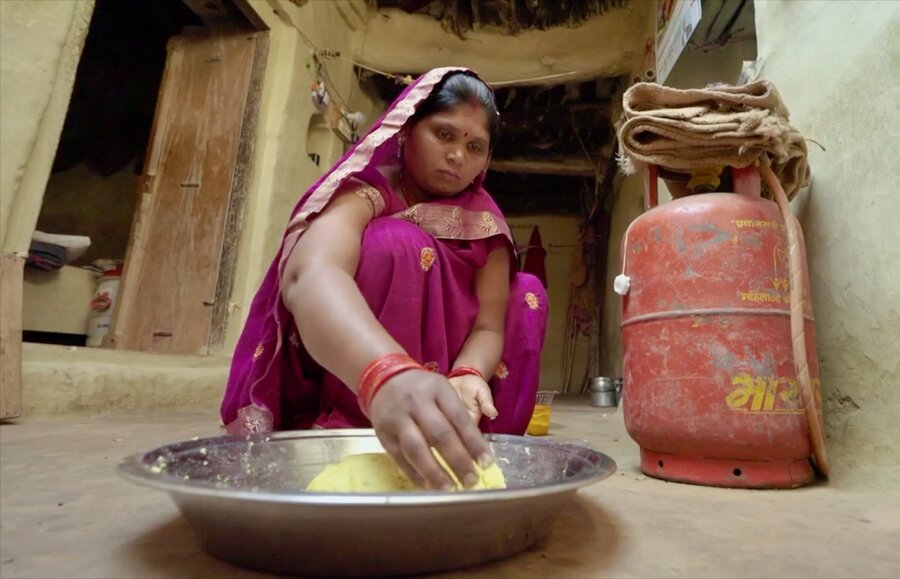
For Suryakali Vishwakarma, all rice is not created equal. The pearly grains might look and taste the same. But the fortified rice, along with wheat, that she collects from a Government village shop in northern India’s Uttar Pradesh State - both packed with essential vitamins and minerals - have become her go-to staples. Read here. (And here for our follow-up rice story.)
Pathways to food security in the Amazon
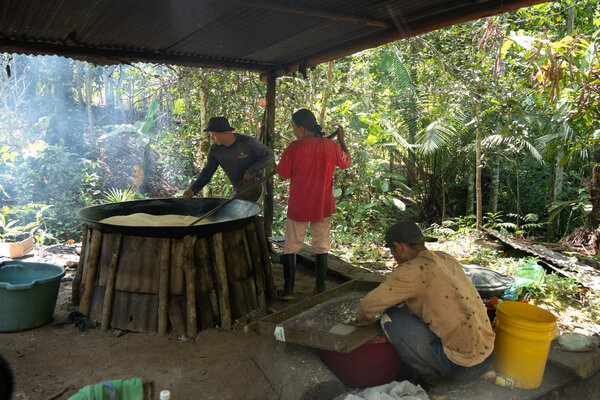
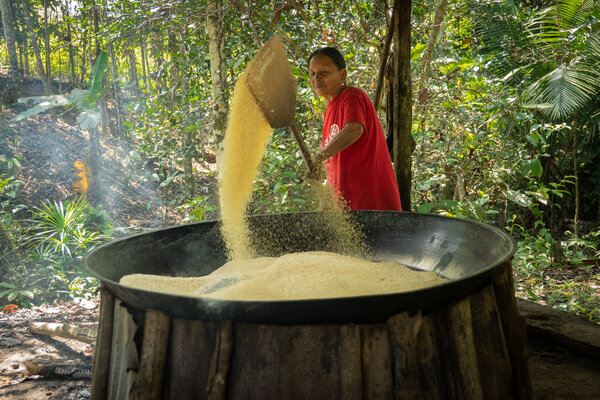
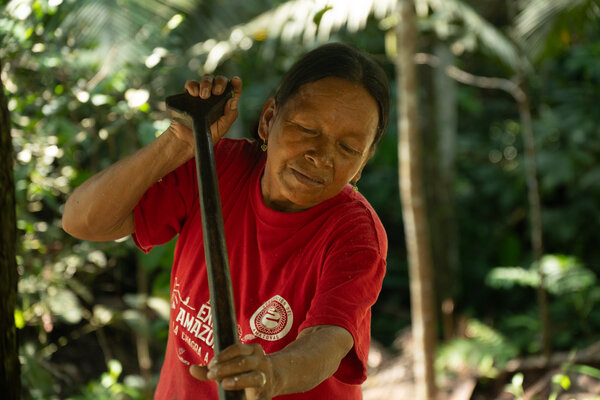
Meet Ligia Valero Ahué in her farm just outside Nueva Esperanza, one of the 26 mostly Indigenous communities WFP is supporting in the Amazonas department of Colombia. As we speak, the lush greenery around us and the air thick with humidity are at odds with her tale of the drought that struck the area in 2024. Read here.
Meanwhile, in the rocky hills of central Isiolo County in Kenya, WFP and partners train communities to protect their ancestral land from erosion and build resilience to hunger.
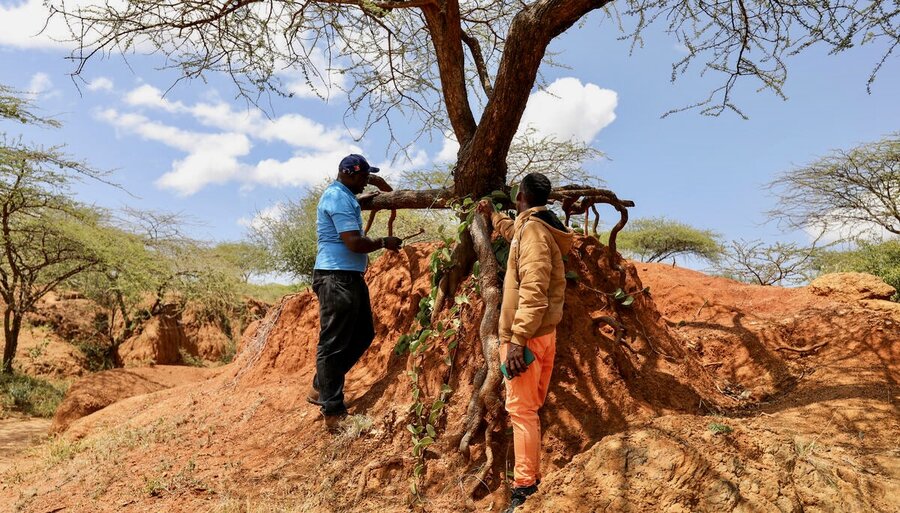
“IStanding on the edge of a metre-deep trench dug into the red earth, John Lekupes and John Lerosion point to the acacia tree on the other side...” Read here.
Afghanistan: Women and girls in the front line as hunger deepens
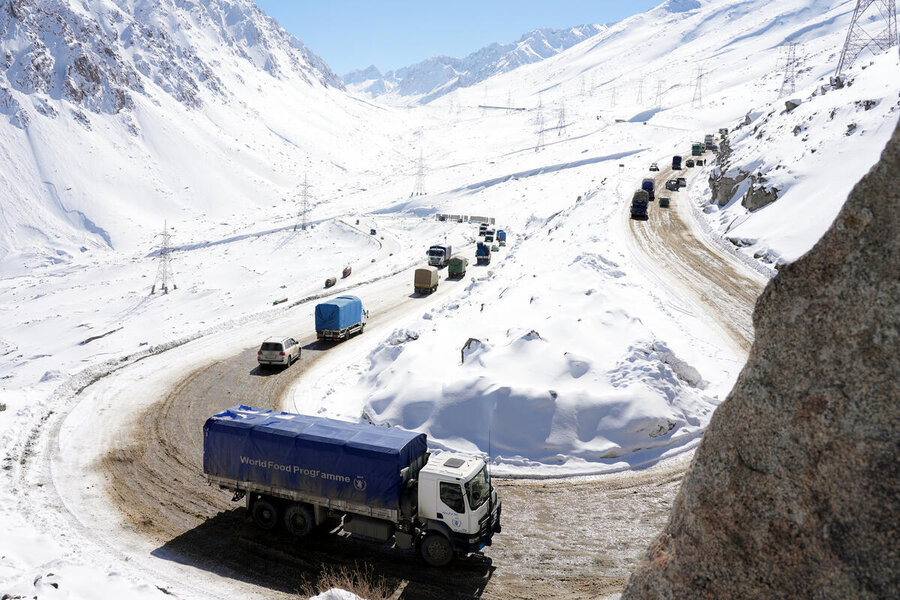
As winter sets in across Afghanistan, so does dread. “There’s usually a peak in child mortality in December and January, even in a good year, when temperatures plummet,” says John Aylieff, Country Director for WFP in Kabul. Read here.