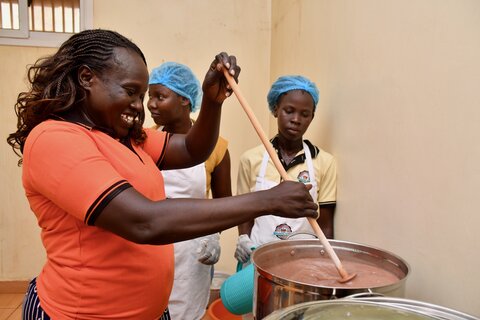
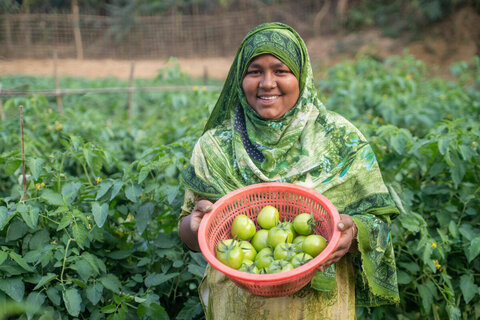
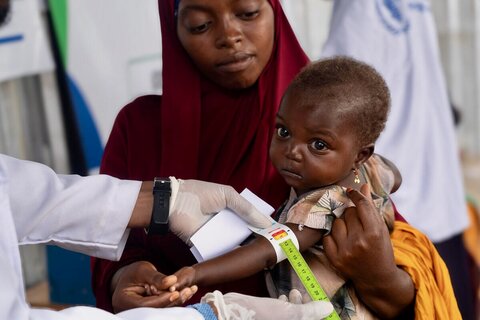
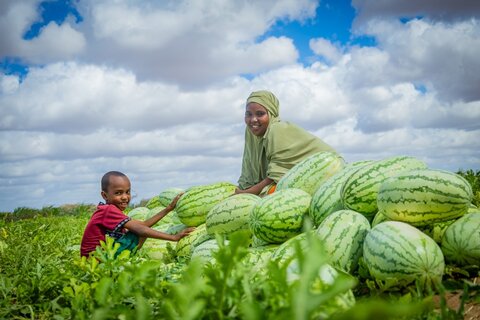
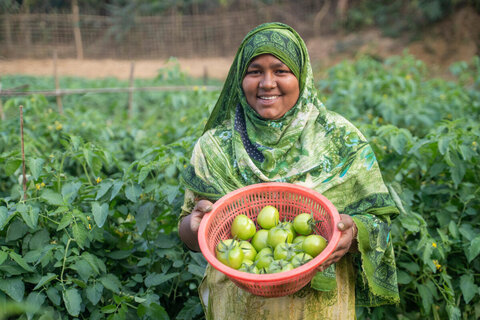
The theme of this year's World Food Day is 'Innovate Today, Nourish Tomorrow'. Here, we report on the WFP-supported entrepreneurs who are creating businesses that connect farmers to markets, improve nutrition, strengthen food security and drive economic growth.
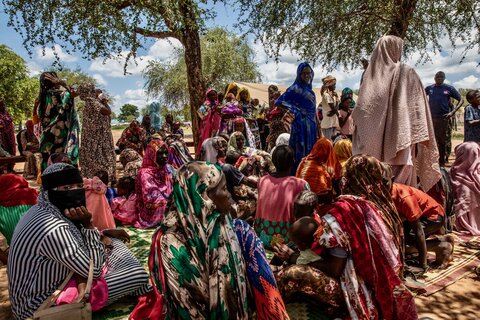
WFP is reaching tens of thousands of uprooted people with food assistance, but limited access, stretched funding and high food prices threaten our response.
Forecasts suggest one of the strongest El Niño events on record could worsen food insecurity across vulnerable regions. Here's what it means – and how WFP is acting before disaster strikes.
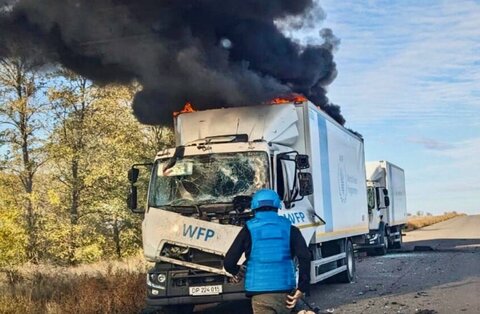
WFP drivers in Ukraine face a risky but crucial mission: delivering food and other life-saving supplies along the country’s 1,200-km frontline, where strikes on humanitarian vehicles have risen sharply over the past year.
Conflicts in the Strait of Hormuz, the Red Sea and the Black Sea are disrupting global trade routes for food, fuel and fertilizer, with consequences for food security around the world.
As the 2026-27 El Niño intensifies, WFP climate expert Richard Choularton explains why millions could face hunger and food insecurity, which regions are most at risk from droughts, floods and storms, and why early action is essential.
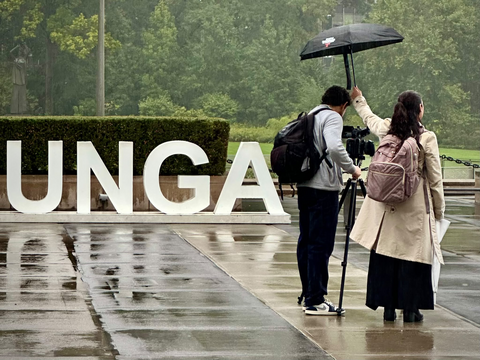
At this year's United Nations General Assembly, WFP joined governments and partners to push for stronger action on hunger, resilience and humanitarian funding.
Choosing a charity can feel overwhelming. Here are answers to common questions about donating, supporting people facing hunger and understanding how the World Food Programme (WFP) uses people’s money to support those who need it most.
WFP is working with the Government of Somalia and partners to prepare communities for El Niño-intensified rains in a country facing food insecurity, conflict, funding cuts and climate shocks.
WFP’s Country Director in Kenya reflects on how we are working with the Government and communities to turn water, farming and local enterprise into opportunities to overcome hunger and build a more resilient future.
Three months into the deadly Bundibugyo outbreak, the stories of three Congolese in Ebola-affected areas show how the virus is disrupting livelihoods and driving food insecurity – and why WFP food assistance and funding are critical to containing it.
WFP’s community-supported initiative is restoring degraded ecosystems in five sub-Saharan African countries – building food security, incomes and bonds in the process.
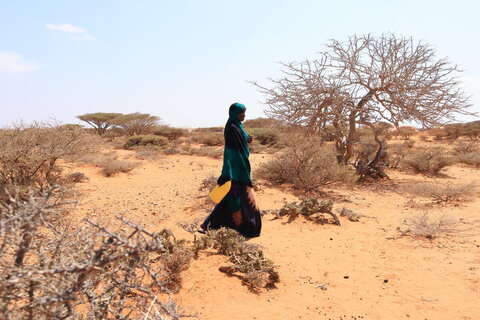
As drought and failed rains drive up hunger in Uganda’s driest region, here's how WFP and Ugandan authorities are building local resilience so families can survive the crisis.
WFP and other humanitarians warn that refugees and asylum seekers in South Sudan, many of them fleeing conflict in neighbouring Sudan, face severe hunger – as shrinking contributions threaten a vital food and nutrition lifeline and threaten progress in building self-reliance.
On World Humanitarian Day, WFP's Venezuelan colleagues Sarco Contreras and Blanca Narvaez share how they are supporting quake-hit people with food and empathy – while confronting their own losses.
Learn key facts about the 2026 Ebola outbreak in the Democratic Republic of the Congo (DRC), including how the virus spreads and why it is worsening hunger and food insecurity.