
How the Middle East crisis is deepening hunger far beyond the front lines
This article was updated on 30 April 2026 in line with latest developments and statistics.
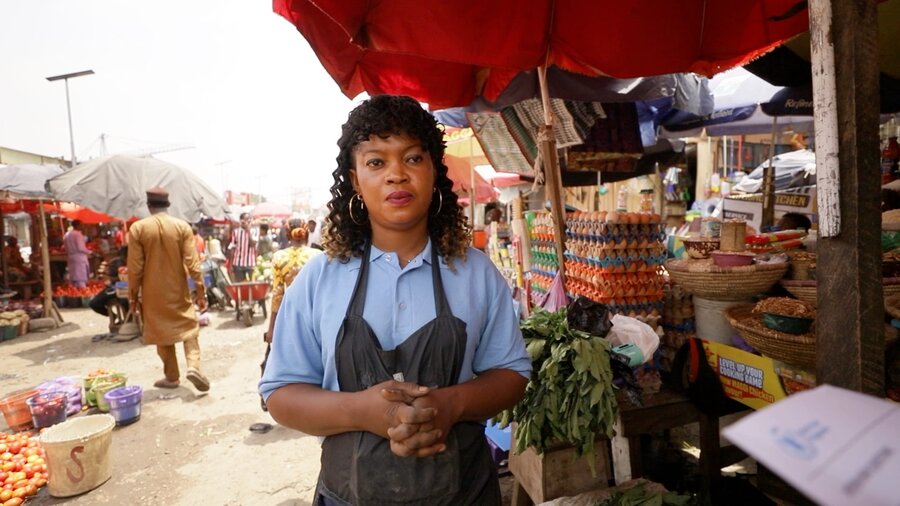
At a bustling food market in Nigeria’s capital, Abuja, Mummy Christiana breaks down in tears as she describes how a conflict thousands of kilometres away is affecting her family. “It’s affecting me a lot,” she says. “With my 5,000 naira (about US$3.70), I can hardly buy anything.”
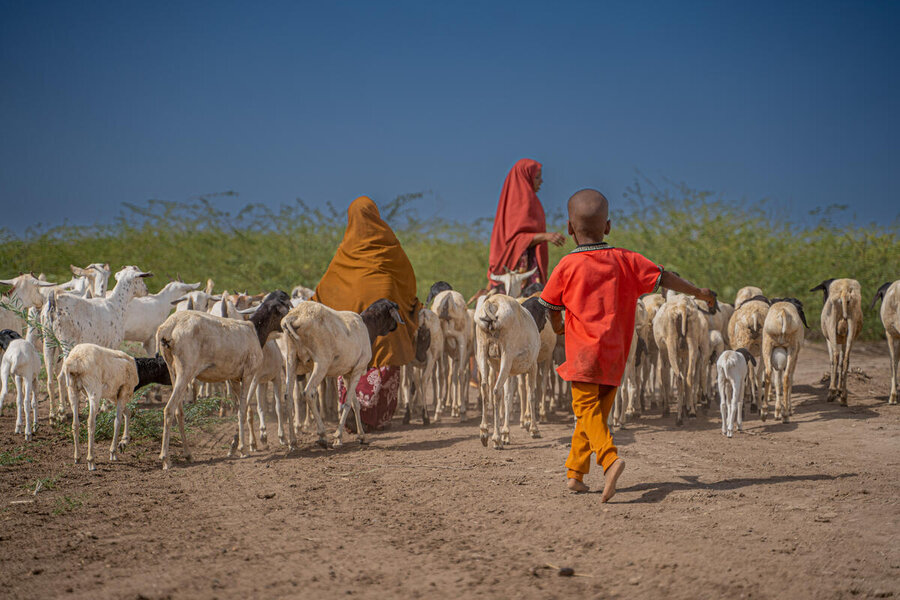
In Somalia, Mogadishu resident Aweys faces transport costs that have soared as petrol prices spike. “The same is happening with food prices – they are going up by the day,” he says.
A continent away in Myanmar, the fallout from the Middle East crisis is already reverberating across the country, with costs rising even for staples like rice – particularly in the most vulnerable and hardest-to-reach areas. The added pressure comes as many communities are still struggling to recover from the country’s devastating 2025 earthquake.
A distant conflict, a daily struggle
More than two months into a Middle East crisis with no clear end in sight, the strongest ripple effects are being felt by the world’s poorest and most vulnerable people – some living continents away. Transport delays, port congestion and disrupted supply chains are making it much more time-consuming and costly to deliver energy, fertilizer, food and medicines to where they are most needed.
Maritime operations are expected to take four to five months to stabilize, even if conditions improve. Congested ports, vessel rerouting, longer transit times and equipment constraints are continuing to slow deliveries and add pressure across global supply chains.
Shipping costs have risen by as much as 25 percent, driven by higher insurance premiums, increased fuel prices and longer shipping routes as vessels divert away from affected waterways.
A devastating impact on hunger
The World Food Programme (WFP) projects that 45 million additional people could tip into hunger if the conflict does not ease by the middle of the year. Nearly two‑thirds live in Africa and Asia – the two regions hardest hit by the spillover. That would bring the global total to 363 million people facing acute food insecurity, the highest level on record.
“The impact is clear,” says Corinne Fleischer, WFP Director of Supply Chain, of the many already struggling with the fallout. “When supply chains are disrupted, it’s felt when they cash out at the supermarket. Delays and higher transport costs push up food prices, and families who spend 50 to 70 percent of their income on food are the first to go without.”
"Humanitarian supply chains...are literal lifelines for millions of people already on the brink of hunger.” Corinne Fleischer, WFP Director of Supply Chain
At the same time, every additional dollar required to deliver assistance means fewer people can be reached. Already, conflict‑linked inflation has forced WFP to stop assisting 1.5 million people – a figure that could climb sharply in 2026 if operational costs remain high.
“Keeping humanitarian supply chains moving is not optional,” Fleischer adds. “They are literal lifelines for millions of people already on the brink of hunger.”
Smallholder farmers face mounting pressure
WFP warns this is the most significant humanitarian supply‑chain disruption since the COVID‑19 pandemic and the onset of the war in Ukraine, with maritime operations the most affected. Ongoing backlogs, delays and diversions are continuing to disrupt the flow of food, fuel and critical supplies worldwide.
The conflict’s spillover is also hitting the world’s 500 million smallholder farmers, most of them in Asia and sub‑Saharan Africa. Together, they produce around one‑third of the world’s food, yet many now face higher costs and delayed fertilizer shipments just as planting seasons begin.
Fertilizer shortages or late deliveries risk smaller harvests, lower incomes and further pressure on food availability in the months ahead.
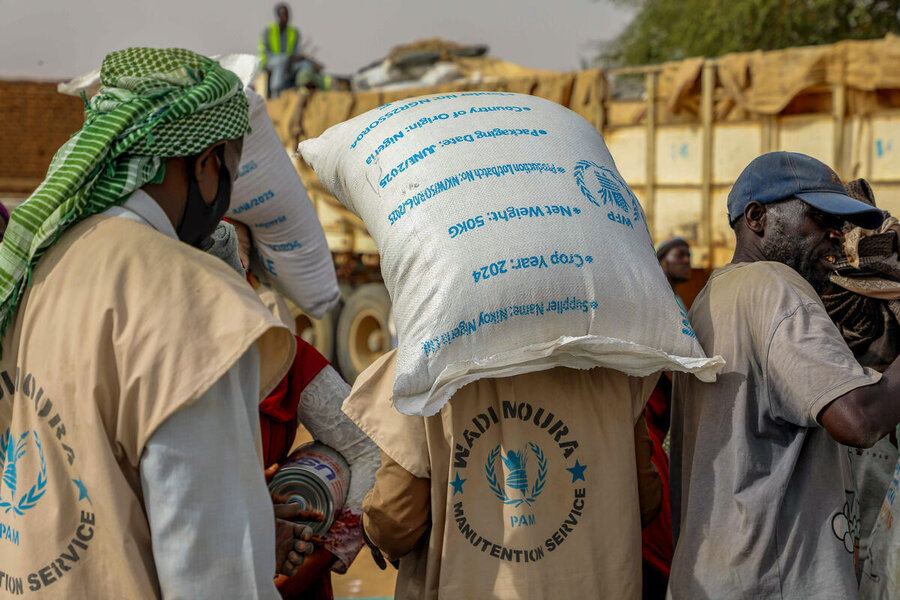
In parts of Africa, supply chain disruptions linked to the Middle East and the Red Sea are forcing food and aid shipments to reroute around the Cape of Good Hope – driving up costs and transit times, with deliveries to countries such as Sudan among the most affected.
“The shelves won’t necessarily be empty – it’s that people won’t be able to afford what’s on them.” Moctar Aboubacar, WFP Head of Vulnerability Analysis and Mapping for Eastern and Southern Africa
WFP is adapting by sourcing supplies closer to operations whenever possible, and adjusting logistics plans to keep food moving.
“There are a lot of moving pieces in how these impacts are felt,” says Moctar Aboubacar, WFP Head of Vulnerability Analysis and Mapping for Eastern and Southern Africa. “The shelves won’t necessarily be empty — it’s that people won’t be able to afford what’s on them.”
In Kenya, where the crisis has already reduced Ramadan meat exports, farmers are now struggling to secure scarce fertilizer ahead of the planting season. In some key food‑basket regions, reports describe farmers lining up in the early hours of the morning to access rationed supplies.
Across the region, rising transport and fuel costs are also hitting humanitarian operations. “When transport costs increase, we have less money to procure food,” says Francesco Catenacci, a WFP logistics officer in the region. “When oil prices go up, food prices follow.”
Supporting governments to cushion the shock
In West and Central Africa, the full effects of the conflict are only beginning to emerge, but WFP warns that if disruptions persist, millions more could tip into hunger. Simulations show that even modest price increases in basic food baskets could force households to spend the vast majority of their income on food alone.
At the Abuja market, food trader Gift – a mother of four – is already seeing the impact. “We see prices rising for transport, for everything,” she says. “Customers get angry, but we are also suffering. I can’t give up – I have to feed my children.”
WFP is working with governments across the region to model potential shocks and plan responses if transport and food prices climb further in the months ahead.
Rationing and fertilizer shortages
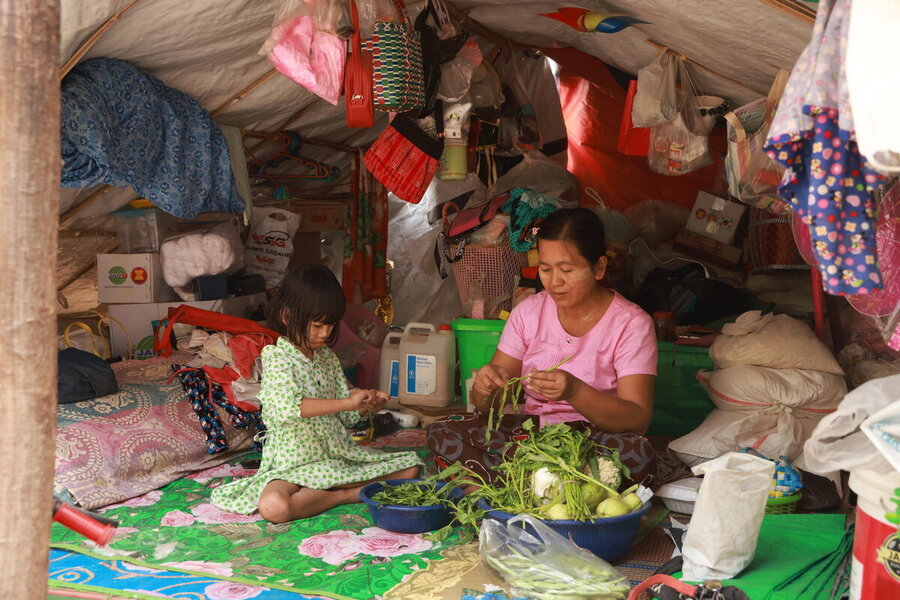
In Asia, where many countries rely heavily on Middle Eastern energy imports, fuel and food prices are also rising sharply. In Myanmar, shortages have led to rationing and long queues at petrol stations, while farmers preparing for monsoon planting face difficulties accessing imported fertilizer.
“The cost of living is rising substantially,” says Takahiro Utsumi, WFP’s Head of Research, Assessment and Monitoring in Myanmar, where 12.4 million people are already acutely food‑insecure. “We expect this pressure to continue.”
WFP is adapting its response by planning longer food distributions, sourcing locally where possible and expanding cash‑based assistance to reduce transport costs. But without additional funding, growing needs and rising prices will place increasing strain on operations.
“If it drags on,” Utsumi warns, “it will only add to the misery of millions of people already enduring multiple crises. More lives will be pushed over the brink.”