
Why the Middle East conflict threatens record levels of hunger
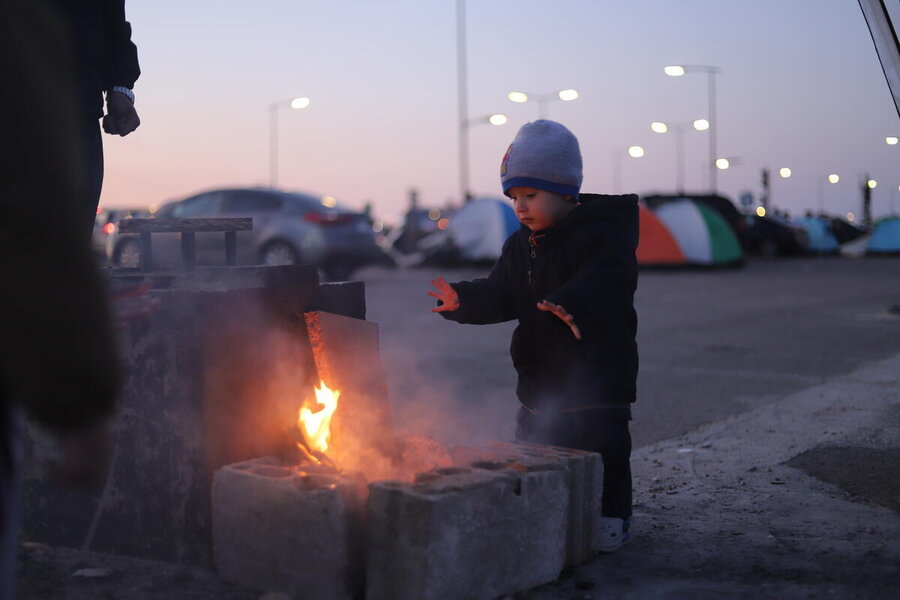
- Middle East conflict is displacing families and sharply restricting access to food, driving rising hunger.
- Disrupted supply lines and soaring fuel and shipping costs are pushing food prices higher globally.
- WFP is scaling up food and cash assistance and re-routing supply chains to keep life‑saving aid moving.
What is happening in the Middle East and how does it affect global hunger?
Conflict across parts of the Middle East is triggering a rapidly unfolding humanitarian crisis. As violence intensifies, civilians are being displaced at speed, livelihoods disrupted and access to food made more difficult — often overnight. For many families, this comes on top of years of economic strain, conflict or displacement, leaving little capacity to cope and stave off hunger.
The consequences are not confined to areas directly affected by violence. The Middle East plays a critical role in global energy, transport and trade systems. As fuel supplies, shipping routes and markets are disrupted, the effects ripple outwards, increasing hunger risks well beyond the region.
How is the escalation affecting people’s ability to access food in the region
Conflict affects food security in immediate, practical ways:
- Displacement: Cuts families off from jobs, land and markets. In Lebanon, mass displacement is compounding an already severe economic crisis, with hundreds of shelters opening as needs rise.
- Supply lines: Insecurity and damaged infrastructure make it harder for food to reach shops — and for people to reach food. In Gaza, the latest escalation has severely disrupted food access, with border closures further straining availability.
- Price spikes: Border and market disruptions are driving sharp increases in food prices, especially fresh foods. Even where limited access has resumed, prices remain high and supplies remain restricted. In Iran, high food inflation leaves households little capacity to absorb new shocks.
Why does the Middle East conflict affect hunger beyond the region?
The escalation is unfolding in a region that is central to global fuel supplies and shipping routes. When these systems are disrupted, the cost of moving food, fuel and other goods like fertilizer can rise dramatically.
Humanitarian supply chains are facing some of the most severe disruption seen since COVID-19 and the war in Ukraine. Security risks in key maritime corridors have already led to delays, re-routing and sharply higher transport costs for life-saving food assistance.
Higher fuel and transport costs feed through the entire food system, increasing prices in local markets far from the Middle East.
Why are the world’s most vulnerable countries at greatest risk?
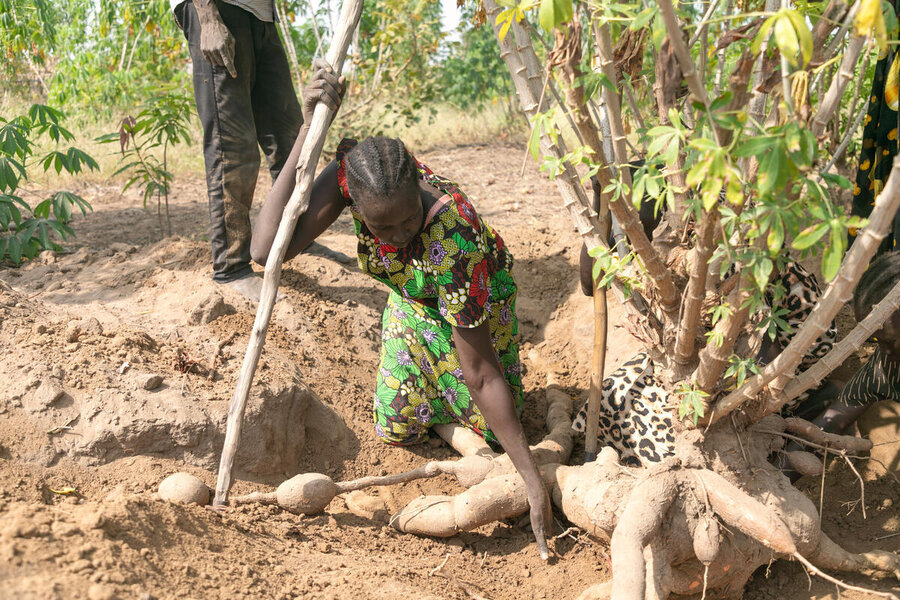
Countries that rely heavily on imported food, fuel and fertilizers are especially exposed to global price shocks. In parts of sub-Saharan Africa, farmers entering planting season risk being unable to treat their crops, resulting in lower yields and higher food prices in the months ahead. Even small increases in costs can push vulnerable families into crisis.
The ripple effects of the Middle East escalation are also affecting parts of Asia, where many economies depend on imports and households already face tight purchasing power. In Afghanistan, the emergency adds to multiple crises affecting vulnerable families, including conflict with Pakistan and two major earthquakes in 2025. Escalating conflict could force Afghans in Iran to return home, where they may struggle to access food.
These pressures are reinforcing a broader global food crisis, where conflict, climate extremes and economic shocks are converging to push hunger to record levels.
How is WFP responding to the conflict in the Middle East and its impact?
WFP activated a rapid response, drawing on extensive experience in complex emergencies and building on emergency preparedness measures, contingency planning and pre‑positioned food stocks. In Lebanon, for example, WFP reached 230,000 people with a combination of food and cash within the first two weeks and distributed more than 1 million hot meals.
Across affected countries, WFP is providing food assistance and cash support, tailored to each context. In Lebanon and Iran, where markets are functioning but purchasing power has been hit by displacement and inflation, WFP is expanding cash‑based assistance to help families buy food locally and maintain access to basic diets. In Gaza, where access is far more constrained, WFP continues to deliver food assistance to reach the most vulnerable.
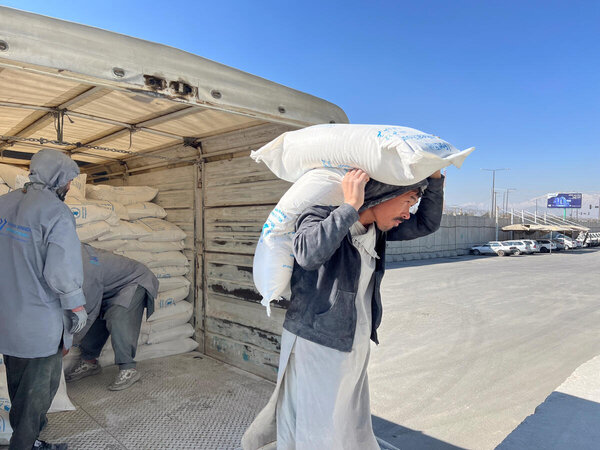
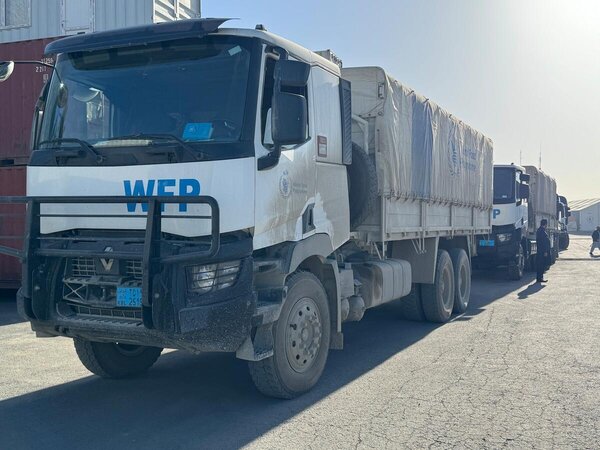
A critical part of WFP’s work is keeping humanitarian supply chains moving at a global scale. A core element of this involves coordinating with every humanitarian organization on the ground, sharing facilities, providing services and sharing expert guidance, as lead agency of the humanitarian Logistics Cluster. As routes become more constrained, WFP is adapting by re-routing shipments, identifying alternative corridors and prioritising deliveries to ensure lifesaving food reaches people in need despite rising costs and disruption.
What are the risks if the escalation continues?
If the escalation continues and fuel prices remain high, the consequences for global hunger could be severe. WFP analysis indicates that an additional 45 million people could be pushed into acute hunger due to rising food and fuel costs and supply chain disruptions — pushing the global total to a record 363 million people.
At the same time, rising operational costs and critically low funding are placing additional strain on humanitarian responses. WFP’s shipping costs have already risen sharply, meaning less food can be purchased and delivered with available resources.
Without predictable access, protected infrastructure and urgent funding, recent gains against hunger in some of the world’s most vulnerable contexts could quickly unravel. Acting now to protect food access, support displaced families and sustain humanitarian supply chains can help prevent a deeper global hunger crisis.