
WFP-led hub keeps humanitarian aid moving amid Middle East crisis
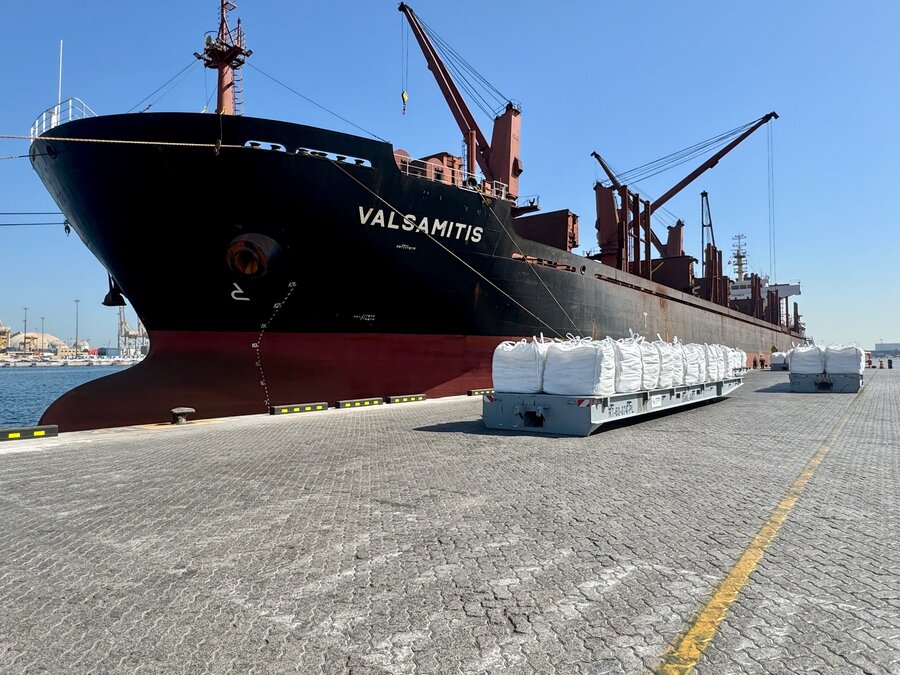
Alex Marianelli paces briskly through the echoing halls of the World Food Programme’s (WFP) warehouse in Dubai, phone in hand. A global crisis is unfolding, as the Middle East conflict upends key shipping lanes and supply chains. But in back-to-back calls, WFP’s Director of the Global Supply Chain Support Centre in the United Arab Emirates (UAE) speaks with a steady voice as he secures new overland routes for stranded sea-bound aid shipments.
On the other end of the line are maritime authorities, suppliers and humanitarian partners, all of whom Marianelli must co-ordinate to keep life-saving cargo moving. With key shipping artery the Strait of Hormuz now effectively closed, time is slipping. Millions of lives worldwide depend on swift action.
“Dubai’s hub was built for moments like these. We swiftly step in when emergencies strike." – Walid Ibrahim, WFP Network Coordinator for UN Humanitarian Response Depot
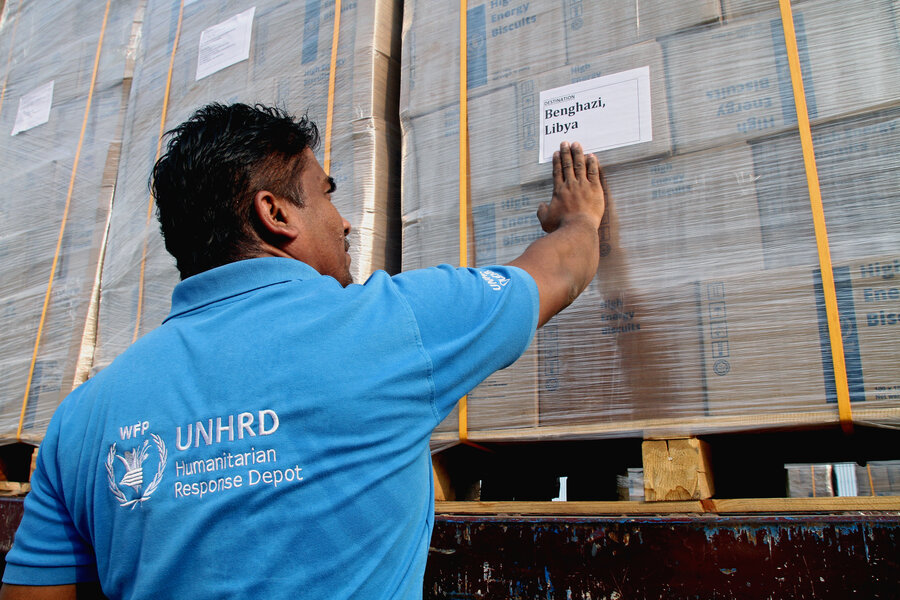
Pivotal to rapid re-routing is the United Nations Humanitarian Response Depot (UNHRD) in Dubai, where Marianelli is negotiating alternatives, one of a global network of five WFP-managed emergency hubs for the humanitarian community.
A sprawling cluster of warehouses, 22 km from Dubai’s strategic Jebel Ali Port, the depot manages, pre-positions and dispatches emergency supplies and cargo on behalf of dozens of humanitarian partners. Shipped by air, sea or land, those supplies head to two-thirds of the world’s communities in hard-to-reach areas of conflict.
Now, as the Middle East war sends global food, energy and fertilizer prices soaring, and threatens to sharply deepen food insecurity, the Dubai depot is working around the clock to find alternative corridors for the stranded humanitarian shipments it now stores.
A global disruption
“What’s happening now is on par with COVID‑19 and the Ukraine war,” Marianelli says. “It’s a global supply chain disruption, not a localized issue. Ships are stuck, carriers are avoiding the Strait of Hormuz, and everything is taking longer and costing more.”
Even during less tumultuous times, the depot plays a critical role in getting mostly non-food relief – including mobile storage units, hygiene kits, tents, water systems and medical supplies – to where it’s needed. In 2025, it moved nearly 5,000 metric tons of assistance worth over US$44 million to 74 countries on behalf of humanitarian partners.
The aid is dispatched via sea shipments, commercial and chartered flights and trucks overland to some of the world’s hardest‑hit areas. Over the years, these shipments have been critical to sustaining emergency operations in Afghanistan, Gaza, Sri Lanka and other hotspots across Africa, the Middle East and Asia.
The stakes are especially high today. This latest Middle East crisis has triggered the worst global energy shock in history. New WFP findings show that steep spikes in fuel, energy and fertilizer costs threaten to push up to 45 million more people into acute hunger.
A race against time
Despite war damage in parts of the UAE, the Dubai hub remains fully operational. And as stranded shipments pile up at Jebel Ali Port – a critical maritime stop for global carriers linking Gulf routes heading to Asia, Europe and the Americas – the WFP-managed depot is now receiving and handling hundreds of metric tons of food and nutrition aid, along with its usual non-food items.
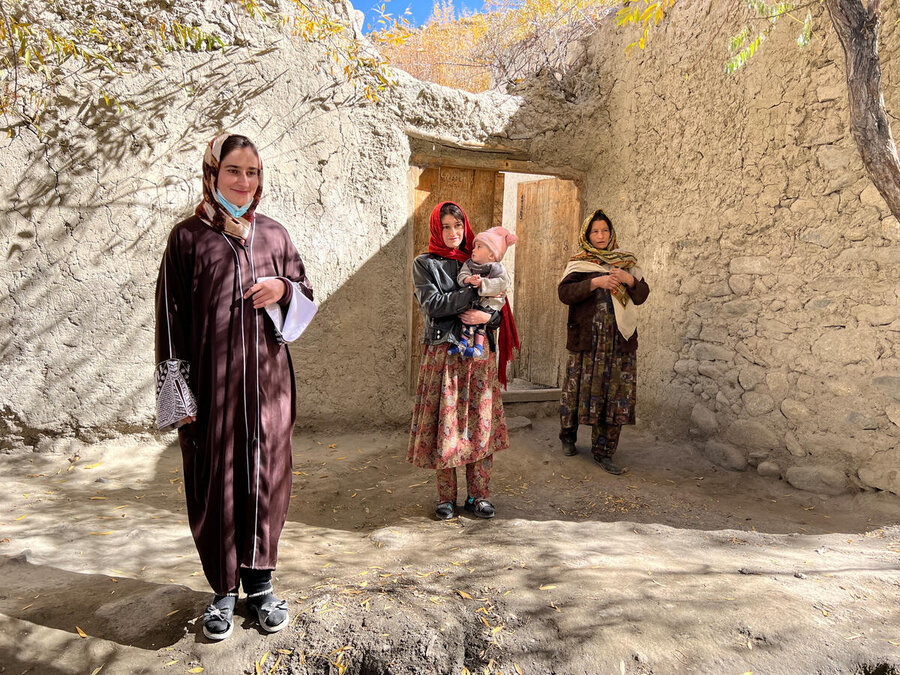
That includes nutrition support destined for Afghanistan, where 4.9 million mothers and children face hunger and malnutrition. Today, 56 massive containers of nutrient-packed Super Cereal are piled up in the hub’s large concrete storage halls, part of a deluge of assistance waiting to move on.
“Dubai’s hub was built for moments like these," says Walid Ibrahim, Network Coordinator for the hub. "We swiftly step in when emergencies strike. We problem solve for the humanitarian community."
“What’s happening now is on par with COVID‑19 and the Ukraine war,” says Alex Marianelli, WFP Director of the Global Supply Chain Support Centre in the United Arab Emirates.
To accommodate the surge, the Government of Dubai has granted extra storage at Dubai Humanitarian, an independent free zone where the hub is located that serves as an operational base for UN agencies and nongovernmental groups.
The Afghanistan-bound cargo will be prepared for an overland detour – possibly trucked via a raft of countries, from Saudi Arabia to Turkmenistan – adding to transit costs and time, but getting WFP assistance to malnourished Afghans in the safest way possible.
“We are reworking transport routes to find safer alternatives to deliver aid and keep these lifelines going,” said WFP’s Marianelli. “We’re in a race against time to get humanitarian aid to people who are in greatest need.”