
WFP acts to keep food moving as Middle East conflict escalates
What is the biggest challenge facing WFP?
The disruption to the global transport market. The Strait of Hormuz between Iran and Oman is the Gulf’s only sea passage and is currently closed, while ships are avoiding the pivotal Suez Canal in Egypt. This has caused a huge backlog and significantly increased the cost of fuel in particular, which affects trucking and shipping operations on a global scale. We also have 21,000 metric tons of wheat in the Port of Salalah in southern Oman, that we are working to get out now.
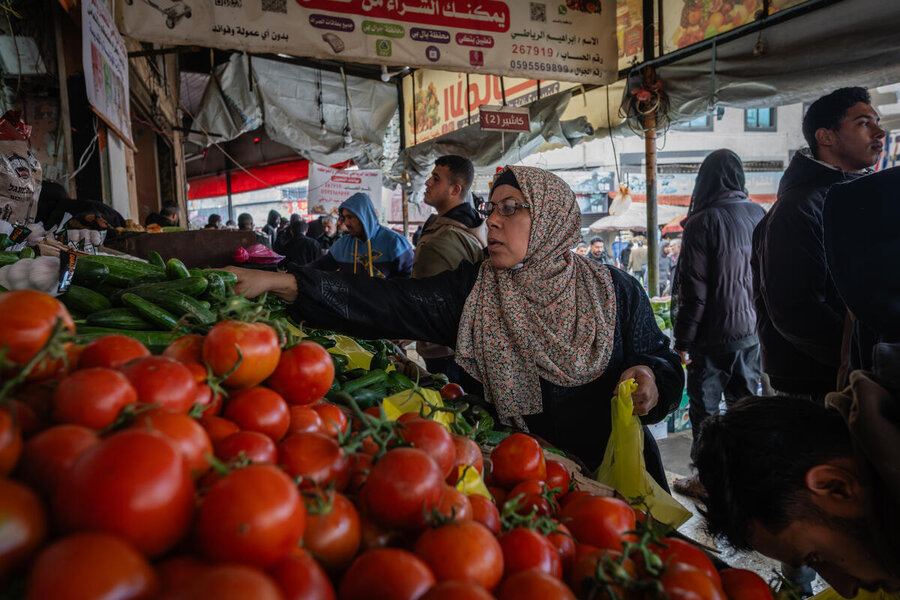
Even air transport is heavily disrupted on the usual routes. We didn’t expect to have this scale of airport closures. We are used to one or two countries closing their airspace but not multiple ones and not major regional hubs, like Dubai and Doha. The crisis is also causing a spike in global food prices, which is a serious problem for vulnerable populations and pushes more people into food insecurity. This brings to memory the global food crisis of 2022 following COVID-19 and the start of the war in Ukraine.
What initial steps do you need to take in a crisis of this scale?
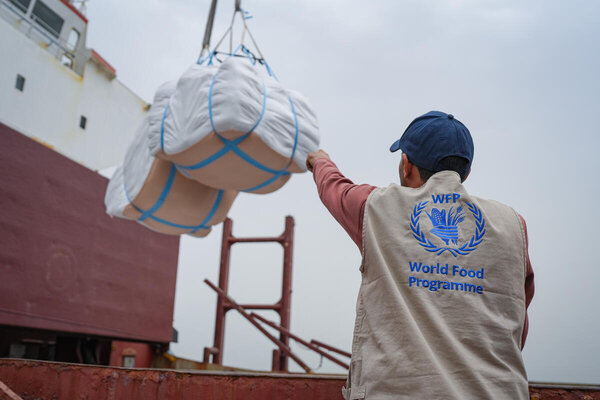
On day one, a group of WFP supply chain experts began working out how to move highly nutritious food — critical in an emergency, especially for children in life-threatening situations — from Europe to Afghanistan without passing through Iran, our traditional corridor. It is like a riddle you have to solve. We can’t go through the Suez Canal, we can’t go around the Cape of Good Hope [off South Africa] as this adds on an extra 20 days or so that we just don’t have. So we analysed different routes using sea, river, road, ferry, rail and truck, and designed routes across the Mediterranean, Black Sea and Caspian Sea to keep nutritious foods moving. The pipeline cannot stop – it just can’t.
How is WFP’s response taking shape after almost a week of the conflict?
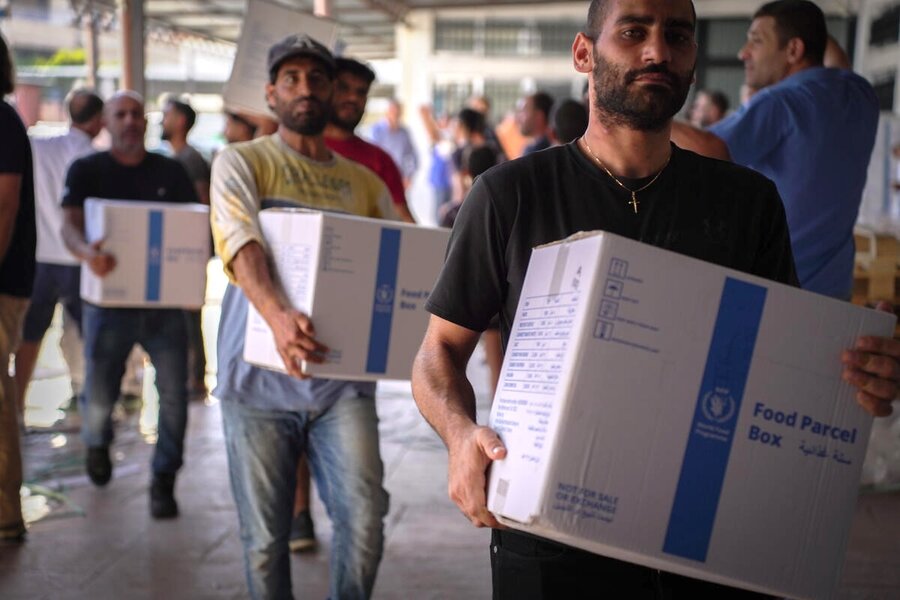
We had emergency response stock ready to go for the region, based in Türkiye where we have a huge number of suppliers. We sent 25,000 ready-to-eat parcels to Lebanon within 72 hours. One parcel will feed a family for two weeks. We are scaling up our operations in Syria and monitoring border movements from Lebanon, as well as monitoring all borders with Iran, in the event people start to cross and take shelter in Türkiye or Iraq. At the same time, we are working with our partners to find quick alternative routes, using advanced innovative planning tools like PRISMA, SCOUT and Route the Meals.
Why is WFP’s supply chain operation so critical at a time like this?
Our partners, and the people we support, rely on us and trust us. They know if we cannot do it, no one in the humanitarian sector can do it. We’ve focused heavily in recent years on digital planning, stock management, route planning and tracking, all innovations that help us be more efficient and move and deliver food safely and on time – which is obviously essential during emergencies on this scale.
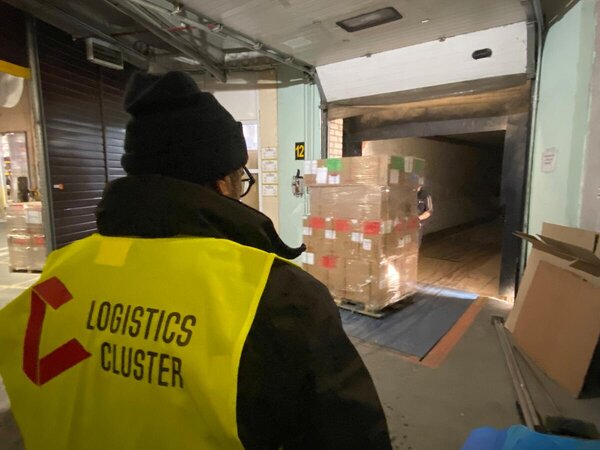
The WFP-led Logistics Cluster sees us coordinate with every humanitarian player on the ground, sharing common logistics facilities, providing services to partners who don’t have capacity and sharing expert guidance. For this response, we are coordinating on behalf of partner organizations, which are sending other critical assistance such as shelter, relief, hygiene kits, and water, sanitation and hygiene items.
How does WFP anticipate and plan for an emergency on this scale?
Preparedness is the first step towards a successful response. We don’t ask if there will be another emergency, but when. Every year, supply chain teams map out roads, ports, airports, and other facilities in countries. The humanitarian community relies on these assessments.
For this emergency, we developed an operational plan six months ago, based on three scenarios in terms of severity. This emergency is at the highest end of that scale. WFP manages an Emergency Preparedness Trust Fund, funded by the European Union. This means we can immediately send food assistance at the onset of an emergency, with the food now on its way to affected populations.
How will WFP adapt its operations if this emergency continues?
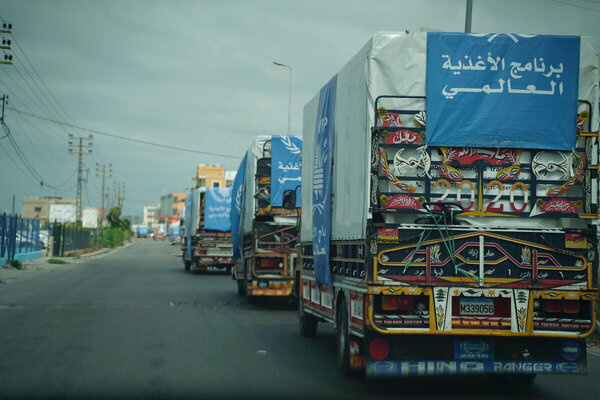
We’ll continue to scale up. Within two weeks we’ll have more warehouses, more routes, more trucks on the road, and start receiving food and possibly being able to give cash or vouchers to people to use in local markets. If needed, we can operate our own flights to reach people via UNHAS [the WFP-managed United Nations Humanitarian Air Service]. We did this during the global COVID-19 response, where all airlines were down and WFP became the biggest one operating. We could have more corridors, more ships, more planes in the air or even trains – we have experience reaching Afghanistan by rail. In the past, trains came. from Turkiye, through Iran and Turkmenistan to Afghanistan. Now we’re looking into a different route where we cross the Caspian Sea and go through the Caucasus.
Where were you when you first heard about the crisis?
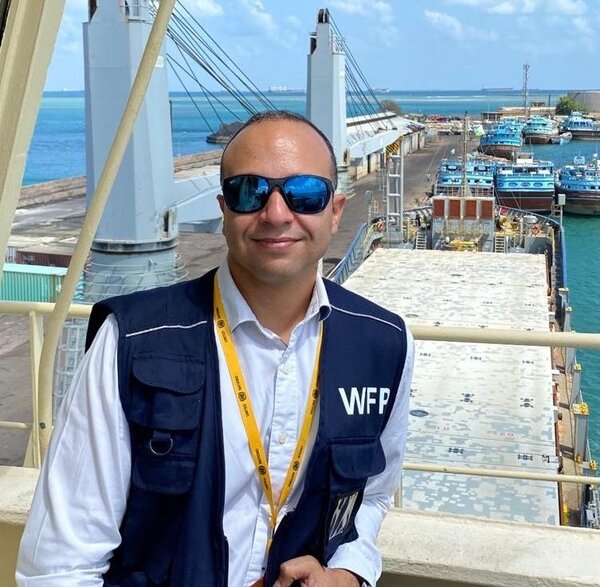
It was a Saturday morning and I was taking my son to his football game in Rome. My phone started pinging. I realized quickly that it wasn’t a normal emergency and wouldn’t be a normal response. From the very start, it escalated very quickly and started having a global effect, which meant that we would need to scale up very quickly and get ahead of the situation. Those first few days of any emergency response are critical to defining how the response will go.
How do you lead calmly when everyone is looking to you for stability?
I have a lot of experience in major emergencies like Ukraine, Palestine and the Türkiye-Syria earthquake response. The experience stays with you and does affect you. In Türkiye, I could see within minutes how people go from living a normal life to needing life-saving assistance. This is where you feel the stress of responding quickly but effectively. Being in panic mode doesn’t help: it means we will not move and won’t make the right decisions. Yes, we make quick decisions, but well-informed ones.
What message do you have for donors and partners?
WFP is fully mobilized but we can do more if we have resources. What we need right now is fast support to keep our supply chain operating as a critical lifeline.