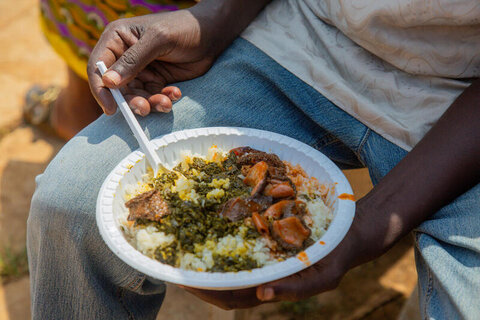
Three months into the deadly Bundibugyo outbreak, the stories of three Congolese in Ebola-affected areas show how the virus is disrupting livelihoods and driving food insecurity – and why WFP food assistance and funding are critical to containing it.
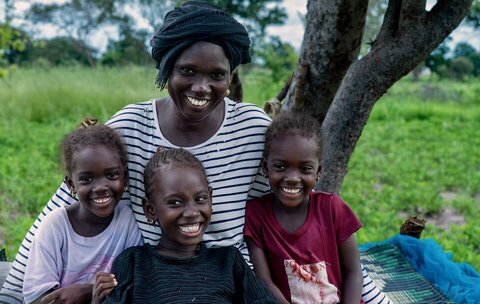
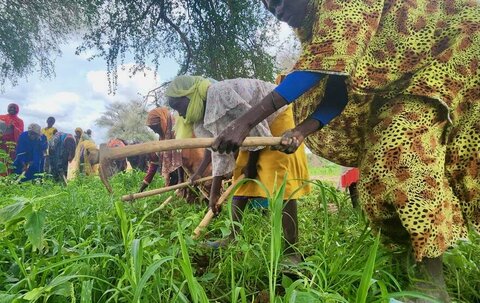
WFP’s community-supported initiative is restoring degraded ecosystems in five sub-Saharan African countries – building food security, incomes and bonds in the process.
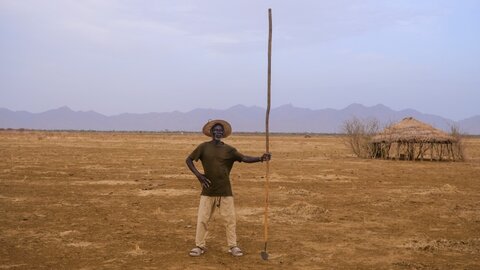
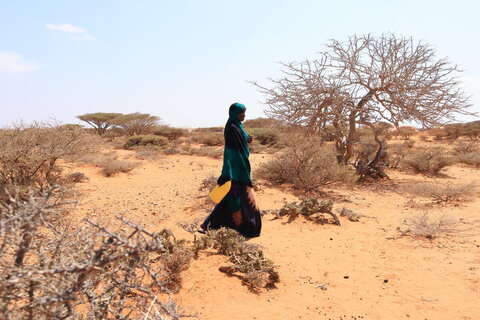
As drought and failed rains drive up hunger in Uganda’s driest region, here's how WFP and Ugandan authorities are building local resilience so families can survive the crisis.
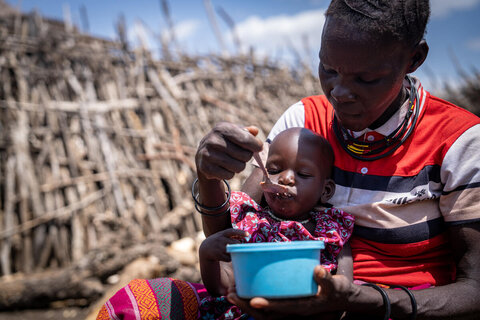
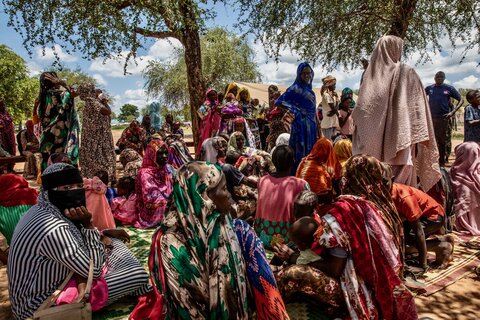
WFP and other humanitarians warn that refugees and asylum seekers in South Sudan, many of them fleeing conflict in neighbouring Sudan, face severe hunger – as shrinking contributions threaten a vital food and nutrition lifeline and threaten progress in building self-reliance.
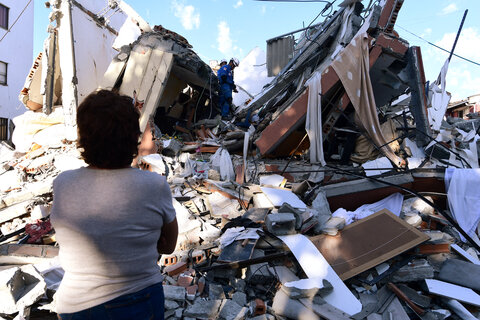
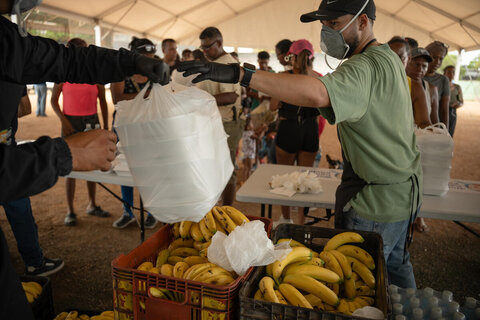
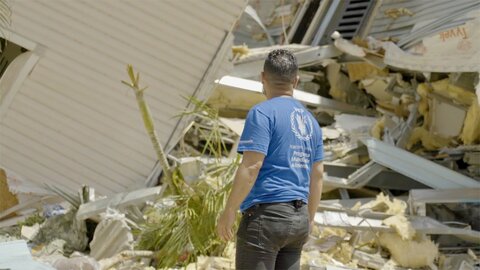
On World Humanitarian Day, WFP's Venezuelan colleagues Sarco Contreras and Blanca Narvaez share how they are supporting quake-hit people with food and empathy – while confronting their own losses.
Learn key facts about the 2026 Ebola outbreak in the Democratic Republic of the Congo (DRC), including how the virus spreads and why it is worsening hunger and food insecurity.
Disaster compounds existing challenges driven by conflict, displacement and food insecurity, with WFP ready to scale up assistance where needs are greatest.
Forecasts suggest one of the strongest El Niño events on record could worsen food insecurity across vulnerable regions. Here's what it means – and how WFP is acting before disaster strikes.
New expert findings show modest food security improvements – thanks to increased access to WFP and other humanitarian aid – which risk unravelling without sustained assistance and investment.
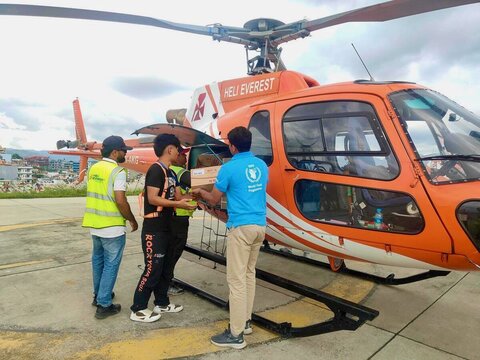
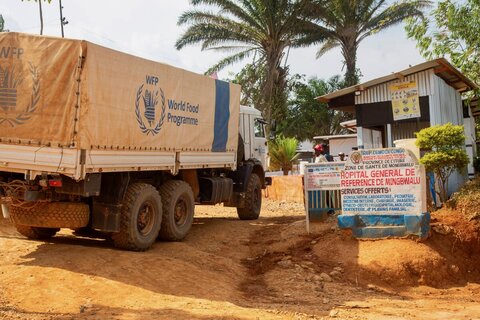
As the Ebola outbreak spreads across eastern Democratic Republic of the Congo, WFP is providing food assistance, nutrition support and logistics services to help vulnerable families and support containment efforts.
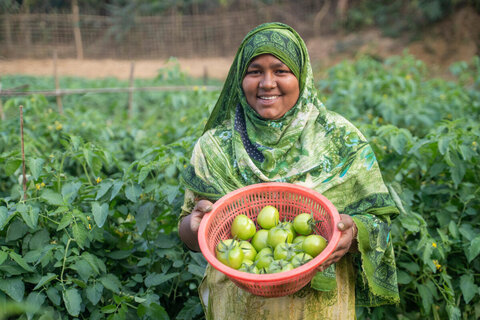
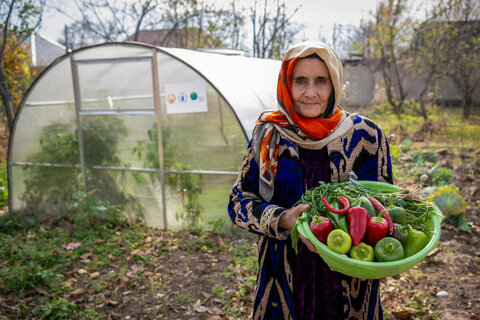
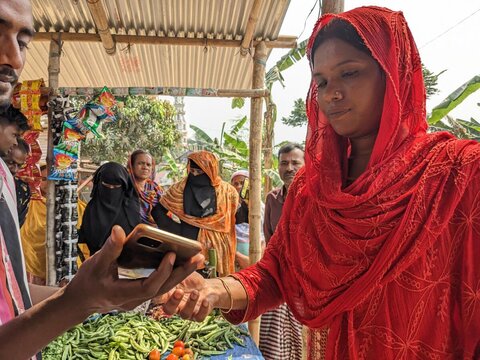
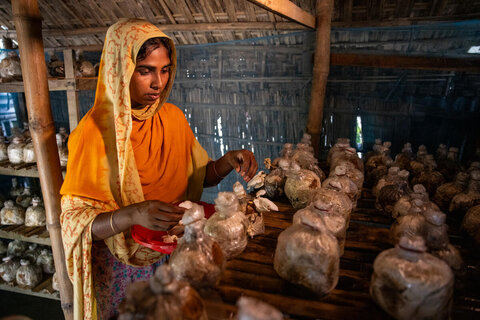
In Bangladesh's flood-prone Kurigram district, a WFP resilience programme – which includes growing once-disparaged 'frogs' umbrellas' mushrooms – helps women fight hunger and malnutrition, and build futures.
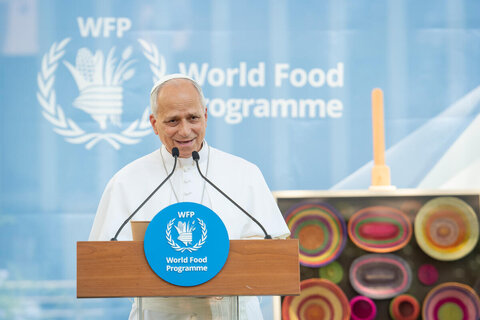
Pope Leo XIV urged action on hunger, calling food a fundamental human right and warning conflict is driving food insecurity worldwide, during a visit to WFP headquarters in Rome.
For World Refugee Day on 20 June, the World Food Programme (WFP) highlights how refugees across Africa are using farming and agricultural programmes to tackle hunger, build food security and self-reliance, and strengthen bonds with host communities.
Haiti is facing one of the world’s most severe hunger crises, with millions unable to access enough food. Here, the World Food Programme's outgoing Country Director Wanja Kaaria shares frontline insights on food insecurity in the country, the challenges facing humanitarian operations, and what gives her hope amid escalating violence and displacement.