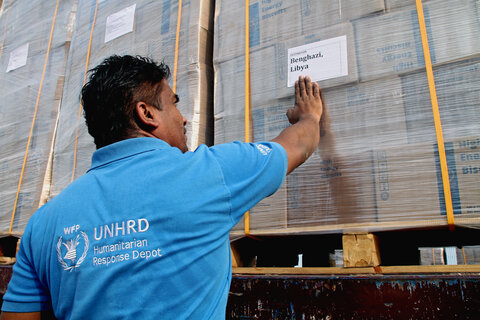
As the conflict upends shipping routes and supply chains, staff at the UN Humanitarian Response Depot are working to secure new corridors to transport life-saving food and other aid to vulnerable people.
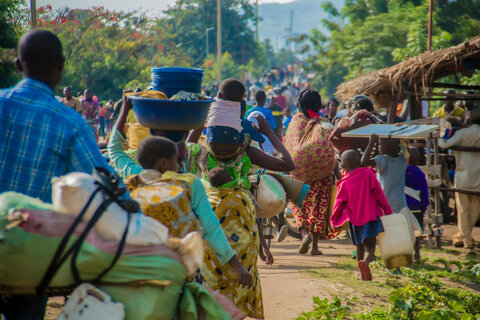
The East African nation has long offered asylum to some of the continent’s most vulnerable people. But steep cuts in humanitarian assistance are increasing food insecurity for Uganda’s nearly 2 million refugees and threatening to reverse progress in building long-term resilience
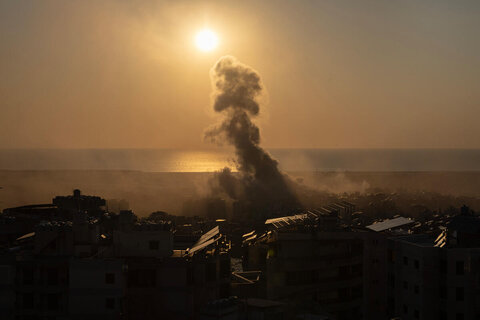
As violence escalates, displacement, rising prices and disrupted food systems are pushing families closer towards hunger in the region and far beyond. This explainer provides a lowdown on the crisis and its devastating ripple effects.
Our Ghana Communications Officer, Abdul-Wahab Mohammed, describes growing up on hearty WFP meals – and how they can transform communities and forge a new generation of leaders
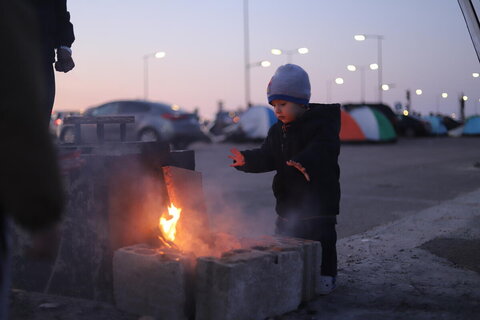
In Lebanon, Syria, Iran and beyond, WFP is reaching the most vulnerable people – but supply chain bottlenecks risk roiling economies, threatening food security and jeopardizing humanitarian operations
Four years ago, donor mobilization and a massive humanitarian scale-up by WFP and partners averted famine in Somalia. Now, as needs soar, funds dry up and a drought grips the Horn of Africa nation, the race is on to stop another hunger catastrophe
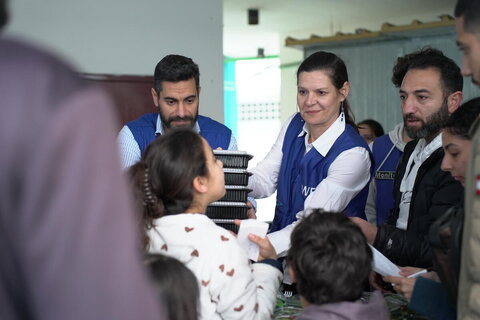
As conflict in the Middle East escalates, the World Food Programme (WFP) is mobilizing one of its most complex emergency responses in years, including on behalf of the wider humanitarian community. We spoke to Ayman Soweilam in Cairo, Head of Field Support, about how WFP is ensuring urgently needed food keeps moving despite hugely disrupted supply chains, and how the agency was well prepared for an emergency on this scale.
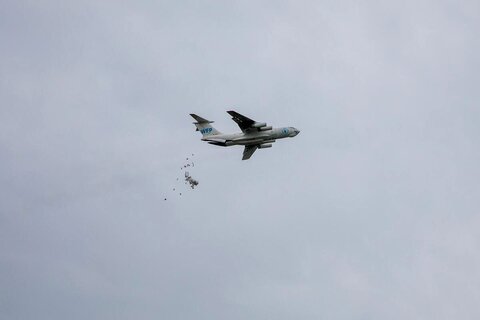
In the most inaccessible, conflict-torn places, World Food Programme airdrops and the UN Humanitarian Air Service are often the only ways to reach desperate communities - as WFP's Aviation External Relations lead Hedley Tah recently witnessed first-hand.
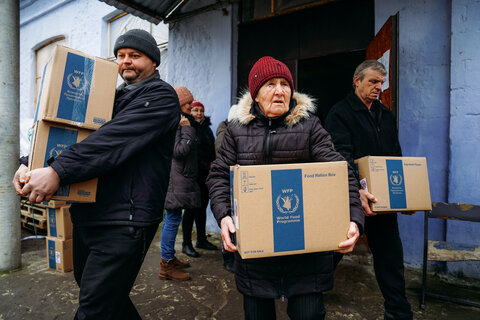
Four years into the war, families on Ukraine’s frontlines face relentless danger and rising hardship. With incomes gone and shops destroyed, many rely on critical support to make it through each day.
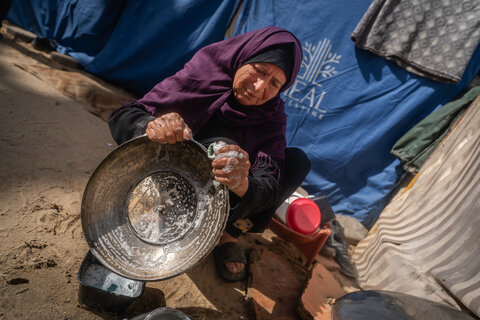
Ramadan traditions persist even in the harshest environments. From hot meals in Gaza to food staples in Afghanistan and income support in the Central African Republic, WFP helps families uphold faith and dignity during the Muslim month of fasting, despite a backdrop of crisis.
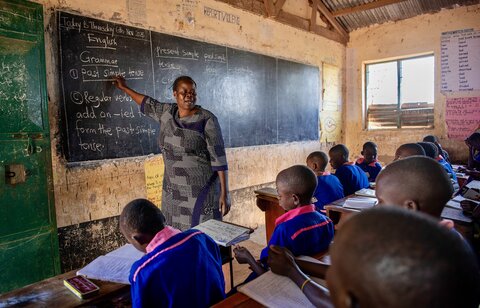
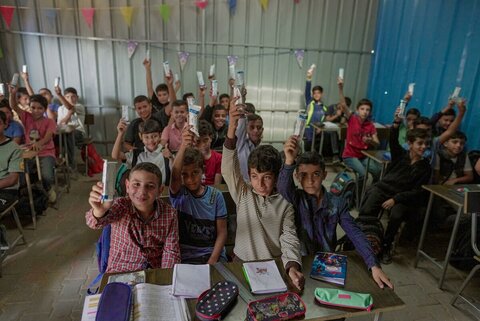
Dalia Al Bardweel, working for WFP on nutrition and school-based programmes, reflects on a special moment caught on camera back in October 2025, while describing the vital role that school meals can play in supporting Gaza’s recovery. She also discusses her own experiences of the war and her hopes for the future.
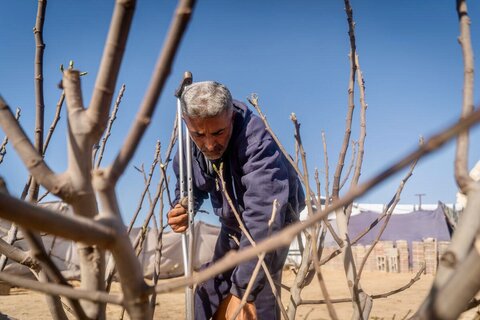
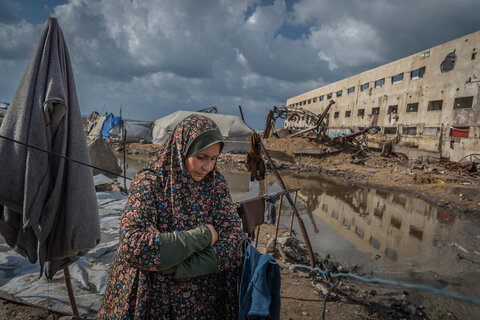
Over 100 days into the ceasefire, WFP has significantly expanded operations and helped to push back famine - even as farmers like Isa Shamallah slowly reclaim devastated farmland, hoping to produce food again, despite limited resources and ongoing insecurity
In this second part of our series on the difference that adequate funding could make to WFP’s work in turning the tide on hunger and building stability, WFP Country Directors in Haiti and Somalia describe how previous investment made a telling difference and how proper resourcing is also cost-efficient.
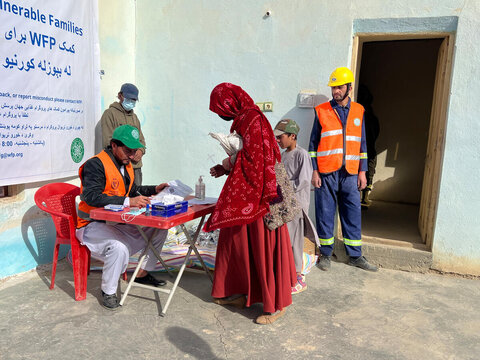
‘This is the Afghan people’s hour of greatest need,’ the World Food Programme’s Country Director warns, as one in three people suffers from acute hunger